
क्या होगा यदि आप आज जो खाना खाते हैं वह यह तय कर सके कि आपको कल मधुमेह होगा या नहीं?
वैश्विक स्वास्थ्य रिपोर्टों के अनुसार, दुनिया भर में 530 मिलियन से अधिक लोग मधुमेह से पीड़ित हैं, और लाखों अन्य जीवनशैली की आदतों के कारण जोखिम में हैं। मधुमेह को रोकने के लिए सबसे शक्तिशाली उपकरणों में से एक आहार है। आप हर दिन जो खाद्य पदार्थ खाते हैं, वे सीधे रक्त शर्करा के स्तर, इंसुलिन संवेदनशीलता और दीर्घकालिक चयापचय स्वास्थ्य को प्रभावित करते हैं।
मधुमेह की रोकथाम के संबंध में अक्सर दो आहारों पर चर्चा की जाती है: पौधे-आधारित आहार और कम-कार्ब आहार। बहुत से लोग जानना चाहते हैं कि कौन सा तरीका अधिक प्रभावी है। क्या आपको कार्बोहाइड्रेट को नाटकीय रूप से कम करना चाहिए, या मधुमेह की रोकथाम के लिए पौधे-आधारित आहार बेहतर रास्ता है?
इस लेख में, हम खोज करेंगे:
- मधुमेह के लिए पौधे-आधारित आहार का वास्तव में क्या मतलब है
- कम-कार्ब आहार रक्त शर्करा को कैसे प्रभावित करते हैं
- दोनों आहारों की तुलना करने वाला शोध
- फाइबर युक्त पौधे-आधारित भोजन के लाभ
- स्वाभाविक रूप से मधुमेह को रोकने के लिए व्यावहारिक सुझाव
इस गाइड के अंत तक, आप समझेंगे कि आहार मधुमेह के जोखिम को कैसे प्रभावित करता है और एक स्वस्थ खाने का तरीका कैसे बनाया जाए।
मधुमेह और रक्त शर्करा को समझना
आहारों की तुलना करने से पहले, यह समझना महत्वपूर्ण है कि मधुमेह कैसे विकसित होता है।
टाइप 2 मधुमेह तब होता है जब शरीर इंसुलिन के प्रति प्रतिरोधी हो जाता है। इंसुलिन वह हार्मोन है जो रक्तप्रवाह से चीनी को शरीर की कोशिकाओं में ले जाने में मदद करता है।
जब इंसुलिन प्रभावी ढंग से काम नहीं करता है:
- रक्त शर्करा का स्तर बढ़ जाता है
- अग्न्याशय अधिक इंसुलिन पैदा करता है
- समय के साथ, चयापचय असंतुलन विकसित होता है
इस प्रक्रिया में आहार एक प्रमुख भूमिका निभाता है। जो खाद्य पदार्थ बार-बार रक्त शर्करा बढ़ाते हैं, वे इंसुलिन प्रतिरोध के जोखिम को बढ़ाते हैं।
यही कारण है कि कई विशेषज्ञ ग्लूकोज के स्तर को नियंत्रित करने में मदद करने के लिए पौधे-आधारित भोजन या नियंत्रित कार्बोहाइड्रेट सेवन जैसे आहार पैटर्न की सलाह देते हैं।
मधुमेह के लिए पौधे-आधारित आहार क्या है?
मधुमेह के लिए पौधे-आधारित आहार मुख्य रूप से पौधों से प्राप्त खाद्य पदार्थों पर केंद्रित होता है। ये खाद्य पदार्थ फाइबर, विटामिन, खनिज और एंटीऑक्सिडेंट से भरपूर होते हैं।
एक पौधे-आधारित आहार में आमतौर पर शामिल होता है:
- साबुत अनाज
- सब्जियां
- फल
- फलियां
- मेवे और बीज
ये खाद्य पदार्थ न्यूनतम संसाधित होते हैं और स्वाभाविक रूप से स्थिर रक्त शर्करा के स्तर का समर्थन करते हैं।
मधुमेह के लिए पौधे-आधारित आहार का पालन करने वाले कई लोग परिष्कृत या प्रसंस्कृत उत्पादों के बजाय साबुत, पोषक तत्वों से भरपूर खाद्य पदार्थों पर ध्यान केंद्रित करते हैं।
संतुलित पौधे-आधारित भोजन ग्लूकोज चयापचय को नियंत्रित करने में मदद करते हुए ऊर्जा प्रदान करते हैं।
कम-कार्ब आहार क्या है?
कम-कार्ब आहार रक्त शर्करा के बढ़ने को सीमित करने के लिए कार्बोहाइड्रेट के सेवन को कम करता है।
इन आहारों में आमतौर पर ऐसे खाद्य पदार्थ सीमित होते हैं जैसे:
- अनाज
- मीठे खाद्य पदार्थ
- स्टार्च वाली सब्जियां
इसके बजाय, कम-कार्ब आहार इस पर जोर देते हैं:
- प्रोटीन
- स्वस्थ वसा
- कम-कार्ब सब्जियां
कम-कार्ब खाने के पीछे का विचार सरल है: यदि आप कार्बोहाइड्रेट कम करते हैं, तो शरीर कम ग्लूकोज पैदा करता है, जो रक्त शर्करा के स्तर को नियंत्रित करने में मदद कर सकता है।
जबकि यह तरीका कुछ व्यक्तियों को ग्लूकोज के स्तर को प्रबंधित करने में मदद कर सकता है, कठोर कार्बोहाइड्रेट प्रतिबंध को कभी-कभी लंबे समय तक बनाए रखना मुश्किल हो सकता है।
पौधे-आधारित और कम-कार्ब आहारों की तुलना करने वाला शोध
कई अध्ययनों ने पता लगाया है कि ये आहार मधुमेह के जोखिम को कैसे प्रभावित करते हैं।
नेचर मेडिसिन और डायबिटीज केयर जैसे जर्नलों में प्रकाशित शोध से पता चलता है कि जो व्यक्ति नियमित रूप से पौधे-आधारित भोजन का सेवन करते हैं, उनमें टाइप 2 मधुमेह विकसित होने का जोखिम कम होता है।
ये अध्ययन बताते हैं कि साबुत पौधे-आधारित खाद्य पदार्थों से भरपूर आहार इंसुलिन संवेदनशीलता में सुधार करते हैं और सूजन को कम करते हैं।
पौधे-आधारित आहारों में अक्सर शामिल होता है:
- उच्च फाइबर स्तर
- अधिक एंटीऑक्सिडेंट
- कम संतृप्त वसा
कम-कार्ब आहार अल्पकालिक रूप से रक्त शर्करा को कम करने में मदद कर सकते हैं। हालांकि, पौधे-आधारित आहार व्यापक दीर्घकालिक लाभ प्रदान कर सकते हैं क्योंकि वे हृदय स्वास्थ्य, वजन प्रबंधन और चयापचय संतुलन का समर्थन करते हैं।
यही कारण है कि कई पोषण विशेषज्ञ मधुमेह की रोकथाम के लिए पौधे-आधारित आहार की सलाह देते हैं।
पौधे-आधारित आहार मधुमेह को रोकने में क्यों मदद कर सकते हैं
कई कारण हैं कि मधुमेह के लिए पौधे-आधारित आहार चयापचय स्वास्थ्य का समर्थन क्यों कर सकता है।
1. उच्च फाइबर सामग्री
फाइबर रक्तप्रवाह में ग्लूकोज के अवशोषण को धीमा कर देता है।
जब आप फाइबर युक्त खाद्य पदार्थ खाते हैं, तो रक्त शर्करा अचानक बढ़ने के बजाय धीरे-धीरे बढ़ता है।
कई पौधे-आधारित भोजन में स्वाभाविक रूप से उच्च स्तर का आहार फाइबर होता है।
उदाहरणों में शामिल हैं:
फाइबर रक्त शर्करा के बढ़ने को रोकने के लिए सबसे शक्तिशाली पोषक तत्वों में से एक है।
2. कम ग्लाइसेमिक प्रभाव
साबुत पौधे-आधारित खाद्य पदार्थों में अक्सर कम ग्लाइसेमिक इंडेक्स होता है।
इसका मतलब है कि वे ग्लूकोज को धीरे-धीरे रक्तप्रवाह में छोड़ते हैं।
मधुमेह के लिए एक संतुलित पौधे-आधारित आहार स्थिर ऊर्जा स्तर बनाए रखने और अचानक ग्लूकोज बढ़ने से रोकने में मदद करता है।
3. एंटीऑक्सिडेंट से भरपूर
पौधे-आधारित खाद्य पदार्थों में एंटीऑक्सिडेंट होते हैं जो कोशिकाओं को ऑक्सीडेटिव तनाव से बचाते हैं।
पुरानी सूजन इंसुलिन प्रतिरोध से निकटता से जुड़ी हुई है।
एंटीऑक्सिडेंट युक्त पौधे-आधारित भोजन सूजन को कम करने और चयापचय स्वास्थ्य का समर्थन करने में मदद करते हैं।
4. स्वस्थ वजन का समर्थन करता है
अतिरिक्त शरीर का वजन टाइप 2 मधुमेह के प्रमुख जोखिम कारकों में से एक है।
पौधे-आधारित आहार अक्सर स्वाभाविक रूप से कैलोरी में कम होते हैं जबकि उच्च पोषण मूल्य प्रदान करते हैं।
कई लोगों को मधुमेह के लिए पौधे-आधारित आहार का पालन करते समय स्वस्थ वजन बनाए रखना आसान लगता है।
मधुमेह की रोकथाम के लिए पौधे-आधारित भोजन के उदाहरण
स्वस्थ पौधे-आधारित भोजन सरल, संतोषजनक और संतुलित हो सकता है।
यहां कुछ उदाहरण दिए गए हैं:
नाश्ता
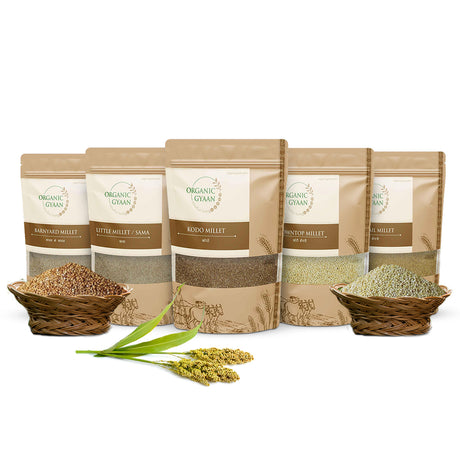
मेवे और बीज के साथ बाजरे का दलिया
दोपहर का भोजन
सब्जी करी और दाल के साथ फॉक्सटेल बाजरा
रात का खाना
मौसमी सब्जियों के साथ बार्नयार्ड बाजरे की खिचड़ी
नाश्ता
बादाम या भुने हुए बीज के साथ ताजे फल
साबुत पौधे-आधारित खाद्य पदार्थों के आसपास बने भोजन स्थिर रक्त शर्करा और निरंतर ऊर्जा का समर्थन करते हैं।
मधुमेह की रोकथाम के लिए सर्वश्रेष्ठ पौधे-आधारित खाद्य पदार्थ
कुछ पौधे-आधारित खाद्य पदार्थ मधुमेह के लिए पौधे-आधारित आहार में विशेष रूप से सहायक होते हैं।
1. बाजरा
बाजरा जैसे:
फाइबर में उच्च होते हैं और रक्त शर्करा के स्तर को नियंत्रित करने में मदद करते हैं।
पत्थर से पीसे गए बाजरा प्राकृतिक पोषक तत्वों को बनाए रखते हैं और संतुलित पाचन का समर्थन करते हैं।
2. पत्तेदार साग
पालक, मेथी के पत्ते और सरसों का साग जैसी सब्जियां विटामिन, खनिज और एंटीऑक्सिडेंट प्रदान करती हैं जो चयापचय स्वास्थ्य का समर्थन करते हैं।
3. फलियां
दालें, चना और सेम पौधे प्रोटीन और फाइबर प्रदान करते हैं जो रक्त शर्करा को स्थिर करने में मदद करते हैं।
4. मेवे और बीज
बादाम, अखरोट, अलसी और चिया बीज स्वस्थ वसा प्रदान करते हैं और ऊर्जा संतुलन बनाए रखने में मदद करते हैं।
प्राकृतिक सामग्री जो चयापचय स्वास्थ्य का समर्थन करती है
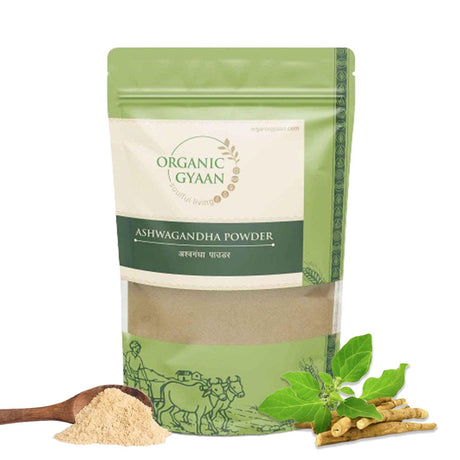
ग्लूकोज संतुलन का समर्थन करने के लिए कुछ पारंपरिक सामग्री का अक्सर उपयोग किया जाता है।
उदाहरणों में शामिल हैं:
ये सामग्री आमतौर पर पारंपरिक कल्याण दिनचर्या में शामिल होती हैं।
एक विचारपूर्वक तैयार किया गया मधुमेह कल्याण बास्केट स्वस्थ जीवन शैली की आदतों के साथ मिलकर चयापचय अनुशासन का समर्थन करने के लिए ऐसी प्राकृतिक सामग्री को जोड़ता है।
मधुमेह की रोकथाम के लिए व्यावहारिक सुझाव
मधुमेह को रोकने में लगातार दैनिक आदतें शामिल हैं।
इन पर ध्यान दें:
- साबुत, न्यूनतम प्रसंस्कृत खाद्य पदार्थ खाना
- फाइबर युक्त अनाज और सब्जियां शामिल करना
- नियमित शारीरिक गतिविधि बनाए रखना
- तनाव और नींद के पैटर्न का प्रबंधन करना
- संतुलित पौधे-आधारित भोजन बनाना
छोटे जीवनशैली में सुधार से मधुमेह का खतरा काफी कम हो सकता है।
अक्सर पूछे जाने वाले प्रश्न
1. क्या मधुमेह की रोकथाम के लिए पौधे-आधारित आहार प्रभावी है?
हाँ। शोध से पता चलता है कि मधुमेह के लिए पौधे-आधारित आहार इंसुलिन संवेदनशीलता में सुधार कर सकता है और रक्त शर्करा के स्तर को स्थिर बनाए रखने में मदद कर सकता है।
2. क्या पौधे-आधारित भोजन रक्त शर्करा नियंत्रण के लिए अच्छा है?
हाँ। कई पौधे-आधारित भोजन में फाइबर और पोषक तत्व होते हैं जो ग्लूकोज अवशोषण को धीमा करते हैं।
3. क्या मधुमेह की रोकथाम के लिए कम-कार्ब आहार पौधे-आधारित से बेहतर है?
कम-कार्ब आहार अस्थायी रूप से रक्त शर्करा के बढ़ने को कम कर सकते हैं, लेकिन पौधे-आधारित आहार अक्सर व्यापक दीर्घकालिक स्वास्थ्य लाभ प्रदान करते हैं।
मुख्य निष्कर्ष
- आहार मधुमेह की रोकथाम में एक प्रमुख भूमिका निभाता है।
- मधुमेह के लिए पौधे-आधारित आहार साबुत, फाइबर युक्त खाद्य पदार्थों पर केंद्रित होता है।
- संतुलित पौधे-आधारित भोजन स्थिर रक्त शर्करा के स्तर का समर्थन करते हैं।
- कम-कार्ब आहार अल्पकालिक ग्लूकोज नियंत्रण में मदद कर सकते हैं लेकिन लंबे समय तक बनाए रखना कठिन हो सकता है।
- साबुत खाद्य पदार्थ, शारीरिक गतिविधि और लगातार आदतें चयापचय स्वास्थ्य का समर्थन करती हैं।
निष्कर्ष
पौधे-आधारित और कम-कार्ब आहार दोनों का उद्देश्य रक्त शर्करा नियंत्रण में सुधार करना है, लेकिन शोध से पता चलता है कि मधुमेह के लिए एक संतुलित पौधे-आधारित आहार दीर्घकालिक चयापचय लाभ प्रदान कर सकता है। फाइबर युक्त अनाज, सब्जियां, फलियां, मेवे और बीज पर ध्यान केंद्रित करके, पौधे-आधारित खाने के पैटर्न इंसुलिन संवेदनशीलता और स्थिर ग्लूकोज स्तर का समर्थन करते हैं।
पौष्टिक पौधे-आधारित भोजन शामिल करना, एक सक्रिय जीवन शैली बनाए रखना और एक विचारपूर्वक डिज़ाइन किए गए मधुमेह कल्याण बास्केट से प्राकृतिक सामग्री के साथ अपनी दिनचर्या का समर्थन करना मधुमेह की रोकथाम के लिए एक स्थायी दृष्टिकोण बनाने में मदद कर सकता है।
यदि इस गाइड ने आपको यह समझने में मदद की है कि आहार मधुमेह के जोखिम को कैसे प्रभावित कर सकता है, तो इसे किसी ऐसे व्यक्ति के साथ साझा करने पर विचार करें जो स्वस्थ खाने की आदतें बनाना चाहता है और अपने चयापचय स्वास्थ्य की रक्षा करना चाहता है।