
You look at the number on your glucose meter and wonder: is this okay? Is this too high? Should I be worried?
Most people have been in that moment - staring at a reading with no clear idea what it means. A 110 before breakfast. A 162 after dinner. A 7.2% on the HbA1c report. Are these numbers good? Bad? Somewhere in between?
Here is something that surprises many people: there is actually no single universal "normal blood sugar level" that applies to everyone. According to the World Health Organization (WHO) and the American Diabetes Association (ADA), there are target ranges - not fixed numbers - and what is considered appropriate depends on whether you have diabetes, whether you are fasting or just ate, your age, your pregnancy status, and several other individual factors.
Understanding your normal blood sugar level is genuinely one of the most empowering things you can do for your health. When you know what the numbers mean, you stop feeling anxious every time you test. You know when to act, when to relax, and when to call your doctor. You become an informed participant in your own health - not just a bystander watching numbers change.
In this guide, you will get a clear, simple explanation of what normal blood sugar levels are for different situations and different people, what numbers indicate prediabetes or diabetes, how HbA1c fits into the picture, what raises or lowers blood sugar naturally, and how Ayurvedic herbal support can help you stay in a healthy blood sugar range every day.
What Does "Blood Sugar" Actually Mean?
Before the numbers, a quick explanation of what we are actually measuring.
Blood sugar - also called blood glucose - is the amount of glucose (a simple sugar) circulating in your bloodstream at any given moment. Glucose comes from the food you eat, particularly carbohydrates. After digestion, it enters your blood, and insulin - a hormone produced by your pancreas - helps it move from the blood into your cells, where it is burned for energy.
When you check blood glucose, results are reported as milligrams per deciliter (mg/dL) or millimoles per litre (mmol/L). These are simply units of measurement - like centimetres or kilograms - for the concentration of glucose in your blood. To convert mg/dL to mmol/L, divide the mg/dL number by 18.
Blood sugar naturally rises and falls throughout the day. It goes up after eating, comes down as insulin does its job, drops slightly during sleep and exercise, and rises again with stress or illness. Understanding what a normal range of blood sugar looks like at each point in the day is what allows you to interpret your readings accurately.
Normal Blood Sugar Levels: The Numbers You Need to Know
Fasting Blood Sugar (Before Eating - After 8 Hours Without Food)
The fasting blood glucose test is the most commonly used measurement. It tells you what your blood sugar is doing in its resting state - when your last meal has been fully processed and no new glucose is coming in.
According to the American Diabetes Association, a fasting plasma glucose level below 100 mg/dL (5.6 mmol/L) is considered normal.
Here is the full picture for fasting blood sugar:
- Below 100 mg/dL (5.6 mmol/L) - Normal. Your fasting blood sugar is in the healthy range.
- 100 to 125 mg/dL (5.6 to 6.9 mmol/L) - Prediabetes (Impaired Fasting Glucose). Your blood sugar is elevated but not yet at diabetes level. This is a warning sign and an opportunity to act.
- 126 mg/dL (7.0 mmol/L) or above on two separate tests - Diabetes. This confirms that fasting blood sugar is consistently elevated to a degree that meets the diagnostic threshold.
Post-Meal Blood Sugar (1 to 2 Hours After Eating)
Your blood sugar naturally rises after eating - this is completely normal. The question is how high it goes and how quickly it comes back down.
The ADA recommends blood sugar less than 180 mg/dL (10.0 mmol/L) at 1 to 2 hours after the start of a meal for people with diabetes.
For people without diabetes, post-meal blood sugar ideally stays below 140 mg/dL (7.8 mmol/L) and returns to baseline within 2 hours.
Here is a simple reference:
- Below 140 mg/dL (7.8 mmol/L) - Normal for most people without diabetes at 2 hours after eating.
- 140 to 199 mg/dL (7.8 to 11.0 mmol/L) - Elevated. For people without diabetes, this suggests impaired glucose tolerance (prediabetes). For people with diabetes, it is above the ideal target.
- 200 mg/dL (11.1 mmol/L) or above - Significantly elevated. Confirms diabetes if seen with symptoms, or requires follow-up testing.
Post-meal glucose rises are influenced by the type and quantity of carbohydrates eaten, glycaemic index, portion size, medication timing, physical activity level, stress, illness, and sleep quality.
Random Blood Sugar (At Any Time of Day)
A random blood glucose test - taken without regard to when you last ate - is used when symptoms of diabetes are present and a quick answer is needed.
A random blood sugar of 200 mg/dL (11.1 mmol/L) or above, together with symptoms like excessive thirst, frequent urination, or unexplained weight loss, is diagnostic of diabetes.
HbA1c - The Big Picture of Your Blood Sugar
While daily glucose readings give you a snapshot, HbA1c (glycated haemoglobin) gives you the whole album.
The A1C test - also called HbA1c, haemoglobin A1C, or glycated haemoglobin - measures average blood glucose over the past 2 to 3 months. No fasting is required.
Think of HbA1c as your blood sugar's report card for the past 3 months. It does not care about one good day or one bad day - it reflects your overall pattern. This is why it is the primary test doctors use for both diagnosing diabetes and monitoring long-term blood sugar control.
Here are the HbA1c ranges you need to know:
- Below 5.7% - Normal. Your average blood sugar has been in the healthy range.
- 5.7% to 6.4% - Prediabetes. Your average is elevated - a serious signal to make changes now.
- 6.5% or above on two separate tests - Diabetes diagnosis confirmed.
For people already diagnosed with diabetes, the ADA's 2025 guidelines recommend:
- Below 7% for most adults - to prevent long-term complications.
- Below 6.5% for younger adults without significant complications or hypoglycaemia risk.
- 7% to 7.5% for older adults in generally good health.
- Slightly higher targets for older adults with multiple health conditions, frailty, or high hypoglycaemia risk.
The 2025 ADA guidelines reaffirm that HbA1c targets should be individualised, emphasising care that balances benefits and hypoglycaemia risk.
This is an important point: your HbA1c target should be set by you and your doctor together - not copied from a general guideline. Your personal health situation, age, medications, and lifestyle all matter.
Normal Blood Sugar Levels for Different Groups
The normal range of blood sugar is not identical for everyone. Here is how it differs across different groups:
1. Children and Adolescents
Children with diabetes have the same diagnostic thresholds as adults - but their target ranges may be slightly less strict to reduce the risk of dangerous hypoglycaemia, which children are particularly vulnerable to. The ADA recommends an HbA1c goal below 6.5% for young people with Type 1 diabetes where achievable without significant low blood sugar risk.
2. Pregnant Women
Pregnancy creates special blood sugar considerations. Gestational diabetes is diagnosed when blood sugar during pregnancy rises above safe thresholds. Blood sugar targets during pregnancy are tighter than for non-pregnant adults - typically fasting below 95 mg/dL and 2-hour post-meal below 120 mg/dL - because uncontrolled blood sugar during pregnancy poses risks to both mother and baby.
3. Older Adults (Over 65)
For older adults, the risks of hypoglycaemia - low blood sugar - become more serious and harder to recognise. Tight blood sugar control that is appropriate for a 40-year-old may not be appropriate for a 75-year-old with multiple health conditions. HbA1c targets of 7% to 7.5% are generally acceptable for healthy older adults, with higher targets considered appropriate for those with frailty or cognitive changes.
What Causes Blood Sugar to Go Too High or Too Low?
Understanding what moves your blood sugar helps you take practical, informed control.
Things that raise blood sugar levels:
- Eating refined carbohydrates - white rice, maida, bread, sugary drinks
- Being physically inactive
- Chronic stress and elevated cortisol
- Poor sleep or sleep deprivation
- Illness or infection
- Skipping diabetes medication
- Certain medications (steroids, some blood pressure drugs)
Things that lower blood sugar levels:
- Exercise and physical activity
- Eating low-glycaemic foods high in fibre
- Diabetes medications and insulin
- Weight loss
- Adequate sleep and stress management
- Ayurvedic herbs that support insulin sensitivity
What Is "Time in Range" and Why Does It Matter?
A relatively newer concept in blood sugar management - increasingly used alongside HbA1c - is "Time in Range" (TIR). This measures what percentage of the day your blood sugar spends within a target range (typically 70 to 180 mg/dL for most people with diabetes).
More advanced diabetes technology like a continuous glucose monitor (CGM) may also be a discussion point with a doctor to achieve ideal glucose levels and a healthy time-in-range. Current guidelines suggest aiming for at least 70% time in range (17+ hours out of every 24), with less than 4% of readings below 70 mg/dL (low blood sugar) and less than 25% above 180 mg/dL.
TIR adds nuance that HbA1c misses. Two people can have the same HbA1c of 7% - one because they consistently stay in range, and another because their blood sugar swings wildly between highs and lows that average out to 7%. The stable one is in much better health.
8 Practical Ways to Keep Your Blood Sugar in the Normal Range
1. Choose low-glycaemic carbohydrates
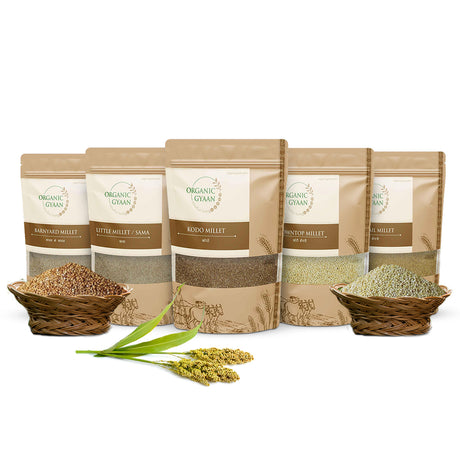
Replace white rice and refined flour with Siridhanya Millets - foxtail, barnyard, little, kodo, and browntop - for slow, steady glucose release that keeps post-meal blood sugar closer to the normal blood sugar level range.
2. Fill half your plate with vegetables
Non-starchy vegetables are fibre-rich, blood-sugar-friendly, and filling. They slow glucose absorption from the rest of your meal and keep readings more stable.
3. Include protein and healthy fat with every carbohydrate
Dal, curd, paneer, and nuts all slow glucose absorption when eaten alongside carbohydrates - reducing the post-meal spike that pushes blood sugar above the normal range.
4. Walk after meals
Even a gentle 10 to 15-minute walk after eating significantly reduces post-meal blood sugar. Muscles absorb glucose actively during movement, naturally bringing blood sugar levels back toward the normal range faster.
5. Manage stress actively
Cortisol from chronic stress directly raises blood sugar. Daily yoga, breathing exercises, nature walks, or Ashwagandha address the stress-blood sugar connection that many people overlook.
6. Sleep 7 to 8 hours every night
Poor sleep raises cortisol, worsens insulin resistance, and elevates HbA1c. Consistent, quality sleep is one of the most underrated tools for maintaining normal blood sugar levels.
7. Test your blood sugar regularly
You cannot manage what you do not measure. Testing fasting blood sugar in the morning and post-meal blood sugar 2 hours after eating gives you the real-time feedback needed to understand how your food, activity, and lifestyle affect your readings.
8. Add Ayurvedic herbal blood sugar support to your daily routine
Several natural herbs directly improve insulin sensitivity, slow glucose absorption, and reduce the chronic inflammation that pushes blood sugar above the normal range.
Ayurvedic Herbs to Help Keep Blood Sugar in the Normal Range
Maintaining a normal blood sugar level naturally is about improving how your body makes and uses insulin - and reducing the inflammation, stress, and dietary glucose load that push readings higher.
1. Karela Powder (Bitter Gourd)
Karela's natural compounds - charantin and polypeptide-p - directly improve how cells respond to insulin and help reduce fasting blood sugar. This is the most fundamental herb for supporting normal blood sugar levels naturally. Half a teaspoon in warm water every morning before breakfast - a simple, daily blood sugar ritual.
2. Jamun Seed Powder
Jamun's jamboline and jambosine slow post-meal glucose absorption - keeping the rise after eating within the normal range of blood sugar rather than spiking into the elevated zone. Stir into warm water each morning.
3. Fenugreek Seeds (Methi)
Fenugreek's soluble fibre slows carbohydrate digestion and reduces post-meal glucose peaks. Consistent fenugreek use has been shown in multiple clinical studies to reduce both fasting blood sugar and HbA1c - helping shift blood sugar toward the normal range over time.
4. Giloy Powder
Chronic inflammation worsens insulin resistance - making it harder to maintain normal blood sugar levels even with a good diet. Giloy reduces this inflammation directly, helping insulin work more effectively in the cells.
5. Ashwagandha Powder
Stress-driven cortisol is one of the most common hidden causes of elevated blood sugar - pushing readings above the normal blood sugar level range despite good dietary habits. Ashwagandha reduces cortisol, improves sleep quality, and supports insulin sensitivity simultaneously.
6. Turmeric Powder (Haldi)
Curcumin's anti-inflammatory properties reduce the systemic inflammation that impairs insulin action. A pinch in warm milk every night is a gentle, cumulative metabolic protection habit that supports the long-term maintenance of healthy blood sugar levels.
7. Neem Powder
Neem improves cellular insulin sensitivity and supports blood purification - helping your body's cells respond more readily to insulin and maintain the glucose absorption that keeps blood sugar in the normal range.
8. Cinnamon Powder (Dalchini)
Cinnamon has documented insulin-sensitising properties - improving insulin receptor activity and reducing fasting blood glucose. A pinch in morning tea or warm water is one of the simplest, most enjoyable daily habits for supporting normal blood sugar levels naturally.
9. Siridhanya Millets (Positive Millets)
Replacing refined grains with Siridhanya Millets is the most impactful single dietary change for keeping post-meal blood sugar within the normal range. Foxtail, barnyard, little, kodo, and browntop millets release energy slowly and steadily, giving insulin time to work and keeping post-meal readings closer to the healthy target.
Please note: These herbs support healthy blood sugar alongside medical care — not instead of it. Always consult your doctor about your personal blood sugar targets and before adding new supplements.
Conclusion
Understanding your normal blood sugar level is not about memorising a single number. It is about understanding a range - a fasting range, a post-meal range, and an HbA1c range - and knowing where you sit within those ranges at any given time.
No magic number exists for "normal" glucose or blood sugar levels. Diabetes is unique to each person, meaning your target blood glucose goals may differ from someone else's based on many factors.
What the numbers do tell you is whether your body is managing glucose effectively, whether you are in the prediabetes zone where action can genuinely reverse the trajectory, or whether your current diabetes management is working well or needs adjustment.
The tools to improve your blood sugar levels are all within reach: Siridhanya Millets at every meal, daily Karela and Jamun water in the morning, Ashwagandha before bed, Turmeric golden milk at night, a 15-minute walk after eating, and 7 to 8 hours of consistent sleep. These are not complicated or expensive interventions. They are the kind of consistent daily choices that genuinely shift your numbers over weeks and months.
Know your readings. Understand what they mean. Take consistent action. And use the right natural support to make that action even more powerful.