क्या आप जानते हैं कि भारत में 10 करोड़ से अधिक लोग मधुमेह या प्रीडायबिटीज से पीड़ित हैं? इतनी अधिक संख्या को देखते हुए, भोजन का हर विकल्प मायने रखता है - खासकर अनाज और कार्बोहाइड्रेट के मामले में। कई लोगों का एक आम सवाल यह होता है: "क्या मक्का मधुमेह रोगियों के लिए अच्छा है?"
भारतीय रसोई में मक्का का व्यापक रूप से उपयोग होता है - चाहे वह भुट्टे के रूप में हो, मक्के के आटे के रूप में हो, या फिर सलाद और चाट में मीठे मक्के के रूप में। लेकिन चूंकि यह हल्का मीठा होता है, इसलिए कई लोग इस बात को लेकर चिंतित रहते हैं कि क्या यह रक्त शर्करा के लिए सुरक्षित है।
इस ब्लॉग में, हम आपके लिए मक्का और मधुमेह के बारे में सारी जानकारी विस्तार से देंगे - मक्का का ग्लाइसेमिक इंडेक्स, और आप अपने स्वास्थ्य को बनाए रखते हुए इस स्वादिष्ट अनाज का आनंद कैसे ले सकते हैं।
क्या मधुमेह रोगियों के लिए मक्का अच्छा है?
जी हां - सीमित मात्रा में। मक्का एक स्टार्चयुक्त सब्जी है, लेकिन इसमें फाइबर, विटामिन और एंटीऑक्सीडेंट भी होते हैं जो कई स्वास्थ्य लाभ प्रदान करते हैं। मुख्य बात है मात्रा को नियंत्रित करना और मक्के को अन्य फाइबर या प्रोटीन युक्त खाद्य पदार्थों के साथ मिलाकर खाना।
मक्के का ग्लाइसेमिक इंडेक्स: आपको क्या जानना चाहिए
ग्लाइसेमिक इंडेक्स (जीआई) यह मापता है कि कोई भोजन कितनी जल्दी रक्त शर्करा का स्तर बढ़ाता है। कम से मध्यम जीआई वाले खाद्य पदार्थ मधुमेह रोगियों के लिए बेहतर होते हैं क्योंकि वे शर्करा को धीरे-धीरे मुक्त करते हैं।
- उबले हुए मक्के का जीआई लगभग 52 से 60 होता है - जिसे मध्यम माना जाता है।
- हालांकि, कॉर्नफ्लेक्स का जीआई लगभग 80 या उससे अधिक होता है - जो बहुत अधिक है और इससे बचना ही बेहतर है।
इसलिए, मक्का को पकाने और खाने का तरीका बहुत मायने रखता है। साबुत, हल्का पका हुआ मक्का, कॉर्न सिरप या फ्लेक्स जैसे प्रोसेस्ड रूपों से बेहतर होता है।
मधुमेह रोगियों के लिए मक्के के स्वास्थ्य लाभ
यहां बताया गया है कि मक्का वास्तव में आपके स्वास्थ्य को बेहतर बनाने में कैसे मदद कर सकता है, यहां तक कि अगर आपको मधुमेह है तो भी:
1. स्थिर ऊर्जा प्रदान करता है
मक्का जटिल कार्बोहाइड्रेट से भरपूर होता है। इन्हें शरीर में पचने में अधिक समय लगता है, जिसका अर्थ है कि ये अचानक शुगर बढ़ने के बजाय ऊर्जा का एक स्थिर स्रोत प्रदान करते हैं। यह उन लोगों के लिए बहुत मददगार है जो दिन भर अपने रक्त शर्करा स्तर को नियंत्रित करने का प्रयास कर रहे हैं।
जब आप मक्का खाते हैं, तो आपको लंबे समय तक पेट भरा हुआ महसूस होता है, और आपकी ऊर्जा अचानक कम नहीं होती - इससे अधिक खाने से बचने और रक्त शर्करा के उतार-चढ़ाव को नियंत्रित करने में मदद मिल सकती है।
2. पाचन में सहायक
मक्के में आहार फाइबर होता है, जो पाचन क्रिया के लिए महत्वपूर्ण है। फाइबर रक्त में शर्करा के अवशोषण को धीमा करता है, जिससे ग्लूकोज का स्तर स्थिर बना रहता है।
नियमित रूप से फाइबर का सेवन आंतों के स्वास्थ्य को भी बेहतर बनाता है और कब्ज जैसी समस्याओं से राहत दिला सकता है - जो मधुमेह रोगियों के लिए एक आम चिंता का विषय है।
3. एंटीऑक्सीडेंट से भरपूर
मक्के में ल्यूटिन और ज़ेक्सैंथिन जैसे एंटीऑक्सीडेंट पाए जाते हैं। ये आपकी आंखों को मधुमेह और बढ़ती उम्र के कारण होने वाले नुकसान से बचाने में मदद करते हैं।
मधुमेह रोगियों में रेटिनोपैथी जैसी आंखों की समस्याओं का खतरा अधिक होता है, और अपने आहार में एंटीऑक्सीडेंट से भरपूर खाद्य पदार्थों को शामिल करने से समय के साथ इस जोखिम को कम करने में मदद मिल सकती है।
4. हृदय स्वास्थ्य को बढ़ावा देता है
मधुमेह रोगियों के लिए हृदय रोग एक बड़ा जोखिम है, लेकिन मक्का में पोटेशियम और मैग्नीशियम जैसे उपयोगी पोषक तत्व पाए जाते हैं।
ये खनिज रक्तचाप को कम करने और रक्त परिसंचरण में सुधार करने में मदद करते हैं। मक्के में मौजूद फाइबर खराब कोलेस्ट्रॉल को कम करने में भी सहायक होता है, जिससे यह हृदय के लिए फायदेमंद अनाज बन जाता है।
5. प्राकृतिक रूप से ग्लूटेन-मुक्त
अगर आप मधुमेह रोगी हैं और ग्लूटेन के प्रति संवेदनशील भी हैं (जैसे कि सीलिएक रोग में), तो मक्का एक बेहतरीन विकल्प है। यह पूरी तरह से ग्लूटेन-मुक्त और बहुमुखी है, जिससे इसे रोटी से लेकर सूप तक, दैनिक भोजन में आसानी से इस्तेमाल किया जा सकता है।
मक्का और मधुमेह: किन चीजों से बचना चाहिए
हालांकि मक्का के कई फायदे हैं, लेकिन इससे बचना महत्वपूर्ण है:
- प्रोसेस्ड कॉर्न स्नैक्स (जैसे कॉर्न चिप्स या फ्राइज़)
- मीठे कॉर्न सिरप या डिब्बाबंद कॉर्न जिसमें चीनी मिलाई गई हो
- कॉर्नफ्लेक्स और फूले हुए कॉर्न सीरियल
इन खाद्य पदार्थों में साधारण कार्बोहाइड्रेट और चीनी की मात्रा अधिक होती है, जिससे रक्त शर्करा का स्तर तेजी से बढ़ सकता है।
मधुमेह रोगियों के लिए मक्का का सुरक्षित सेवन करने के टिप्स
यहां बताया गया है कि आप स्वस्थ और मधुमेह रोगियों के अनुकूल तरीके से मक्का का आनंद कैसे ले सकते हैं:
- प्रसंस्कृत अनाजों के बजाय साबुत मक्का (उबला हुआ या भुना हुआ) का सेवन करें।
- मात्रा को नियंत्रित करें – प्रति भोजन लगभग आधा कप पका हुआ मक्का पर्याप्त है।
- इसे प्रोटीन युक्त खाद्य पदार्थों जैसे दही, पनीर या दाल के साथ मिलाकर सेवन करें ताकि शर्करा का अवशोषण धीमा हो सके।
- अपने कॉर्न व्यंजनों में मक्खन, पनीर या चीनी डालने से बचें।
- पारंपरिक और संतुलित भोजन के लिए पालक के साथ मक्की की रोटी या सरसों का साग जरूर ट्राई करें।
हमारी प्राकृतिक अनुशंसा
क्या आप अपनी जीवनशैली में अधिक प्राकृतिक, मधुमेह-अनुकूल खाद्य पदार्थों को शामिल करना चाहते हैं?
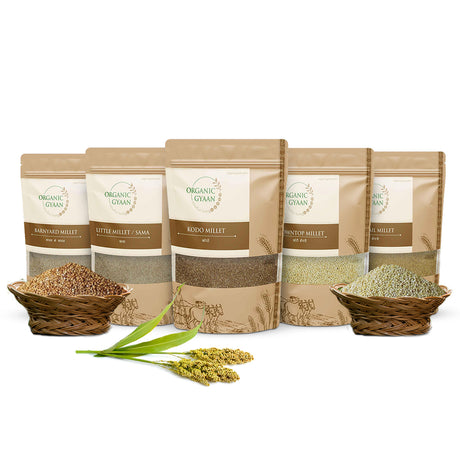
हमारी वेबसाइट पर उपलब्ध प्राकृतिक उपचारों, जैविक अनाजों और शाकाहारी खाद्य उत्पादों की विस्तृत श्रृंखला को आजमाएं। हम केवल स्वच्छ और उच्च गुणवत्ता वाली सामग्री का उपयोग करते हैं - जो संतुलित और समग्र आहार के साथ रक्त शर्करा को नियंत्रित करने के लिए एकदम उपयुक्त है।
चाहे बाजरा हो, गुड़ का पाउडर हो या आयुर्वेदिक जड़ी-बूटियाँ - आपको अपनी सेहत की यात्रा में मदद करने के लिए आवश्यक सब कुछ यहाँ मिलेगा।
निष्कर्ष: तो क्या मक्का मधुमेह रोगियों के लिए अच्छा है?
बिल्कुल - अगर सही तरीके से खाया जाए तो।
संक्षेप में:
- मक्का का ग्लाइसेमिक इंडेक्स मध्यम होता है और यह फाइबर और एंटीऑक्सीडेंट से भरपूर होता है।
- इससे कई स्वास्थ्य लाभ मिलते हैं - जैसे ऊर्जा का संचार, बेहतर पाचन और हृदय की सुरक्षा।
- चीनी या प्रसंस्कृत मक्का उत्पादों से बचें और इसके बजाय साबुत, प्राकृतिक मक्का चुनें।
इसलिए अगली बार जब आप सोचें कि क्या मक्का आपके मधुमेह आहार में उपयुक्त है, तो याद रखें - यह सब संतुलन, मात्रा और तैयारी पर निर्भर करता है।
- बेहतर भोजन विकल्प चुनें।
- अधिक मात्रा में पौधे आधारित, पौष्टिक अनाज शामिल करें।
- और वास्तविक जीवन में स्वस्थ रहने के लिए बनाए गए हमारे चुनिंदा प्राकृतिक उत्पादों के संग्रह को देखें।
क्या आप अपने शरीर को प्राकृतिक रूप से पोषण देने के लिए तैयार हैं?
हमारी वेबसाइट पर जाएं और स्वच्छ, स्वास्थ्यवर्धक भोजन के ऐसे विकल्प खोजें जो आपके और आपके परिवार के लिए अच्छे हों।