
क्या आपने कभी तनाव भरे दिन के बाद ध्यान दिया है कि आपके रक्त शर्करा का स्तर बढ़ गया है - भले ही आपने अच्छा भोजन किया हो और अपनी दिनचर्या का पालन किया हो?
आप अकेले नहीं हैं। यह सिर्फ आपके दिमाग की उपज नहीं है।
तनाव, कोर्टिसोल नामक हार्मोन और रक्त शर्करा के स्तर के बीच गहरा संबंध है। वास्तव में, मधुमेह या पूर्व-मधुमेह से ग्रस्त कई लोग अपने रक्त शर्करा को नियंत्रित करने में भोजन की वजह से नहीं, बल्कि तनाव की वजह से संघर्ष करते हैं।
इस ब्लॉग में हम एक आम लेकिन महत्वपूर्ण प्रश्न का उत्तर देंगे:
क्या कोर्टिसोल रक्त शर्करा का स्तर बढ़ाता है?
हम यह भी समझाएंगे:
- आपके शरीर में कोर्टिसोल कैसे काम करता है
- लंबे समय तक तनाव रहने से चीनी को नियंत्रित करना क्यों मुश्किल हो जाता है?
- और सबसे महत्वपूर्ण बात - आप इसे आहार, जीवनशैली और सरल आदतों के माध्यम से स्वाभाविक रूप से कैसे नियंत्रित कर सकते हैं।
कोर्टिसोल क्या है?
कोर्टिसोल आपके शरीर का मुख्य तनाव हार्मोन है। यह आपके एड्रिनल ग्रंथियों द्वारा तब स्रावित होता है जब आप किसी भी प्रकार के तनाव में होते हैं - शारीरिक, भावनात्मक या मानसिक।
कोर्टिसोल को अपने शरीर के "अलार्म सिस्टम" के रूप में समझें। यह आपको किसी चुनौती का सामना करने के लिए तैयार करता है:
- आपको ऊर्जा प्रदान करना
- अपनी सतर्कता बढ़ाना
- आपके लिवर से संग्रहित शर्करा को मुक्त करके त्वरित ऊर्जा प्रदान करना।
आपातकालीन स्थितियों में यह उपयोगी होता है। लेकिन जब तनाव लगातार (रोजमर्रा का) बना रहता है, तो यह एक समस्या बन जाता है।
क्या कोर्टिसोल रक्त शर्करा का स्तर बढ़ाता है?
जी हां, ऐसा होता है। कोर्टिसोल आपके लिवर को रक्त में संग्रहित शर्करा छोड़ने का संकेत देता है ताकि आपके शरीर को तुरंत ऊर्जा मिल सके। यह अल्पकालिक रूप से फायदेमंद हो सकता है।
लेकिन अगर आपके शरीर में कोर्टिसोल का स्तर लंबे समय तक उच्च बना रहता है, तो आपका रक्त शर्करा स्तर भी उच्च रह सकता है - भले ही आप चीनी का सेवन न कर रहे हों। यही कारण है कि तनाव कभी-कभी ऐसा महसूस कराता है जैसे वह आपके आहार और व्यायाम से किए गए सभी प्रयासों को व्यर्थ कर रहा हो।
कोर्टिसोल और रक्त शर्करा एक साथ कैसे काम करते हैं
यहां संक्षेप में बताया गया है कि क्या होता है:
- आप तनाव महसूस करते हैं (काम, रिश्तों, नींद की कमी आदि के कारण)।
- आपका शरीर कोर्टिसोल का स्राव करता है।
- कोर्टिसोल आपके लिवर को बताता है: "शर्करा छोड़ो!"
- आपके रक्त शर्करा का स्तर बढ़ जाता है
- इसे नीचे लाने के लिए आपके इंसुलिन को अधिक मेहनत करनी पड़ती है।
अगर ऐसा बार-बार होता है, तो इससे इंसुलिन प्रतिरोध हो सकता है – यानी शरीर इंसुलिन के प्रति ठीक से प्रतिक्रिया देना बंद कर देता है। और यही टाइप 2 मधुमेह की ओर पहला कदम है।
तनाव (और कोर्टिसोल) के कारण आपके शुगर लेवल में वृद्धि के संकेत
- आपका ब्लड शुगर लेवल हाई है, जबकि आप अच्छा खाना खा रहे हैं।
- आपको थकान महसूस होती है लेकिन आप ऊर्जावान भी हैं।
- तनाव होने पर आपको मीठा या कार्बोहाइड्रेट खाने की तीव्र इच्छा होती है।
- आपके पेट पर ऐसी चर्बी है जो कम नहीं हो रही है।
- आपको अच्छी नींद नहीं आ रही है
- आपको अक्सर चिंता या तनाव महसूस होता है।
ये आपके शरीर के कुछ हल्के संकेत हैं जिनसे पता चलता है कि तनाव आपके शुगर लेवल को प्रभावित कर सकता है।
रोजमर्रा का तनाव जो कोर्टिसोल के स्तर को बढ़ाता है
कोर्टिसोल का स्तर बढ़ने के लिए किसी बड़ी घटना की आवश्यकता नहीं होती। रोजमर्रा की छोटी-छोटी चीजें भी इसे बढ़ा सकती हैं:
- पर्याप्त नींद न मिलना
- अधिक काम करना
- बहस या भावनात्मक तनाव
- बहुत अधिक कैफीन का सेवन करना
- जंक या प्रोसेस्ड फूड खाना
- बिना आराम किए लगातार ज़ोरदार कसरत
- लगातार चिंता करना
समस्या तनाव स्वयं नहीं है - समस्या इससे राहत न मिलना है।
विज्ञान क्या कहता है
हाल के अध्ययनों से पता चलता है कि जिन लोगों में कोर्टिसोल का स्तर अधिक होता है, उनमें अक्सर निम्नलिखित लक्षण पाए जाते हैं:
- उपवास के दौरान रक्त शर्करा का उच्च स्तर
- पेट की चर्बी में वृद्धि
- नींद आने में परेशानी
- और अधिक लालसा
दरअसल, दीर्घकालिक तनाव को अब कई लोगों में टाइप 2 मधुमेह के पीछे छिपे कारणों में से एक माना जाता है।
तो हाँ - कोर्टिसोल और रक्त शर्करा आपस में घनिष्ठ रूप से जुड़े हुए हैं।
कोर्टिसोल के स्तर को प्राकृतिक रूप से कैसे कम करें और रक्त शर्करा को संतुलित कैसे करें
आपको महंगे इलाज की जरूरत नहीं है। कुछ प्राकृतिक आदतें और पारंपरिक खान-पान बहुत फायदेमंद साबित हो सकते हैं।
1. असली, संपूर्ण खाद्य पदार्थ खाएं
ऐसे खाद्य पदार्थ खाएं जो आपके रक्त शर्करा को नियंत्रित रखें और आपके शरीर को शांत करें:
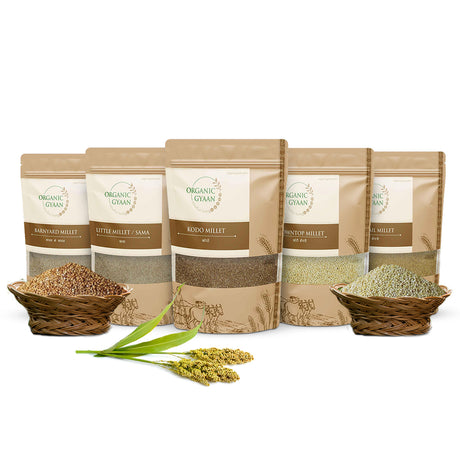
- फॉक्सटेल, ब्राउनटॉप और कोडो जैसी बाजरा की किस्में
- मूंग, मसूर और चना जैसी दालें और फलियां
- पालक और मेथी जैसी हरी पत्तेदार सब्जियां
- सूखे मेवे और बीज (कुछ बादाम, अखरोट, अलसी के बीज)
- तिल या नारियल के तेल जैसे कोल्ड-प्रेस्ड तेल
- परिष्कृत आटे के बजाय पत्थर की चक्की में पिसा हुआ आटा।
- सीमित मात्रा में ए2 गाय का घी - यह पाचन में सहायक होता है और शरीर को आराम देता है।
टालना:
- मीठे स्नैक्स और पेय पदार्थ
- प्रसंस्कृत या तले हुए खाद्य पदार्थ
- परिष्कृत आटा और सफेद चावल
- बहुत अधिक कैफीन
2. पानी और हर्बल चाय पिएं
पानी की कमी से शरीर पर तनाव पड़ सकता है। पानी पिएं:
- दिन में 8-10 गिलास पानी
- मन को शांत करने के लिए तुलसी (पवित्र तुलसी), रक्त शर्करा संतुलन बनाए रखने के लिए दालचीनी, नींद में सुधार के लिए कैमोमाइल और पाचन में सहायता के लिए अदरक जैसी हर्बल चाय बेहतरीन प्राकृतिक विकल्प हैं।
3. अपने शरीर को धीरे-धीरे हिलाएं।
व्यायाम से कोर्टिसोल और रक्त शर्करा दोनों का स्तर कम होता है - लेकिन इसके लिए बहुत अधिक मेहनत करने की आवश्यकता नहीं है।
कोशिश करना:
- 30 मिनट की पैदल दूरी
- हल्का योग या स्ट्रेचिंग
- श्वास लेने के व्यायाम (प्राणायाम)
- बागवानी या नृत्य
अत्यधिक व्यायाम करने से बचें, क्योंकि इससे कोर्टिसोल का स्तर बढ़ सकता है।
4. नींद आपकी प्राकृतिक शर्करा औषधि है।
जब आप अच्छी तरह से नहीं सोते हैं, तो आपके शरीर में कोर्टिसोल का स्तर बढ़ जाता है - और साथ ही आपके रक्त शर्करा का स्तर भी बढ़ जाता है।
बेहतर नींद के लिए कुछ सुझाव:
- सोने से एक घंटा पहले स्क्रीन का उपयोग करने से बचें।
- रात का खाना जल्दी खा लें
- हल्दी वाला गर्म दूध या हर्बल चाय पिएं।
- हर दिन एक ही समय पर सोना और जागना
5. तनाव कम करने वाली छोटी-छोटी आदतें अपनाएं
आप तनाव को पूरी तरह से खत्म नहीं कर सकते - लेकिन आप इसके प्रति अपनी प्रतिक्रिया को बदल सकते हैं।
कोशिश करना:
- गहरी सांस लें (4 गिनती तक सांस अंदर लें, 6 गिनती तक सांस बाहर छोड़ें)
- अपनी सोच को डायरी में लिखें
- प्रकृति में समय बिताना
- अपनों के साथ हंसना
- जब जरूरत हो तब "ना" कहना
रोजाना मात्र 10 मिनट का शांत समय भी कोर्टिसोल के स्तर को प्राकृतिक रूप से कम कर सकता है।
6. सहायता के लिए प्राकृतिक जड़ी-बूटियों का प्रयोग करें
आयुर्वेदिक जड़ी-बूटियां तनाव और शर्करा संतुलन दोनों में सहायक हो सकती हैं:
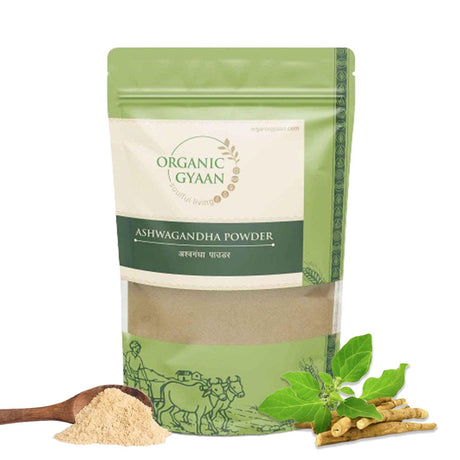
- अश्वगंधा – चिंता कम करने और बेहतर नींद लाने में सहायक
- त्रिफला – पाचन और विषाक्त पदार्थों को शरीर से बाहर निकालने में सहायक
- नीम – रक्त शुद्धिकरण में सहायक
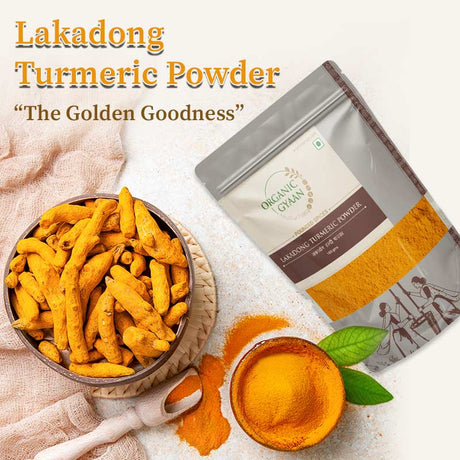
- हल्दी – सूजन से लड़ती है और इंसुलिन को सहारा देती है
यदि आप कोई दवा ले रहे हैं तो जड़ी-बूटियों का सेवन शुरू करने से पहले हमेशा अपने डॉक्टर से सलाह लें।
एक त्वरित उदाहरण
मान लीजिए कि आपका काम पर दिन बहुत कठिन रहा। आप थके-हारे घर आते हैं, देर से खाना खाते हैं और फोन पर स्क्रॉल करते हुए सो जाते हैं।
अगली सुबह, आपके उपवास के दौरान शुगर का स्तर सामान्य से अधिक होता है - भले ही आपके आहार में कोई बदलाव न हुआ हो।
यह कोर्टिसोल का प्रभाव है।
अब इसके बजाय यह कल्पना कीजिए: आप दाल, बाजरे की रोटी और सब्जी का हल्का, घर का बना भोजन करते हैं, तुलसी की चाय की चुस्की लेते हैं, थोड़ी देर टहलते हैं और जल्दी सो जाते हैं।
आपका शरीर सुरक्षित महसूस करता है। कोर्टिसोल का स्तर कम हो जाता है। आपका शुगर लेवल स्थिर हो जाता है।
निष्कर्ष
तो क्या कोर्टिसोल रक्त शर्करा का स्तर बढ़ाता है?
जी हां - ऐसा बिल्कुल हो सकता है। खासकर जब आप अक्सर और लंबे समय तक तनाव में रहते हैं।
लेकिन इसका समाधान सिर्फ दवा में नहीं है - यह आपकी दैनिक आदतों में है।
अच्छा खान-पान, बेहतर नींद, हल्की-फुल्की कसरत और दिनचर्या में शांत पलों को शामिल करके आप अपने कोर्टिसोल और रक्त शर्करा दोनों को प्राकृतिक रूप से संतुलित कर सकते हैं।