
India’s Sweet Tooth Is Costing Us More Than We Think
India is the diabetes capital of the world, with over 101 million people living with diabetes (ICMR, 2023). One of the biggest contributors? Daily consumption of refined sugar-based sweets and processed foods.
Now pause and think:
Every time you pick a ₹200 mithai box, are you choosing tradition… or unknowingly contributing to a health crisis?
This is where the conversation shifts - from just sweets to smart nutrition choices like Organic Laddus.
The Indian Mithai Reality: Cheap Doesn’t Mean Harmless
In India, sweets are not occasional - they’re emotional.
Festivals, guests, celebrations, gifting - mithai is everywhere.
But here’s the uncomfortable truth:
Most commercial sweets in India are made using:
- Refined sugar (high glycemic load)
- Maida (refined flour, poor gut health)
- Vanaspati (trans fats, heart risk)
- Artificial colors & flavors
According to the National Institute of Nutrition (India), diets high in refined carbohydrates and unhealthy fats are directly linked to:
- Obesity
- Insulin resistance
- Cardiovascular issues
So no, cheap mithai isn’t harmless tradition - it’s a daily metabolic burden.
Organic Laddus: A Return to Real Indian Nutrition
Now let’s talk about what most people are getting wrong.
People say:
“Organic Laddus are expensive.”
No. They are simply not diluted.
They follow what Indian food originally was - simple, nutrient-dense, and sattvic.
What Makes Organic Laddus Different? (Ingredient Truth)
1. Palm Jaggery Instead of Refined Sugar
In traditional Indian households, sweets were made using jaggery, not sugar.
Palm jaggery sweets:
- Provide iron and minerals
- Have lower glycemic impact
- Support sustained energy
Unlike refined sugar, which spikes and crashes your blood sugar.
2. Foxtail Millet Laddus: Ancient Grain, Modern Solution
This is where your product dominates.
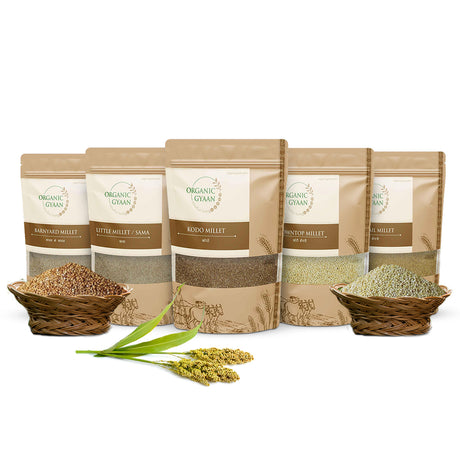
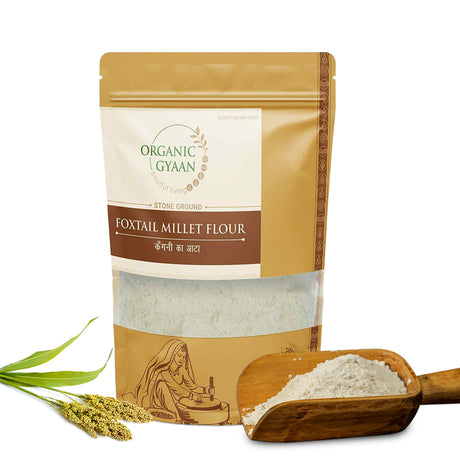
Foxtail millet (Kangni / Kakum) has been used in Indian diets for thousands of years.
Now modern science is backing it.
A study in Frontiers in Nutrition (2021) found that millets:
- Improve blood sugar regulation
- Support gut microbiome
- Reduce inflammation
So when you consume Foxtail Millet Laddus, you’re not eating a sweet - you’re eating functional nutrition.
These millet laddus are:
- High in fiber
- Naturally gluten-free
- Ideal for diabetic-conscious individuals
3. A2 Bilona Ghee: Traditional Fat That Heals
Your Organic Laddus use A2 Bilona Ghee from Gir cows, not vanaspati.
In Ayurveda, ghee is considered:
- A digestion enhancer
- A carrier of nutrients (Yogavahi)
- Essential for gut and brain health
Modern research also supports that good fats improve nutrient absorption.
So this is not “fat” - this is intelligent nutrition.
4. No Preservatives, No Artificial Flavors
Most packaged sweets in India are designed for shelf life - not for health.
But Organic Laddus:
- Have no preservatives
- No artificial additives
- No shortcuts in preparation
This makes them true natural sweets, not factory products.
Why Foxtail Millet Laddus Matter in Indian Diets Today
Let’s get practical.
India is facing:
- Rising diabetes
- Increasing obesity
- Poor gut health
And still, people are eating high sugar, low fiber sweets daily.
This is where Foxtail Millet Laddus become critical.
They:
- Slow down glucose absorption
- Improve satiety (you eat less)
- Reduce sugar cravings
This is exactly what modern Indian diets are missing.
Cheap vs Real: The Cost Breakdown Nobody Explains
Let’s break it brutally.
Cheap Mithai:
- Low-quality ingredients
- Mass production
- Artificial enhancement
- Health cost hidden
Organic Laddus:
- Premium raw ingredients
- Manual, slow preparation
- Nutrient-dense
- Long-term health benefit
So the real equation is:
Cheap sweets = Short-term saving + Long-term damage
Organic Laddus = Higher upfront cost + Long-term benefit
Why Healthy Sweets Keep You Fuller
Most people don’t understand this.
Healthy sweets (like millet laddus) contain:
- Fiber
- Protein
- Good fats
This slows digestion and stabilizes blood sugar.
Result:
- Less hunger
- Fewer cravings
- No energy crash
That’s why 1–2 Organic Laddus feel enough - while cheap sweets make you keep eating.
How to Identify Real Organic Laddus in India
Don’t get fooled by labels like “healthy” or “sugar-free”.
Follow this checklist:
✔ Sweetener → Palm jaggery (not sugar)
✔ Grain → Foxtail millet (not maida)
✔ Fat → A2 ghee (not vanaspati)
✔ Shelf life → Limited (means real)
✔ Label → Clear ingredients
If a brand hides ingredients - it’s hiding something.
Actionable Tips for Indian Consumers
If you actually want to upgrade your lifestyle:
1. Replace Your Mithai Habit
Switch to Organic Laddus instead of daily sweets
2. Eat According to Indian Metabolism
Best time:
- Between 10 AM – 2 PM
- Post meals
3. Pair with Traditional Combinations
- Warm milk + laddu
- Nuts + laddu
Improves digestion.
4. Control Quantity, Not Quality
Eat less - but eat better.
5. Choose Functional Foods
Pick Foxtail Millet Laddus over empty calorie sweets.
Organic Gyaan: Built on Indian Wisdom, Not Marketing
Let’s not pretend this is just another brand.
Organic Gyaan laddus are built differently:
- Palm jaggery instead of refined sugar
- Foxtail millet + flaxseed instead of maida
- A2 Bilona ghee instead of vanaspati
- No preservatives, no artificial flavors
No shortcuts. No dilution.
Just real Indian nutrition.
Conclusion: Stop Buying Cheap, Start Buying Right
At the end of the day, the real comparison is not between cheap sweets and expensive ones - it’s between empty calories and real nutrition.
Cheap mithai is designed for shelf life, cost-cutting, and mass production. It gives you instant taste, but it comes with hidden costs - blood sugar spikes, poor digestion, and long-term health damage. You may not feel it today, but your body keeps the record.
On the other hand, Organic Laddus are built on intention. Every ingredient - from foxtail millet and flaxseed grains to palm jaggery and A2 Bilona ghee - serves a purpose. They don’t just satisfy your sweet cravings, they support your body, your energy levels, and your overall well-being.
So the question is not:
“Why are Organic Laddus expensive?”
The real question is:
“Why are we still choosing cheap over right?”
Because once you understand what goes inside your food, the decision becomes obvious.
If you want something quick and cheap, there are plenty of options in the market.
But if you want something clean, nourishing, and truly aligned with your health, then Organic Laddus are worth every rupee.