Managing diabetes doesn’t mean giving up all sweetness-but it does mean being smart about the kind of sugar you use. One popular natural sweetener these days is coconut sugar. It looks like jaggery, feels more natural than white sugar, and claims to be better for health.
But that leads to an important question:
Is coconut sugar safe for diabetics?
In this blog, we’ll explore the answer in simple words. We’ll look at what coconut sugar is, how it affects blood sugar, and whether it really is a better choice for people managing diabetes.
What Is Coconut Sugar?
Coconut sugar comes from the sap of the coconut palm tree. The sap is heated until the water evaporates, leaving behind a brown, granulated sugar. It’s less processed than white sugar and has a slight caramel taste.
Coconut sugar contains small amounts of:
- Iron
- Zinc
- Potassium
- Antioxidants
However, the amounts of these nutrients are very small and don’t make a big nutritional difference.
Coconut Sugar Glycemic Index: What It Means
One reason coconut sugar has become popular is because of its lower glycemic index (GI). The glycemic index is a number that tells you how fast a food raises your blood sugar.
Let’s compare:
- White sugar: GI of about 60
- Coconut sugar: GI ranges between 35 and 54
That’s a noticeable difference, but it doesn’t mean coconut sugar is a "low-GI" food in every case. The actual impact depends on how much you eat, your activity levels, and whether you combine it with other foods (like fiber or protein).
Is Coconut Sugar Safe for Diabetics?
Here’s the honest answer:
Coconut sugar is still sugar. It might raise your blood sugar a little more slowly, but if you eat too much of it, it can still cause spikes.
Let’s understand why.
1. Same Calories and Carbs as White Sugar
One teaspoon of coconut sugar has about:
- 15–20 calories
- 4 grams of carbohydrates
This is nearly the same as regular sugar. So if you’re watching your carb intake, it still counts.
2. Contains Fructose
Like regular sugar, coconut sugar has a type of sugar called fructose, which can be harmful in excess. Too much fructose over time may increase insulin resistance and belly fat.
3. No Fiber
Because there’s no fiber in coconut sugar, it gets absorbed into your bloodstream quickly unless you eat it with high-fiber foods.
What Do Experts and Research Say?
Experts generally agree that coconut sugar might be slightly better than white sugar, but it’s not a solution for people with diabetes. According to a review published in the Journal of Food Science and Technology, coconut sugar has a lower GI than regular sugar, but it should still be used in small amounts.
Healthline and similar health resources recommend using it rarely-and only if your blood sugar is well-managed.
Can You Use Coconut Sugar Occasionally?
Yes, if:
- Your blood sugar is stable
- You use only a small amount (1 teaspoon or less)
- You don’t use it every day
- You eat it with fiber or protein to slow sugar absorption
- You track how your body responds
If you're unsure, it's always best to check with your doctor or a qualified nutritionist before adding it to your diet.
Healthier Natural Sweeteners to Try Instead
If you want something sweet but safer for your blood sugar, here are some better options:
1. Stevia
- Made from the stevia plant
- Zero calories, zero sugar
- Doesn’t raise blood sugar levels
2. Monk Fruit
- A natural sweetener with no calories
- No effect on insulin or blood sugar
- Ideal for baking and beverages
3. Palm Jaggery
- A traditional sweetener made from palm sap
- Less processed than refined sugar
- Contains some minerals like iron
- Still sugar, but slightly lower in glycemic index than white sugar
- Use in small amounts only
Even with these options, moderation is still key. Natural doesn’t always mean safe for daily use if you're diabetic.
Conclusion
To wrap it up:
-
Is coconut sugar safe for diabetics?
→ Yes—but only in small amounts, occasionally. - It has a lower glycemic index than white sugar, but it still raises blood sugar.
- If you decide to use it, treat it like any other sweetener-use it mindfully.
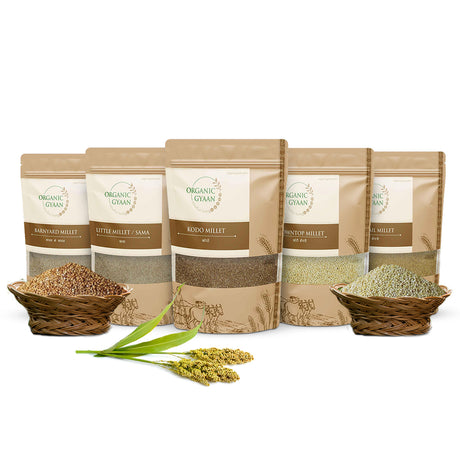
- Better options like stevia, monk fruit, and millets can help support your sweet cravings in a safer way.
The goal is not just to cut sugar-but to build a lifestyle where balance, natural foods, and mindful choices support your overall wellness.