
When you’re living with diabetes, food choices matter a lot. And sometimes, even healthy foods make you pause and wonder-“Is this safe for my blood sugar?”
One such food that gets people thinking is carrots. They’re sweet, crunchy, and often associated with good health - but what about their sugar content?
If you’ve ever asked yourself, “Are carrots good for diabetes?”, this blog is for you.
Let’s look at the facts, benefits, and the best ways to enjoy carrots without worrying about your blood sugar.
Why the Confusion About Carrots?
Carrots naturally taste sweet. That’s why some people assume they’re high in sugar and unsafe for people with diabetes. But here’s the truth:
Carrots are non-starchy vegetables, low in carbs and high in fiber. And that makes them perfectly safe for people with diabetes when eaten in moderate amounts.
Even the sweetness in carrots comes mostly from natural sugars - not the added kind you find in sweets or processed foods.
Understanding the Carrot Glycemic Index
When managing diabetes, the glycemic index (GI) of a food tells you how quickly it raises your blood sugar.
-
Carrot glycemic index: Around 39 (low)
That means carrots digest slowly and won’t cause sudden spikes in blood sugar. For context:
- Low GI: Below 55
- Medium GI: 56–69
-
High GI: 70 or more
So, carrots fall well into the safe range.
Carrot Nutrition: What’s Inside?
Let’s talk about what makes carrots special, especially for diabetic patients.
1. Fiber
Carrots are rich in dietary fiber, which helps slow down the digestion of sugars and carbs. That’s good news for your blood sugar levels.
2. Beta-Carotene (Vitamin A)
This is what gives carrots their bright orange color. Beta-carotene gets converted to vitamin A in your body, which:
- Supports eye health
- Boosts immunity
-
Helps reduce inflammation
Eye health is especially important for people with diabetes, who are at risk of diabetic retinopathy.
3. Antioxidants
Carrots are full of antioxidants that protect your body from cell damage and inflammation- common concerns in diabetes.
4. Low in Calories
One medium carrot has only about 25 calories and around 5–6 grams of carbs. That makes it a healthy, filling snack without guilt.
Are Carrots Good for Diabetes? Absolutely - Here’s Why:
Let’s break down some simple reasons why carrots work well in a diabetes-friendly diet.
|
Benefit |
Why It Matters |
|
Low Glycemic Index |
Helps prevent blood sugar spikes |
|
High in Fiber |
Slows sugar absorption, supports digestion |
|
Natural Sweetness |
Satisfies cravings without processed sugar |
|
Supports Eye Health |
Important for diabetes-related eye risks |
|
Anti-inflammatory |
Helps with diabetes-related inflammation |
Best Ways to Eat Carrots If You Have Diabetes
There are many ways to enjoy carrots safely. Here are a few ideas:
1. Raw Carrots
Great as a crunchy snack or in salads. No prep needed!
Pair it with: A tablespoon of hummus or guacamole to add healthy fats and slow sugar absorption.
2. Steamed Carrots
Gentle steaming keeps nutrients intact and makes them easier to digest.
Pro tip: Don’t overcook - too much heat can raise their glycemic index slightly.
3. Grated Carrots
Add them to salads, soups, or mixed with curd (yogurt) for a refreshing dish.
4. In Sabzis (Indian Dishes)
Carrots blend well with peas, beans, or spinach. Cook with light spices and minimal oil.
What About Carrot Juice?
This is where you need to be careful.
Carrot juice is concentrated. That means:
- Lower fiber
- Higher sugar impact
-
Quick absorption
If you love carrot juice, have only a small glass (100–150 ml) and pair it with a high-fiber snack to slow the sugar absorption.
When to Be Cautious
Carrots are great, but portion control still matters. Here’s what to watch out for:
- Don’t eat large amounts in one go
- Be cautious with cooked carrots + sweet sauces (like honey-glazed)
-
Skip carrot desserts unless they’re made with natural sweeteners like palm jaggery or coconut sugar
Other Veggies to Pair with Carrots
Create a balanced, colorful plate with:
- Cucumber
- Spinach
- Bottle gourd (lauki)
- Beans
- Coriander
-
Tomatoes
These veggies are also low-GI and safe for diabetics.
Natural Remedies to Support Your Blood Sugar
Alongside your diet, certain plant-based, Ayurvedic products may support healthy sugar levels. At Organic Gyaan, we offer:
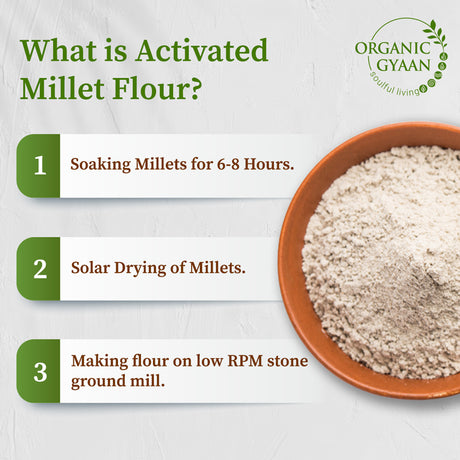
- Stone-ground flours (lower GI than refined)
- Diabetes herbal teas (cinnamon, fenugreek, tulsi)
- Dry fruits & seeds (like flax, chia, and almonds in moderation)
-
Natural sweeteners (coconut sugar, palm jaggery)
Check our website for 100% plant-based and veg-only options to complement your diabetic lifestyle.
Final Thoughts: So, Can Diabetics Eat Carrots?
Yes - absolutely.
Carrots are safe, nutritious, and actually beneficial for people managing diabetes when eaten in the right portions and forms. Their low glycemic index, fiber content, and antioxidant profile support stable blood sugar, eye health, and overall metabolic balance.
But here’s the honest truth: no single food fixes diabetes. What matters is the overall pattern of what you eat every day.
That’s where our Diabetes Wellness Basket fits in naturally. It’s curated with low-GI millets, clean fats, seeds, and Ayurvedic foods that support blood sugar control, insulin sensitivity, and mineral balance - helping you build consistent, diabetes-friendly meals without confusion or guesswork.
So yes, enjoy your carrots.
Just make sure they’re part of a smarter, balanced plate - backed by foods that actually work for long-term blood sugar health.