
When you think about foods that help manage blood sugar, okra probably doesn’t come to mind right away. But did you know that this green, finger-like vegetable - often called lady’s finger - is packed with nutrients that may help people living with diabetes?
In this blog, we’ll walk you through:
- What okra is
- How it might help people with high blood sugar
- Easy ways to eat it
- Why it’s worth including in your weekly meals
If you’re trying to eat healthy, manage your blood sugar, and stay energized throughout the day, this humble vegetable might just be what your plate is missing.
What Is Okra, Exactly?
Okra is a green vegetable with small seeds and a slightly sticky texture when cooked. It’s commonly used in Indian, African, and Middle Eastern dishes. Some people love it, and others avoid it because of its texture. But if you give it a try - especially when cooked the right way - you’ll find it tasty and full of benefits.
Nutritional Value of Okra
Here’s what makes okra so good for you:
- It’s low in calories
- Rich in fiber, which is great for digestion
- Full of vitamin C, K, folate, and magnesium
- Contains antioxidants that protect your body
These nutrients are not only helpful for your overall health but also play an important role in supporting people with diabetes.
How Okra Can Help People with Diabetes
Now let’s break down the real reason you’re here - how does okra actually help with diabetes?
1. Helps Keep Blood Sugar Steady
One of the best things about okra is its fiber and slimy (gel-like) texture. This sticky part slows down how sugar is absorbed in your body after meals. That means fewer blood sugar spikes and a more steady energy level.
So instead of feeling tired after eating or seeing big changes in your blood sugar levels, okra helps things stay more balanced.
2. Rich in Fiber – Great for Digestion and Blood Sugar
Fiber is your friend when you have diabetes. It slows digestion, helps you feel full, and keeps your gut healthy. Okra is full of fiber, especially soluble fiber - the kind that can help lower blood sugar and even support heart health.
Eating fiber-rich foods like okra may also help with:
- Fewer cravings
- Better blood sugar readings
- Improved bowel movements
3. Full of Antioxidants
Okra has powerful antioxidants like vitamin C and flavonoids that help reduce inflammation in the body. Since diabetes is linked with inflammation and oxidative stress, this is another way okra can support your health.
4. May Help with Weight Control
Okra is low in calories but high in fiber, which means it fills you up without adding too many calories. This can be helpful if you’re trying to manage your weight - especially since extra weight can make blood sugar harder to control.
5. Heart-Friendly
People with diabetes often need to take care of their heart too. The fiber in okra helps lower bad cholesterol (LDL) and supports better heart health - which is a win-win.
How to Eat Okra Without Getting Bored
If you’re not used to eating okra or aren’t a fan of its texture, don’t worry. Here are some easy and tasty ways to include okra in your meals:
1. Stir-Fried Okra
Chop okra and cook it in a pan with a little cold-pressed sesame oil, turmeric, and cumin. It’s a quick and flavorful side dish.
2. Okra and Dal
Mix steamed okra into your regular dal (lentils) for a fiber-boosted, diabetes-friendly meal.
3. Okra with Millets
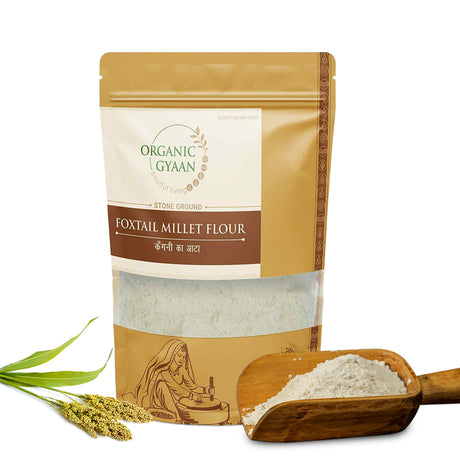
Combine okra with whole grains like foxtail or little millet for a wholesome lunch or dinner.
4. Okra Soup
Cook okra with other veggies, herbs, and spices in a light soup. This is great for digestion and gentle on the stomach.
5. Roasted Okra
Slice it thin and roast in the oven with a touch of oil and seasoning. It turns out crispy and delicious.
What the Research Says
Some small studies have shown that okra may help lower blood sugar levels in people with type 2 diabetes. This is mostly because of its fiber and gel-like compounds that slow down sugar absorption.
While okra isn't a replacement for your doctor’s advice or medication, it can be a helpful addition to your diet - especially when combined with other healthy lifestyle habits.
What to Keep in Mind
- Always eat okra as part of a balanced meal
- Start with small amounts if you’re not used to high-fiber foods
- If you’re on diabetes medication, track your blood sugar as you try new foods
Pair Okra with Other Healthy Foods
Want to build a diabetes-friendly plate? Try combining okra with:
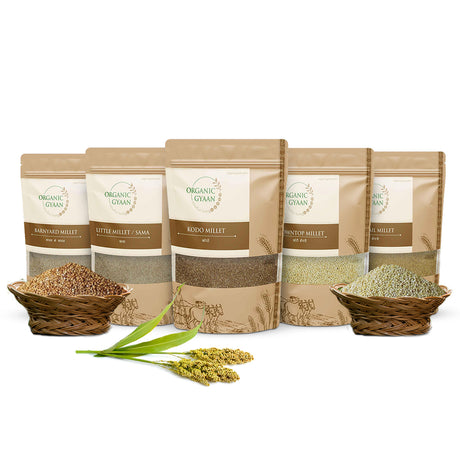
- Millets like foxtail, little millet, or barnyard millet
- Lentils and pulses for plant-based protein
- Cold-pressed oils like coconut or sesame for healthy fat
- Seeds and dry fruits (in small portions) for extra nutrients
- A2 ghee - drizzle a little on top of your cooked meals for extra flavor and nourishment
Sample Day with Okra in Your Diet
Here’s an example of a simple meal plan that includes okra:
Breakfast: Millet porridge with flax seeds and almonds
Lunch: Stir-fried okra, dal, brown rice with A2 ghee
Snack: Handful of roasted chickpeas
Dinner: Okra and vegetable soup with a side of steamed greens
This kind of eating supports your energy, digestion, and blood sugar - without feeling restrictive.
Conclusion
Okra is more than just a side vegetable - it’s a fiber-rich, heart-healthy, blood sugar-friendly food that fits beautifully into a diabetes-friendly diet.
To recap, here’s why okra is worth trying:
- Helps steady blood sugar
- Supports digestion and weight management
- Packed with antioxidants and fiber
- Easy to include in everyday meals
Whether you’re cooking a stir-fry or mixing it into dal, okra offers real benefits without complicated recipes or ingredients.