अननस गोड, रसाळ आणि ताजेतवाने असते. हे असे फळ आहे जे अनेकांना आवडते, विशेषतः उन्हाळ्यात. पण जर तुम्हाला मधुमेह असेल, तर तुम्ही स्वतःला अनेकदा विचाराल:
मधुमेहींसाठी अननस चांगले आहे का, की त्यामुळे माझ्या रक्तातील साखरेचे प्रमाण खूप वाढेल?
हा एक सामान्य प्रश्न आहे. फळे आरोग्यदायी असतात, परंतु काहींमध्ये नैसर्गिकरित्या साखरेचे प्रमाण जास्त असते. या ब्लॉगमध्ये, आपण अननस रक्तातील साखरेवर कसा परिणाम करतो, त्याचे फायदे, किती प्रमाणात खाणे सुरक्षित आहे आणि मधुमेह-अनुकूल आहारात ते कसे समाविष्ट करावे याबद्दल स्पष्टीकरण देऊ.
मधुमेह असलेल्या लोकांना अननसाची काळजी का वाटते?
अननसाची चव गोड असते कारण त्यात नैसर्गिक साखर असते. जेव्हा तुम्ही साखरेचे पदार्थ खाता तेव्हा तुमच्या रक्तातील साखरेची पातळी वाढू शकते. म्हणूनच मधुमेह असलेले लोक अननसासारख्या फळांबद्दल काळजी घेतात.
पण फक्त साखर अन्न चांगले की वाईट हे ठरवत नाही. महत्त्वाचे म्हणजे:
- भागाचा आकार
- साखर रक्तात किती लवकर प्रवेश करते
- तुम्ही त्यासोबत काय खाता
तर हो किंवा नाही म्हणण्यापूर्वी, अननस अधिक चांगल्या प्रकारे समजून घेऊया.
अननसाचे पौष्टिक मूल्य
सुमारे १०० ग्रॅम ताज्या अननसातून हे मिळते:
- कॅलरीज: सुमारे ५०
- कार्बोहायड्रेट: सुमारे १३ ग्रॅम
- नैसर्गिक साखर: सुमारे १० ग्रॅम
- फायबर: सुमारे १.४ ग्रॅम
- व्हिटॅमिन सी
- मॅंगनीज
- अँटिऑक्सिडंट्स
अननसात साखर असते, पण ते तुमच्या शरीराला जीवनसत्त्वे आणि पोषक तत्वे देखील देते जे एकूण आरोग्याला आधार देतात.
अननसाचा ग्लायसेमिक इंडेक्स
ग्लायसेमिक इंडेक्स (GI) हे दर्शविते की अन्न रक्तातील साखर किती लवकर वाढवते.
- ताज्या अननसाचा GI मध्यम असतो (सुमारे ५९)
- कॅन केलेला अननस किंवा वाळलेल्या अननसाचा जीआय जास्त असतो.
याचा अर्थ ताजे अननस रक्तातील साखरेचे प्रमाण मध्यम वेगाने वाढवते, गोड पदार्थ किंवा शीतपेयांपेक्षा वेगाने नाही. म्हणूनच मधुमेहासाठी अननस योग्य पद्धतीने खाल्ल्यास ते शक्य आहे.
मधुमेहींसाठी अननस चांगले आहे का? चला त्याच्या फायद्यांबद्दल बोलूया
अननस गोड असला तरी त्याचे अनेक आरोग्यदायी फायदे आहेत. मधुमेहासाठी अननस हे जाणीवपूर्वक खाल्ल्यास ते का चांगले असू शकते याचा सखोल आढावा येथे घेतला आहे.
१. जळजळ कमी करणारे अँटीऑक्सिडंट्स समृद्ध
मधुमेह असलेल्या लोकांच्या शरीरात जळजळ जास्त असते. दीर्घकाळापर्यंत जळजळ इन्सुलिन प्रतिरोधक क्षमता वाढवू शकते आणि गुंतागुंत होण्याचा धोका वाढवू शकते.
अननसात व्हिटॅमिन सी आणि फ्लेव्होनॉइड्ससारखे अँटीऑक्सिडंट्स असतात. हे मदत करतात:
- जळजळ कमी करा
- पेशींना नुकसानापासून वाचवा
- एकूण चयापचय आरोग्यास समर्थन द्या
कमी जळजळ शरीराला कालांतराने इन्सुलिनला चांगला प्रतिसाद देण्यास मदत करू शकते.
२. नैसर्गिक एन्झाईम्सद्वारे पचनास मदत करते
अननसात ब्रोमेलेन नावाचे नैसर्गिक एंजाइम असते. हे एंजाइम प्रथिने तोडण्यास मदत करते आणि पचनक्रिया सुरळीत करण्यास मदत करते.
मधुमेहासाठी चांगले पचन महत्वाचे आहे कारण:
- हे पोषक तत्वांचे शोषण सुधारते
- हे पोट फुगणे आणि पोटातील अस्वस्थता कमी करते.
- हे आतड्यांच्या आरोग्यास समर्थन देते, जे रक्तातील साखरेच्या चांगल्या नियंत्रणाशी जोडलेले आहे.
निरोगी पचनसंस्था शरीराला ग्लुकोजचे अधिक कार्यक्षमतेने व्यवस्थापन करण्यास मदत करते.
३. रोगप्रतिकारक शक्ती वाढवते, जे मधुमेहींसाठी महत्वाचे आहे
रक्तातील साखरेचे प्रमाण वाढल्याने रोगप्रतिकारक शक्ती कमकुवत होऊ शकते. मधुमेह असलेले लोक अधिक वेळा आजारी पडू शकतात किंवा त्यांना बरे होण्यासाठी जास्त वेळ लागू शकतो.
अननस व्हिटॅमिन सी ने समृद्ध आहे, जे:
- रोगप्रतिकारक शक्ती मजबूत करते
- शरीराला संसर्गाशी लढण्यास मदत करते
- जलद पुनर्प्राप्तीस समर्थन देते
यामुळे अननस कमी प्रमाणात खाल्ल्यास रोगप्रतिकारक शक्ती राखण्यासाठी उपयुक्त ठरतो.
४. जखमा भरण्यास आणि त्वचेच्या आरोग्यास मदत करते
मधुमेहामध्ये जखमा हळूहळू बरे होणे ही एक सामान्य समस्या आहे. अननसातील व्हिटॅमिन सी कोलेजन निर्मितीमध्ये भूमिका बजावते, जे मदत करते:
- खराब झालेली त्वचा दुरुस्त करा
- जखमा जलद बऱ्या होतात
- निरोगी त्वचा राखा
मधुमेहाशी संबंधित त्वचेच्या समस्या हाताळणाऱ्या लोकांसाठी हा फायदा विशेषतः उपयुक्त आहे.
५. रिफाइंड साखरेशिवाय नैसर्गिक गोडवा प्रदान करते
मधुमेह असलेल्या अनेक लोकांना गोड खाण्याची तीव्र इच्छा असते. अननस नैसर्गिकरित्या गोड खाण्याची तीव्र इच्छा पूर्ण करण्यास मदत करू शकते.
लहान भागात खाल्ल्यास:
- ते रिफाइंड साखरेने बनवलेल्या मिष्टान्नांची जागा घेऊ शकते.
- हे पोषक तत्वांसह गोडवा देखील प्रदान करते.
- हे अस्वास्थ्यकर गोड पदार्थांवरील अवलंबित्व कमी करण्यास मदत करते.
यामुळे केक, कँडीज किंवा साखरयुक्त पेयांपेक्षा अननस हा एक चांगला पर्याय बनतो.
तर, अननस मधुमेहासाठी चांगले आहे का?
हो, अननस मधुमेहींसाठी चांगले आहे जेव्हा:
- ते ताजे खाल्ले जाते.
- भागाचा आकार नियंत्रित केला जातो
- हे फायबर, प्रथिने किंवा निरोगी चरबीसह एकत्रित केले जाते.
ते जास्त प्रमाणात किंवा स्वतंत्र नाश्ता म्हणून खाऊ नये.
मधुमेही किती अननस खाऊ शकतो?
भाग नियंत्रण खूप महत्वाचे आहे.
एक सुरक्षित भाग आहे:
- अर्धा कप ताजे अननस (५०-६० ग्रॅम)
हे प्रमाण रक्तातील साखरेची पातळी अचानक वाढ न करता तुम्हाला चव आणि फायदे देते.
मधुमेहासाठी अननस खाण्याचा सर्वोत्तम मार्ग
१. कॅन केलेला आणि वाळलेला अननस टाळा
यामध्ये साखरेचा समावेश असतो किंवा साखरेचा साठा असतो आणि त्यामुळे रक्तातील साखर लवकर वाढू शकते.
२. इतर पदार्थांसोबत अननस खा
अननस यासोबत मिसळा:
- काजू किंवा बिया
- दही किंवा दही
- बाजरी किंवा संपूर्ण धान्य
यामुळे साखरेचे शोषण मंदावते.
३. जेवणासोबत अननस खा
संतुलित जेवणासोबत अननस खाणे हे एकटे खाण्यापेक्षा चांगले आहे.
४. रक्तातील साखरेचे निरीक्षण करा
अननस खाल्ल्यानंतर १-२ तासांनी तुमच्या शरीराची प्रतिक्रिया समजून घेण्यासाठी तुमच्या रक्तातील साखरेची पातळी तपासा.
मधुमेहासाठी अनुकूल अननस जेवणाच्या कल्पना
- अननस + भाजलेले चणे
- भाज्यांच्या सॅलडमध्ये अननस मिसळले
- दही आणि बियांसह अननस
- बाजरीच्या भांड्यात अननस घाला.
या मिश्रणांमुळे साखरेचे प्रमाण कमी होते आणि संतुलन सुधारते.
रक्तातील साखरेचे संतुलन राखणारे नैसर्गिक पदार्थ
अननस सारख्या फळांसोबत, हे नैसर्गिक पदार्थ मधुमेह व्यवस्थापनास मदत करू शकतात:
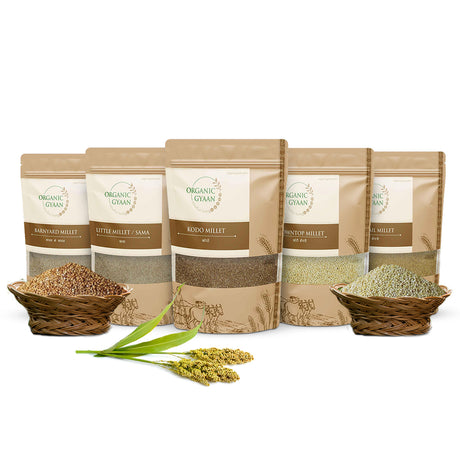
- मंद ऊर्जा सोडण्यासाठी बाजरी
- पचन आणि इन्सुलिन संतुलनासाठी A2 गाईचे तूप
- साखरेचा चांगला पर्याय म्हणून खजूर गूळ पावडर
- रक्तातील साखरेला आधार देण्यासाठी जांभळाच्या बियांची पावडर, त्रिफळा आणि मोरिंगा
- निरोगी चरबीसाठी सुकामेवा आणि बिया
संतुलित शाकाहारी आहाराचा भाग म्हणून हे पदार्थ सर्वोत्तम काम करतात.
निष्कर्ष
तर, मधुमेहींसाठी अननस चांगले आहे का?
हो - काळजीपूर्वक आणि माफक प्रमाणात खाल्ले तर.
अननस अँटीऑक्सिडंट्स, पचनास मदत, रोगप्रतिकारक शक्तीचे फायदे आणि नैसर्गिक गोडवा प्रदान करते. परंतु त्यात नैसर्गिक साखर असल्याने, डोस नियंत्रण आणि अन्नाची जोडणी आवश्यक आहे.
ताजे अननस निवडा, प्रक्रिया केलेले प्रकार टाळा आणि संतुलित जेवणाचा भाग म्हणून त्याचा समावेश करा. योग्य पद्धतीने खाल्ल्यास, मधुमेहासाठी अननस सुरक्षित आणि आनंददायी दोन्ही असू शकते.