जेवणानंतर तुम्ही कधी तुमच्या रक्तातील साखरेची पातळी तपासली आहे का आणि या आकड्यांचा अर्थ काय असा प्रश्न पडला आहे का? किंवा कदाचित तुम्हाला जेवणानंतर तुमच्या रक्तातील साखरेची पातळी तपासण्यास सांगितले गेले असेल पण ते का महत्त्वाचे आहे हे तुम्हाला माहिती नसेल?
जेवणानंतर तुमच्या रक्तातील साखरेचे प्रमाण कसे असते हे समजून घेणे हे तुमच्या आरोग्याचे व्यवस्थापन करण्यासाठी सर्वात महत्वाचे साधन आहे - विशेषतः जर तुम्हाला मधुमेह असेल किंवा तो होण्याचा धोका असेल तर. या ब्लॉगमध्ये, आम्ही तुम्हाला खाल्ल्यानंतर सामान्य रक्तातील साखर काय मानली जाते, ती का महत्त्वाची आहे, अन्न आणि सवयी त्यावर कसा परिणाम करतात आणि ती स्थिर ठेवण्यासाठी तुम्ही घेऊ शकता अशा व्यावहारिक पावले उचलू.
जेवणानंतर २ तासांनी रक्तातील साखरेची सामान्य पातळी आणि तुमच्या आयुष्यात छोटे बदल कसे मोठे बदल घडवू शकतात याबद्दल बोलूया.
खाल्ल्यानंतर रक्तातील साखरेचे काय होते?
जेव्हा तुम्ही खाता, विशेषतः कार्बोहायड्रेट्स असलेले पदार्थ, तेव्हा तुमचे शरीर त्या पदार्थांचे ग्लुकोज (साखर) मध्ये विभाजन करते. हे ग्लुकोज तुमच्या रक्तप्रवाहात प्रवेश करते, ज्यामुळे तुमच्या रक्तातील साखरेची पातळी वाढते.
तुमचा स्वादुपिंड इन्सुलिन सोडतो, एक संप्रेरक जो रक्तातून ग्लुकोज तुमच्या पेशींमध्ये हलविण्यास मदत करतो - जिथे ते ऊर्जा बनते. सामान्य इन्सुलिन प्रतिसाद असलेल्या लोकांमध्ये, जेवणानंतर रक्तातील साखर वाढते परंतु नंतर इन्सुलिन त्याचे काम करत असताना ती कमी होते.
पण जर तुमचे शरीर इन्सुलिनला चांगला प्रतिसाद देत नसेल (जसे की टाइप २ मधुमेहात) किंवा ते पुरेसे तयार करत नसेल (जसे की टाइप १ मधुमेहात), तर तुमच्या रक्तातील साखरेचे प्रमाण जास्त काळ टिकते. म्हणूनच जेवणानंतर रक्तातील साखरेची पातळी तपासणे खूप उपयुक्त आहे.
जेवणानंतर रक्तातील साखरेची सामान्य पातळी काय असते?
समजण्यास सोप्या पद्धतीने संख्यांचे विभाजन करूया.
सामान्य रक्तातील साखर (मधुमेह नसलेले)
- जेवणापूर्वी (उपवास): १०० मिलीग्राम/डेसीएल पेक्षा कमी
- खाल्ल्यानंतर १ तास: सहसा १८० mg/dL पेक्षा कमी होते
- जेवणानंतर २ तासांनी (जेवणानंतर): १४० मिलीग्राम/डेसीएल पेक्षा कमी
म्हणून जेव्हा लोक विचारतात, "जेवल्यानंतर २ तासांनी सामान्य रक्तातील साखर किती असते?" - मधुमेह नसलेल्या व्यक्तीसाठी सामान्य उत्तर १४० मिलीग्राम/डीएलपेक्षा कमी असते.
खाल्ल्यानंतर सामान्य रक्तातील साखर (मधुमेह)
मधुमेह असलेल्या लोकांसाठी, संख्या थोडी जास्त असू शकते, परंतु त्यांना शक्य तितक्या सुरक्षितपणे सामान्य जवळ ठेवण्याचा विचार आहे:
- खाल्ल्यानंतर १-२ तासांनी: बहुतेकदा १८० मिलीग्राम/डीएलपेक्षा कमी लक्ष्यित
- काही डॉक्टर वैयक्तिक ध्येयांवर अवलंबून १४०-१६० mg/dL पेक्षा कमी पातळीचे लक्ष्य ठेवतात.
हे आकडे सामान्य मार्गदर्शक तत्त्वे आहेत. तुमचे वय, आरोग्य इतिहास आणि औषधांवर आधारित तुमचे डॉक्टर तुम्हाला वेगळे लक्ष्य देऊ शकतात.
जेवणानंतर रक्तातील साखर का महत्त्वाची आहे?
तुम्हाला कदाचित आधीच माहित असेल की उपवास करून रक्तातील साखरेचे प्रमाण महत्वाचे आहे, परंतु जेवणानंतर रक्तातील साखरेचे प्रमाण तुमचे शरीर अन्न किती चांगल्या प्रकारे हाताळते याचे वास्तविक चित्र देते.
जेवणानंतर रक्तातील साखरेचे प्रमाण कालांतराने वाढू शकते:
- हृदयरोगाचा धोका वाढवा
- मज्जातंतू किंवा मूत्रपिंडाचे नुकसान होऊ शकते
- डोळ्यांच्या समस्या निर्माण करणे
- तुम्हाला थकवा किंवा कमकुवत वाटणे
- तुमच्या शरीरात जळजळ वाढवा.
म्हणूनच तज्ञ अनेकदा जेवणानंतर सामान्य रक्तातील साखरेची पातळी उपवासाच्या ग्लुकोजसोबत तपासतात - यामुळे केवळ उपवासाच्या संख्येपेक्षा लवकर समस्या ओळखण्यास मदत होऊ शकते.
खाल्ल्यानंतर तुमच्या रक्तातील साखरेवर काय परिणाम होतो?
तुमचे खाल्ल्यानंतर रक्तातील साखरेची पातळी फक्त तुम्हाला मधुमेह आहे की नाही यावर अवलंबून नाही. तुमचे प्रमाण किती वाढते आणि किती लवकर ते परत खाली येते यावर अनेक गोष्टी अवलंबून असतात:
१. तुम्ही काय खाता
रिफाइंड कार्ब्स आणि साखरेचे प्रमाण जास्त असलेले अन्न रक्तातील साखरेचे प्रमाण जलद वाढवते. फायबर, प्रथिने आणि निरोगी चरबीयुक्त पदार्थ रक्तातील साखरेचे प्रमाण हळूहळू वाढवतात.
२. तुम्ही किती खाता
मोठ्या प्रमाणात ग्लुकोज घेतल्याने तुमच्या रक्तप्रवाहात एकाच वेळी जास्त ग्लुकोज प्रवेश करते.
३. अन्न कसे तयार केले जाते
उकडलेले किंवा वाफवलेले अन्न तळलेले किंवा प्रक्रिया केलेले अन्नापेक्षा हळू पचते.
४. शारीरिक क्रियाकलाप
खाल्ल्यानंतर हालचाल केल्याने स्नायूंना ग्लुकोजचा अधिक प्रभावीपणे वापर करण्यास मदत होते.
५. ताण आणि झोप
कमी झोप आणि जास्त ताण यामुळे रक्तातील साखरेची प्रतिक्रिया वाढू शकते.
६. औषधे
इन्सुलिन आणि काही मधुमेहाची औषधे जेवणानंतर साखरेचे प्रमाण कमी करण्यास मदत करतात, तर काही औषधे त्यावर फारसा परिणाम करू शकत नाहीत.
जेवणानंतर निरोगी रक्तातील साखरेची श्रेणी
जलद संदर्भासाठी येथे पुन्हा सरलीकृत श्रेणी दिल्या आहेत:
मधुमेह नसलेले:
- जेवणापूर्वी: <१०० मिग्रॅ/डेसीएल
- खाल्ल्यानंतर २ तासांनी: <१४० मिग्रॅ/डेसीएल
मधुमेहासह:
- जेवणापूर्वी: ८०-१३० मिग्रॅ/डेसीएल (सामान्य लक्ष्य)
- जेवणानंतर २ तासांनी: सहसा १८० मिलीग्राम/डीएल पेक्षा कमी
तुमचे आदर्श आकडे थोडे वेगळे असू शकतात - नेहमी तुमच्या आरोग्य सेवा प्रदात्याच्या सल्ल्याचे पालन करा.
खाल्ल्यानंतर रक्तातील साखरेचे व्यवस्थापन करण्यासाठी व्यावहारिक टिप्स
आता तुम्हाला माहित आहे की खाल्ल्यानंतर रक्तातील साखरेची सामान्य पातळी कशी दिसते, चला ती निरोगी मर्यादेत ठेवण्याच्या मार्गांबद्दल बोलूया:
१. तुमची प्लेट फायबरने भरा
फायबर साखरेचे शोषण कमी करते.
असे पदार्थ वापरून पहा:
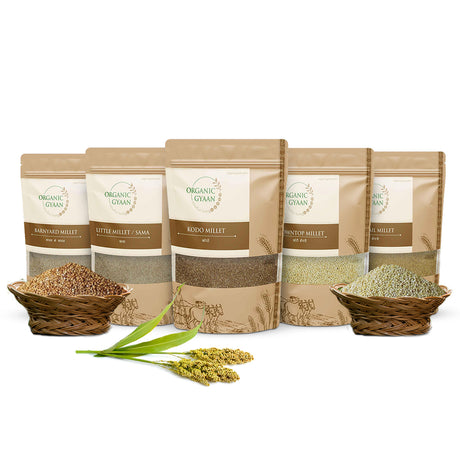
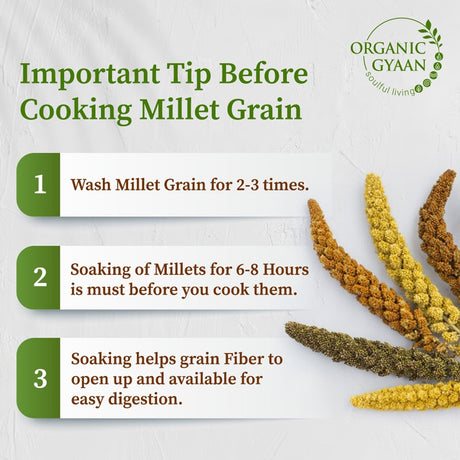
- बाजरी
- भाज्या
- बीन्स आणि मसूर
- संपूर्ण धान्य
- साल असलेली फळे
फायबरयुक्त जेवण तुमच्या साखरेचे प्रमाण स्थिर ठेवण्यास मदत करते.
२. प्रथिने किंवा निरोगी चरबीसह कार्बोहायड्रेट्सची जोडणी करा
प्रथिने किंवा निरोगी चरबी जोडल्याने पचन मंदावते. चांगले पर्याय म्हणजे:
- भाजलेले चणे किंवा शेंगदाणे
- थंड दाबलेली तेले
- A2 गीर गाईचे तूप
हे ग्लुकोजच्या जलद वाढीस प्रतिबंध करण्यास मदत करते.
३. कमी ग्लायसेमिक असलेले पदार्थ निवडा.
कमी ग्लायसेमिक असलेले पदार्थ साखर हळूहळू वाढवतात. गोड बटाटे, बाजरी आणि शेंगा ही चांगली उदाहरणे आहेत. त्यांना नेहमी प्रथिने आणि फायबरसह एकत्र करा.
४. हायड्रेटेड रहा
पाणी तुमच्या शरीराला साखर वापरण्यास आणि संतुलन राखण्यास मदत करते. दालचिनी किंवा मोरिंगा सारखे हर्बल टी वापरून पहा (तुमच्या डॉक्टरांच्या सल्ल्यानुसार).
५. खाल्ल्यानंतर हालचाल करा
जेवणानंतर थोडे चालणे (१०-२० मिनिटे) देखील स्नायूंना ग्लुकोज वापरण्यास आणि रक्तातील साखरेची पातळी कमी करण्यास मदत करू शकते.
जेवणानंतर तुमच्या रक्तातील साखरेचे निरीक्षण कसे करावे
जर तुम्ही घरी तुमच्या रक्तातील साखरेचे परीक्षण करत असाल तर:
- जेवण सुरू झाल्यानंतर २ तासांनी चाचणी करा कारण यामुळे तुमच्या शरीराच्या प्रतिसादाचे सर्वोत्तम चित्र मिळते.
- तुम्ही काय खाल्ले आणि तुमचे आकडे किती होते याची नोंद ठेवा.
- हे रेकॉर्ड तुमच्या आरोग्य सेवा प्रदात्यासोबत शेअर करा जेणेकरून गरज पडल्यास ते तुमची योजना समायोजित करण्यास मदत करू शकतील.
यासाठी ग्लुकोमीटर किंवा सतत ग्लुकोज मॉनिटर (CGM) चांगले काम करते.
जेवणानंतरच्या साखरेला निरोगी ठेवण्यासाठी नैसर्गिक अन्न आणि पूरक आहार
काही संपूर्ण अन्नपदार्थ आणि नैसर्गिक उपाय संतुलित आहारासोबत जेवणानंतर तुमचे पातळी स्थिर ठेवण्यास मदत करू शकतात:
- बाजरी - हळूहळू पचणारे, कमी ग्लायसेमिक
- A2 गिर गाय तूप - साखरेचे शोषण कमी करणारे निरोगी चरबी
- खजूर गूळ पावडर - कमी प्रमाणात नैसर्गिक गोडवा
- त्रिफळा, जांभळाच्या बियांची पावडर, मोरिंगा - रक्तातील साखरेचे प्रमाण वाढविण्यासाठी वापरल्या जाणाऱ्या पारंपारिक औषधी वनस्पती
- कोल्ड-प्रेस्ड तेले - सौम्य, संतुलित उर्जेसाठी
हे वैद्यकीय उपचारांची जागा घेऊ नयेत परंतु ते निरोगी खाण्याच्या पद्धतीचा भाग असू शकतात.
निष्कर्ष
खाल्ल्यानंतर रक्तातील साखरेची पातळी समजून घेतल्याने तुमचे शरीर केवळ उपवासाच्या संख्येवरच नव्हे तर खऱ्या अन्नाला कशी प्रतिक्रिया देते हे पाहण्यास मदत होते. खाल्ल्यानंतर २ तासांनी रक्तातील साखरेची पातळी सामान्य ठेवण्याचा प्रयत्न केल्याने दीर्घकालीन धोके कमी होऊ शकतात आणि तुम्हाला दररोज बरे वाटण्यास मदत होते.
येथे एक संक्षिप्त सारांश आहे:
- मधुमेह नसलेल्या लोकांमध्ये जेवणानंतर निरोगी ग्लुकोजचे प्रमाण सामान्यतः १४० मिलीग्राम/डेसीएलपेक्षा कमी राहते.
- मधुमेह असलेल्या लोकांसाठी, बरेच डॉक्टर जेवणानंतर सुमारे २ तासांनी १८० मिलीग्राम/डीएल पेक्षा कमी पातळीचे लक्ष्य ठेवतात.
- फायबरयुक्त पदार्थ, कमी ग्लायसेमिक कार्बोहायड्रेट्स, निरोगी चरबी आणि नियमित हालचाल निवडल्याने तुमची पातळी स्थिर राहण्यास मदत होऊ शकते.
बाजरी, भाज्या, मसूर आणि पारंपारिक नैसर्गिक पदार्थ यासारख्या पौष्टिक, शाकाहारी घटकांपासून बनवलेले संतुलित जेवण तुमच्या ध्येयांना पाठिंबा देऊ शकते. तुमचे आरोग्य सोपे आणि चविष्ट बनवणाऱ्या नैसर्गिक, मधुमेह-अनुकूल उत्पादनांसाठी आमची वेबसाइट पहा.
एका वेळी एक जेवण करून तुमच्या आरोग्यावर नियंत्रण ठेवा - आणि तुमचे अन्न तुमच्यासाठी कामाचे बनवा.