
If someone in your family has type 1 diabetes, your very first question is probably this: "Could I get it too?"
It is one of the most asked questions among families living with this condition - and also one of the most misunderstood. The answer is not a simple yes or no. It is more nuanced, more interesting, and in many ways, more hopeful than most people expect.
Here is a fact that surprises almost everyone: even if both twins are identical - sharing 100 percent of the same genes - if one twin has type 1 diabetes, the other twin only has about a 50 percent chance of developing it. Not 100 percent. Not even close.
That one fact tells you everything you need to know about the relationship between genetics and type 1 diabetes. Genes play a real and significant role. But they are not the whole story. Not even half of it.
In this blog, we are going to explain everything clearly and simply - no confusing medical language, just honest answers.
By the end, you will understand:
- Whether type 1 diabetes is genetic and what that actually means
- Which specific genes are involved and how they work
- The difference between having a genetic risk and actually getting the disease
- What environmental factors trigger type 1 diabetes even in people with the genes
- What families with a history of type 1 diabetes can do to support their health
- Natural foods and herbs that support immune health and blood sugar management every day
What Is Type 1 Diabetes - And Why Does It Matter?
Before we talk about genes, let us quickly understand what type 1 diabetes actually is - because this shapes the entire genetics conversation.
Type 1 diabetes is an autoimmune condition. This means the body's own immune system - the same system that is supposed to protect you from viruses and bacteria - mistakenly attacks and destroys the insulin-producing beta cells in the pancreas.
Insulin is the hormone that allows cells to absorb glucose from the blood and use it for energy. When the beta cells are destroyed, the body can no longer produce insulin. Blood sugar builds up in the bloodstream with nowhere to go. This is what causes the dangerous symptoms of type 1 diabetes - extreme thirst, frequent urination, rapid weight loss, fatigue, and in severe cases, diabetic ketoacidosis (DKA).
Unlike type 2 diabetes, type 1 diabetes is not caused by lifestyle choices like diet or exercise. It is not something a person brings on themselves. It is an immune system malfunction - one that involves genes, environment, and factors that scientists are still working to fully understand.
So - Is Type 1 Diabetes Genetic?
Yes - partly. And here is what that really means.
Based on twin and family studies, the estimated contribution of genetic factors to type 1 diabetes risk is approximately 50%. This is a crucial number. It means that half of your risk of developing type 1 diabetes comes from the genes you inherit - and the other half comes from environmental factors, lifestyle, and other influences that science is still working to fully identify.
Your genes set the stage, but you cannot be certain how it will all play out. There is no single diabetes gene that gets turned on or off to give you type 1. Instead, a group of them play a role - including a dozen or so that have the biggest say: the HLA genes.
This is the most important thing to understand about the genetics of type 1 diabetes: it is not caused by one single gene. It is shaped by many genes working together - and even then, those genes only create a risk, not a certainty.
The HLA Genes - The Most Important Players
At the centre of the type 1 diabetes genetics story are genes called HLA genes - Human Leukocyte Antigen genes.
The Human Leukocyte Antigen (HLA) gene has emerged as the strongest genetic link to type 1 diabetes. It has been attributed to approximately 50% of the genetics associated with type 1 diabetes. The main genetic factors influencing type 1 diabetes are polymorphisms in class II HLA genes, specifically those encoding HLA-DQ and HLA-DR.
In simple words: HLA genes help your immune system tell the difference between your own body's cells and foreign invaders like viruses. When certain versions (called variants) of these HLA genes are present, the immune system can become confused - and start attacking the body's own beta cells as if they were foreign enemies.
There is an increased risk of developing type 1 diabetes in individuals having mutations in the human leukocyte antigen (HLA) class II genes on chromosome 6, which contributes about 50% of the lifetime risk of this disease.
Beyond HLA genes, more than 90 additional non-HLA genetic locations have been identified that contribute smaller individual effects to type 1 diabetes risk, including variants in or near the INS, CTLA4, IL2RA, and PTPN22 genes.
But - and this is critical - having a genetic predisposition does not guarantee that a person will develop type 1 diabetes. Instead, it means they are more susceptible under certain conditions.
What Are the Actual Risk Numbers for Family Members?
If someone in your family has type 1 diabetes, here is what the research says about your risk:
- If your father has type 1 diabetes: Your risk is approximately 1 in 17 (about 6%)
- If your mother has type 1 diabetes: Your risk is approximately 1 in 25 (about 4%) - slightly lower if she was diagnosed after age 25
- If both parents have type 1 diabetes: Your risk increases to approximately 1 in 10 (about 10%)
- If a sibling has type 1 diabetes: Your risk is approximately 1 in 10 (about 10%)
- If an identical twin has type 1 diabetes: Your risk is approximately 50%
In monozygotic (identical) twins, who share 100% of their genes, when one twin has type 1 diabetes, the risk to the other twin is approximately 50%, suggesting that both genetic and nongenetic factors contribute to risk. This concordance for type 1 diabetes increases to 65% by age 60 years.
This 50 percent figure in identical twins is perhaps the most powerful evidence that genetics alone does not determine whether you get type 1 diabetes. Even with identical DNA, something else - something environmental - has to trigger the immune system attack.
The Role of Environment - The Other 50 Percent
If genes are only half the story, what is the other half?
This is where it gets both fascinating and important. Scientists have identified several environmental factors that appear to trigger type 1 diabetes in people who carry the genetic risk. These include:
1. Viral infections - Certain viruses, particularly enteroviruses (like Coxsackievirus B), have been strongly associated with triggering the autoimmune response that destroys beta cells. A viral infection may confuse the immune system into attacking the pancreas in people who already carry the genetic risk.
2. Gut microbiome imbalance - Research is increasingly showing that the health of your gut - the balance of good and bad bacteria in your digestive system - plays a role in immune function and potentially in type 1 diabetes development. A diverse, healthy gut microbiome may help regulate the immune system more effectively.
3. Early dietary exposures - Some research suggests that exposure to certain foods very early in life (including the timing of introducing gluten) may influence the risk of autoimmune conditions including type 1 diabetes in genetically susceptible children.
4. Vitamin D deficiency - Low Vitamin D levels have been associated with higher rates of type 1 diabetes in some population studies. Vitamin D plays an important role in immune regulation.
5. Geographical and seasonal factors - Certain genes are more common in one group of people than another. Race and ethnicity affect risk too - for example, white people are more likely to have type 1 diabetes than others. Rates are also higher in countries farther from the equator, possibly linked to less sunlight and lower Vitamin D levels.
Type 1 diabetes susceptibility is caused by both environmental and genetic factors, the latter comprising approximately half of the total risk, as evidenced by the fact that identical twins have approximately 50% concordance.
Type 1 vs Type 2 - The Genetic Difference
It is worth clarifying how the genetics of type 1 diabetes differs from type 2 diabetes, because the two are often confused.
Type 1 and type 2 diabetes both have genetic links, but they are different. Type 1 diabetes often requires genes from both parents. Type 2 diabetes, on the other hand, has a stronger genetic link, with about 70% of the risk coming from genes. Type 2 diabetes is also influenced by lifestyle and environment, including diet and exercise.
The key differences:
| Feature | Type 1 Diabetes | Type 2 Diabetes |
|---|---|---|
| Cause | Autoimmune - immune attacks beta cells | Insulin resistance - cells stop responding to insulin |
| Genetic contribution | ~50% of risk | ~70% of risk |
| Lifestyle influence | Not directly caused by lifestyle | Strongly influenced by diet, weight, activity |
| Age of onset | Often childhood or young adulthood | Usually adulthood, but rising in younger people |
| Management | Insulin always required | Diet, exercise, medication, sometimes insulin |
Understanding this difference is important - it means that for type 1 diabetes, managing lifestyle will not prevent the autoimmune process, but it can significantly support overall health and immune function.
Can Genetic Testing Tell You If You Will Get Type 1 Diabetes?
Genetic testing can identify individuals with a higher risk of developing type 1 diabetes based on their DNA. However, it is not a definitive predictor of the disease.
In practical terms: a genetic test can tell you whether you carry HLA gene variants associated with higher type 1 diabetes risk. But it cannot tell you whether you will actually develop the condition. Many people carry these gene variants and never develop type 1 diabetes in their entire lifetime.
Genetic testing for type 1 diabetes is most useful in:
- Research settings and clinical trials for early detection
- Screening children in families with a known history of type 1 diabetes
- Identifying candidates for prevention studies
If you are concerned about genetic risk in your family, speak with your doctor about whether autoantibody testing or genetic screening makes sense for your specific situation.
What Can Families With a History of Type 1 Diabetes Do?
Even though type 1 diabetes cannot currently be prevented once the autoimmune process has started, there is a great deal you can do to support immune health, maintain overall wellness, and take care of your body - whether you have type 1 yourself or are supporting someone who does.
1. Support a Healthy Gut Every Day
The gut microbiome is closely connected to immune function. Eating diverse, fibre-rich, fermented foods supports a healthy gut and a well-regulated immune system.
Fermented foods like homemade curd (yogurt), chaas (buttermilk), and traditional fermented grains like Ambali (fermented millet drink) provide natural probiotics that strengthen the gut lining and support immune balance.
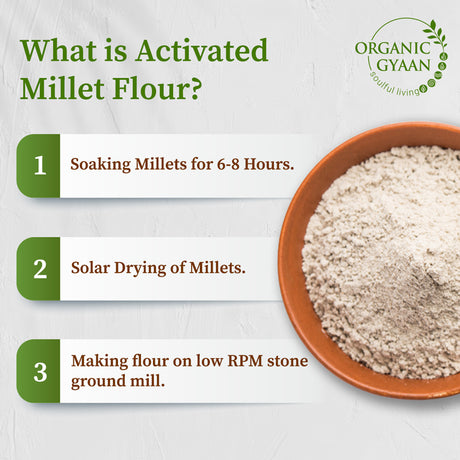
Siridhanya Millets - Foxtail Millet, Kodo Millet, Little Millet, Barnyard Millet, and Browntop Millet - are prebiotic-rich whole grains that feed beneficial gut bacteria, support healthy digestion, and provide slow-release energy without blood sugar spikes.
2. Prioritise Vitamin D
Given the strong association between Vitamin D deficiency and autoimmune conditions including type 1 diabetes, getting adequate sunlight every day is a simple and powerful habit. Aim for 20–30 minutes of morning sunlight daily.
Foods rich in Vitamin D include fortified dairy, mushrooms, and seeds. Moringa powder is also a rich source of vitamins and minerals that support immune health.
3. Keep Inflammation Low
Chronic inflammation weakens immune regulation and is linked to the progression of autoimmune conditions. These natural anti-inflammatory foods and herbs support a calmer immune system:
1. Turmeric - Contains curcumin, one of the most well-studied anti-inflammatory compounds in nature. A pinch in warm water or dal every day is a deeply powerful daily habit.
2. Moringa Powder - Rich in antioxidants, Vitamin C, and anti-inflammatory compounds. Studies show it supports healthy blood sugar and reduces oxidative stress.
3. Giloy Powder - A classical Ayurvedic herb known for its deep immunomodulatory properties. Giloy helps the immune system function more appropriately - supporting balance rather than overreaction.
4. Neem Powder - Rich in anti-inflammatory and antioxidant compounds, Neem supports immune health and blood purification.
4. Manage Blood Sugar Well - Every Single Day
For people who already have type 1 diabetes, the most important daily priority is consistent blood sugar management. Stable blood sugar reduces the long-term risk of complications like eye damage, kidney disease, nerve damage, and heart disease.
These natural foods support blood sugar stability alongside medical management:
Jamun Seed Powder - Contains jamboline and ellagic acid, compounds with proven blood sugar-regulating properties. Take one teaspoon in warm water daily.
Karela (Bitter Gourd) Powder - Contains natural insulin-mimicking compounds that support glucose regulation.
Ceylon Cinnamon Powder - Improves insulin sensitivity and helps reduce fasting blood sugar levels. A gentle, daily addition to any food or warm drink.
A2 Gir Cow Bilona Ghee - Supports healthy digestion, gut lining integrity, and steady energy. Made using the traditional bilona churning method.
5. Stay Active, Sleep Well, and Manage Stress
Physical activity improves insulin sensitivity and supports immune function. Even a 30-minute daily walk makes a meaningful difference.
Sleep of 7–8 hours per night is critical for immune regulation. Chronic sleep deprivation has been linked to increased inflammation and worsened blood sugar management.
Stress raises cortisol, which raises blood sugar and worsens immune imbalance. Simple daily practices like pranayama, yoga, or 10 minutes of quiet breathing can make a real difference over time.
Key Takeaways
Here is everything we covered, brought together clearly:
- Type 1 diabetes is partly genetic - genes contribute approximately 50% of the risk. The other 50% comes from environmental factors, viral triggers, gut health, and other influences
- The most important genes involved are the HLA genes, which play a central role in immune function. Specific HLA variants increase the risk of the immune system attacking beta cells in the pancreas
- Even identical twins - who share 100% of their genes - have only about a 50% chance of both developing type 1 diabetes. This proves that genes alone do not determine the outcome
- Having a genetic predisposition to type 1 diabetes does not mean you will definitely develop it. Many people carry the risk genes and never get the disease
- Environmental triggers - viral infections, gut microbiome health, Vitamin D levels, and early dietary exposures - all play a real role alongside genetics
- For families with a history of type 1 diabetes: supporting gut health, keeping inflammation low, eating immune-supporting foods, managing blood sugar well, and living a balanced lifestyle are the most powerful daily tools available
- Natural foods like Siridhanya millets, Amla, Moringa, Turmeric, and Ayurvedic herbs like Giloy, Jamun, Karela, and Neem support immune health and blood sugar management every day
You Have More Power Than You Think
Learning that type 1 diabetes has a genetic component can feel scary. But understanding that genes are only half the story - and that environment, lifestyle, and daily choices play just as big a role - is genuinely empowering.
You cannot change your DNA. But you can nourish your gut every day. You can keep inflammation low. You can support your immune system with the right foods and herbs. You can manage blood sugar consistently and protect yourself from long-term complications.
Organic Gyaan is here to support that journey - with certified organic Siridhanya millets, Ayurvedic herbs, A2 Bilona Ghee, and a complete range of natural, diabetes-friendly products rooted in India's traditional wellness wisdom.