
If you or someone you love is managing diabetes, understanding insulin reactions is not optional - it is essential. Also referred to as hypoglycemia or, in older medical terminology, "insulin shock," an insulin reaction happens when blood sugar levels drop too low, usually below 70 mg/dL. The good news? When you know what to look for and how to respond, most insulin reactions are fully manageable at home.
In this guide, you'll learn exactly how to recognize the early and advanced warning signs of an insulin reaction, follow a step-by-step emergency treatment protocol, and discover powerful Ayurvedic natural remedies that support long-term blood sugar stability - reducing the frequency and severity of future episodes.
What Is an Insulin Reaction? Understanding the Basics
An insulin reaction occurs when there is too much insulin in the bloodstream relative to the amount of available blood glucose. This imbalance can happen for a variety of reasons - taking too much insulin, skipping or delaying a meal, engaging in intense physical activity without adjusting food intake, or consuming alcohol without eating. Even people who are carefully managing their diabetes can experience an insulin reaction despite doing everything right.
According to the American Diabetes Association (ADA), blood sugar is considered low at 70 mg/dL, and a severe insulin reaction is defined as a level of 55 mg/dL or below. At these levels, the brain and vital organs are deprived of glucose - their primary energy source - and the body begins to send urgent distress signals.
Importantly, insulin reactions are not only a risk for people on insulin injections. Those taking sulfonylureas or meglitinides - two classes of oral diabetes medication - are also at risk. Over 101 million Indians live with diabetes today, making awareness of insulin reactions a public health priority across the country.
How Do You Recognize an Insulin Reaction? Early vs. Severe Signs
The ability to recognize an insulin reaction early is what separates a manageable episode from a medical emergency. Symptoms generally progress in stages - from mild and annoying to dangerous and disorienting. Here's what to watch for:
Stage 1 - Mild Symptoms (Act Immediately)
5. Sudden Hunger Pangs: An intense, almost desperate craving for food - particularly sweets or carbohydrates.
6. Anxiety & Irritability: Unexplained mood changes, nervousness, or feeling on edge.
Stage 2 - Moderate to Severe Symptoms (Seek Help)
At this stage of an insulin reaction, cognitive function begins to deteriorate. Symptoms include blurry or double vision, severe confusion and difficulty concentrating, slurred speech that resembles intoxication, extreme weakness or inability to stand, headache, and pale skin. In the most critical cases - when blood sugar drops to dangerously low levels - the insulin reaction can cause seizures, loss of consciousness, or diabetic coma. These require immediate emergency medical care.
A key insight from recent clinical research: nocturnal insulin reactions (those occurring during sleep) are among the most dangerous because the individual cannot recognize or respond to symptoms themselves. People using continuous glucose monitors (CGMs) with alert settings significantly reduce this risk.
How Do You Treat an Insulin Reaction? The 15-15 Rule
When it comes to treating an insulin reaction, speed and precision matter. The most widely recommended protocol by diabetes care specialists is the 15-15 Rule — a simple, evidence-based method endorsed by the ADA.
Here is a step-by-step breakdown for treating an insulin reaction at every level of severity:
An important practical note: people who experience an insulin reaction and regain normal function quickly after glucose treatment may not require hospitalization. However, anyone who remains confused, lethargic, or has stroke-like symptoms after treatment needs immediate medical evaluation and further testing.
Natural Remedies to Support Long-Term Blood Sugar Balance
Treating an active insulin reaction is the immediate priority. But what about preventing them from happening in the first place? Alongside your prescribed medication and medical care, Ayurvedic herbs have been used for centuries in India to support healthy glucose metabolism, enhance insulin sensitivity, and reduce the frequency of blood sugar fluctuations.
Organic Gyaan's range of 100% organic, chemical-free herbal products offers a powerful complement to conventional diabetes management. Here are the natural remedies most relevant to blood sugar stability:
1. Jamun Seeds Powder
Jamun Seeds Powder contains two unique compounds - jamboline and jambosine - that are clinically noted for their ability to slow the release of glucose into the bloodstream. This directly reduces the sharp blood sugar spikes and subsequent crashes that trigger insulin reactions. Regular use also helps reduce symptoms like excessive thirst and frequent urination in diabetic individuals.
2. Karela (Bitter Melon) Powder
Karela Powder contains natural compounds called charantin and polypeptide-p that mimic insulin activity. It enhances insulin sensitivity, improves glucose tolerance, and supports the pancreas - all key factors in preventing the kind of imbalance that leads to an insulin reaction. Research published in the Journal of Ethnopharmacology has highlighted bitter melon's potential as a supportive intervention for type 2 diabetes management.
3. Giloy Powder
Giloy Powder (Tinospora cordifolia) is a revered herb in Ayurveda known to stimulate insulin production in the pancreas, improve the body's uptake of glucose by cells, and reduce systemic inflammation - a hidden driver of insulin resistance and metabolic instability.
4. Neem Powder
Rich in antioxidants and anti-inflammatory compounds, Neem Powder may aid in regulating blood sugar levels and protecting the body from oxidative damage — a common consequence of repeated episodes of hypoglycemia and hyperglycemia.
5. Moringa Powder
Moringa Powder is packed with isothiocyanates and essential micronutrients that support natural blood sugar regulation, improve insulin sensitivity, and reduce fasting glucose levels when used consistently as part of a diabetes-friendly routine.
7 Actionable Tips to Prevent Insulin Reactions
Prevention is the most powerful tool you have against recurring insulin reactions. These practical strategies, grounded in both clinical guidance and Ayurvedic wisdom, can significantly reduce your risk:
Eat at consistent times. Missing a meal while on insulin or oral medication is one of the leading direct causes of an insulin reaction.
Eat a complex carbohydrate snack before physical activity and monitor glucose closely. Post-exercise hypoglycemia can occur hours later.
Keep a log of readings. Patterns near exercise, alcohol, or irregular meals reveal your personal risk windows for an insulin reaction.
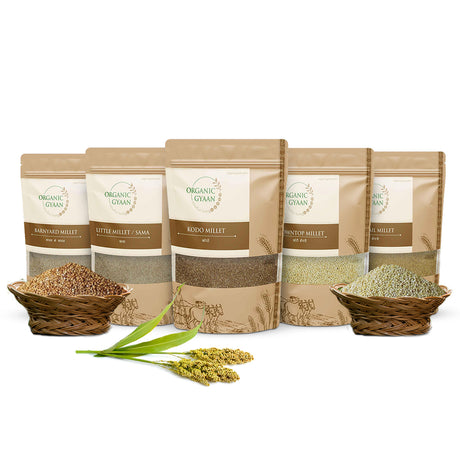
Siridhanya millets (foxtail, barnyard, kodo, little, browntop) have a naturally low glycemic index, preventing sharp spikes and crashes that precede insulin reactions.
Keep glucose tablets, fruit juice, or hard candies with you at all times - at work, while travelling, and by your bedside at night.
Alcohol suppresses the liver's glucose release. Never drink on an empty stomach if you are on insulin or blood sugar–lowering medication.
Daily use of Ayurvedic herbs like Jamun, Karela, and Giloy supports steadier glucose metabolism - reducing the extremes that lead to insulin reactions over time.
Conclusion
An insulin reaction is one of the most common - and most preventable - emergencies in diabetes care. By learning to recognize the early symptoms (shakiness, sweating, dizziness, rapid heartbeat) and acting quickly with the 15-15 Rule, you can manage most episodes safely at home.
But reactive treatment is only half the picture. The other half is building a lifestyle that keeps blood sugar stable enough to prevent insulin reactions before they start. A low-glycemic diet built around millets and whole foods, consistent meal timing, smart exercise habits, and the daily support of Ayurvedic herbs like Jamun, Karela, and Giloy - this combination creates the kind of metabolic resilience that makes insulin reactions far less likely.
At Organic Gyaan, every product is crafted with this philosophy in mind: 100% organic, grounded in centuries of Ayurvedic wisdom, and backed by modern nutritional research. Your journey to balanced blood sugar and a life free from the fear of insulin reactions starts with the choices you make today.