
What if your morning shower was silently changing your blood sugar - and you had no idea?
For most people, a shower is just a shower. You turn on the tap, wash up, get on with your day. But for the millions of Indians living with diabetes, that same shower - especially a hot one - can cause something surprising: a noticeable shift in blood sugar levels, sometimes up, sometimes down, sometimes dramatically.
This is one of the most talked-about yet least understood topics in the diabetes community. People who wear continuous glucose monitors (CGM) often notice it first - their numbers climbing or falling during or right after a bath or shower, even when they have not eaten anything different.
So what is actually happening? Does hot water affect blood sugar in a real, measurable way? And if it does, what should people with diabetes actually do about it?
In this blog, we are going to answer all of that - clearly, simply, and with the science to back it up.
By the end, you will understand:
- Why showers and baths affect blood sugar levels in people with diabetes
- Whether hot water raises or lowers blood sugar - and why both can happen
- What cold showers do differently
- Practical tips to manage your blood sugar before, during, and after bathing
- Natural foods and herbs from Organic Gyaan that support stable blood sugar every day
First - Can a Shower Really Change Blood Sugar?
Yes. It really can.
Hot water in showers and baths can affect blood sugar levels. Some people report blood sugar spikes during and afterward, while others may experience lower levels and even hypoglycemia.
There is no clear reason why people have differing experiences with hot or steamy water, whether it is a few-minute-long shower or bath, or a longer soak in a steamy, relaxing environment.
This is what makes it so confusing. Two different people with diabetes can take the same hot shower at the same time of day and experience completely opposite effects on their blood sugar. One person's readings go up. The other person's go down. Both responses are real, both are explained by science, and both matter.
Let us break down exactly why this happens.
Why Hot Showers and Baths Affect Blood Sugar
1. The Heat-Vasodilation Effect
The main reason heat affects blood sugar is due to vasodilation. When your body is exposed to heat, your nervous system signals the blood vessels near the surface of your skin to expand. This is your body's natural way of trying to cool down and keep your internal temperature stable.
This widening of blood vessels - vasodilation - increases blood flow throughout the body, including to muscles. And muscles are one of the primary places where glucose gets used. A hot bath can act almost like light exercise. It does not burn calories the same way movement does, but it increases circulation, which may help muscle cells pull more glucose from the bloodstream. That is why some people with diabetes notice a small downward shift in blood sugar after stepping out of the tub.
This is one reason some people see their blood sugar go down after a hot shower or bath.
2. The Stress Hormone Effect
But here is the other side of the coin - and this is why some people see their blood sugar go up.
Both research and anecdotal reports - especially from people with type 1 diabetes who wear continuous glucose monitors - suggest a temporary rise in blood sugar during or immediately after a hot bath or shower. This is sometimes referred to as a "false high." This may be a result of stress hormones being released in response to the heat, including adrenaline and cortisol. This response in your body can counteract insulin and cause the liver to release stored glucose, leading to higher blood sugars.
In other words, when your body feels the sudden heat of a hot shower, it can interpret that as a mild physical stress - and respond by releasing stress hormones that push blood sugar up. This is the same mechanism that happens during illness, emotional stress, or any sudden physical challenge.
During a hot bath, body temperature will rise as do growth hormone, adrenaline, glucagon, and cortisol. All of these hormones can contribute to temporarily elevated blood sugar readings.
3. The CGM Sensor Effect
There is a third reason that people who wear continuous glucose monitors sometimes see blood sugar spikes during showers - and it is not an actual blood sugar change at all.
For those wearing CGM sensors, some research also suggests that the interstitial fluid under the skin that the sensor uses to monitor glucose levels may flow more loosely because of the heat, and that can cause blood sugar spikes. This means the reading on the device may look higher than your actual blood sugar because of changes in the fluid the sensor is reading - not because your glucose has truly changed.
This is called a "false high" - and it is one reason why doctors advise not making dosing decisions based on CGM readings alone during or immediately after a hot shower.
What the Research Says
The most cited study, published in The New England Journal of Medicine, found that repeated hot baths lowered fasting glucose in a small group of people with type 2 diabetes. The proposed mechanism was increased blood flow and mild metabolic stimulation.
Research presented at the Annual Meeting of the European Association for the Study of Diabetes (EASD) suggests regular heat exposure through a hot bath is associated with a beneficial effect on risk factors for type 2 diabetes, including glycated haemoglobin (HbA1c), a measure of blood sugar control.
So regular hot baths, over time, may actually have a mild long-term benefit for blood sugar management. But this is different from what can happen in any single shower - which, as we have seen, can go either way.
The research does suggest that heat has measurable effects on circulation, stress hormones, and insulin sensitivity. But daily living, not therapy, remains the best framework for thinking about baths and showers.
Hot Showers and Insulin Absorption - A Critical Point
If you use insulin, this is especially important to understand.
Insulin is injected into the fatty tissue just beneath the surface of the skin. Typically, this insulin is absorbed into the bloodstream at a steady pace, but when your blood vessels widen due to heat, blood flow to the skin increases.
This heat-induced vasodilation can actually increase the risk of low blood sugar. If you take a hot bath or shower shortly after taking insulin, that insulin may peak sooner and more aggressively than normal. This can lead to an unexpected drop in your blood sugar levels.
If you use insulin, the temperature change can enhance absorption. Insulin injected into warm tissue can be absorbed faster. Faster absorption means a quicker drop, which may catch you off guard if you are not expecting it. This effect becomes more noticeable with hotter water or when you shower soon after injecting insulin.
Anyone using an insulin pump may be especially prone to this. If your pump site is in an area directly exposed to hot water, the increased blood flow can cause a surge of active insulin to enter your system.
The practical takeaway: if you use insulin, try not to take a very hot bath or shower immediately after your injection. Wait at least an hour, or shower before your insulin dose. Discuss this with your doctor to find what works best for you.
What About Cold Showers?
Cold showers work differently - and also have an effect on blood sugar.
Some people may benefit from cold showers as a way to help their blood move through their body more quickly. These include people with poor circulation, high blood pressure, and diabetes.
In healthy volunteers jumping into the cold Baltic Sea, researchers found a mild initial elevation of serum glucose after the shock of the cold water was felt. They attributed this to the stress effects since cortisol was also increased.
So cold water - especially if it is a sudden shock - can also trigger a brief stress response that pushes blood sugar up slightly. However, cold showers improve circulation, reduce inflammation, and can support metabolic health over time when done consistently.
For most people with diabetes, a warm (not extremely hot) shower is generally the most comfortable and manageable option. Extreme temperatures in either direction can cause unexpected blood sugar shifts.
7 Practical Tips for Managing Blood Sugar Around Bathing
Now that you understand what showers and baths affect blood sugar in people with diabetes, here are practical, simple strategies you can use every day:
Tip 1 - Avoid very hot showers right after insulin injections
If you have recently injected insulin, wait at least 45 minutes to an hour before taking a hot shower or bath. This reduces the risk of insulin absorbing too quickly and causing an unexpected low blood sugar.
Tip 2 - Check your blood sugar before and after a shower or bath
This is especially useful if you are new to monitoring how your body responds to heat. Checking before and 30 minutes after will help you understand your personal pattern - whether you tend to go up or down after hot water exposure.
Tip 3 - Do not make dosing decisions based on CGM readings during a hot shower
If you wear a CGM and notice your readings climbing during a shower, do not immediately correct with insulin. Wait until you are out of the shower and dry for 15–20 minutes, then recheck. The reading may normalise on its own - it could be a heat-related false high.
Tip 4 - Keep some fast-acting glucose nearby when bathing
If you are prone to low blood sugar episodes, keep glucose tablets or a small juice nearby when you take hot baths. Heat can unexpectedly accelerate insulin and drop your blood sugar. Having something to hand gives you immediate protection.
Tip 5 - Keep shower water comfortably warm, not scalding hot
The hotter the water, the stronger the vasodilation and hormone response. A warm, comfortable shower gives you most of the relaxation benefits with far less blood sugar disruption. Extremely hot water is simply not necessary - and for diabetics, it carries more risk.
Tip 6 - Be extra careful with feet in hot water
This applies to foot soaks in particular. Soaking in hot water with diabetes could cause you to burn your skin. After soaking your feet in a bath, your skin will contain increased moisture. If parts of your body, especially the feet, are not dried properly, this could cause a fungal infection to occur. Always test water temperature with your elbow or a thermometer - never with your feet directly, since diabetic nerve damage can reduce your ability to feel heat accurately.
Tip 7 - Time your bath or shower thoughtfully
A warm bath in the evening, a few hours after your last insulin dose and meal, is generally the safest and most relaxing option. Hot morning showers immediately after waking, when cortisol is naturally already higher, may compound the stress hormone effect and push blood sugar up more noticeably.
Foods That Help Keep Blood Sugar Stable - All Day, Every Day
Managing blood sugar is not just about bathing habits. It is about what you put in your body every single day. These are the best blood-sugar-stabilising foods that pair beautifully with a diabetes-conscious lifestyle:
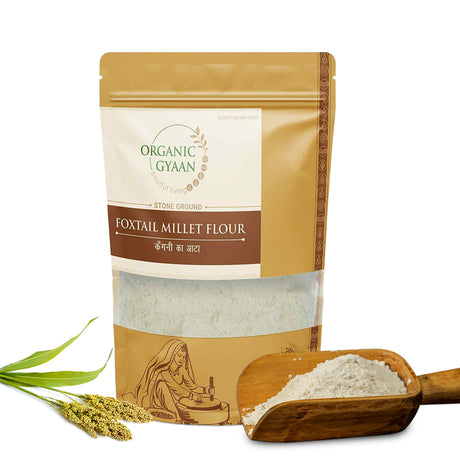
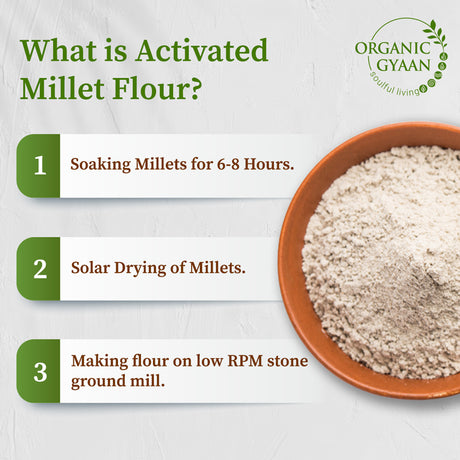
1. Siridhanya Millets - Foxtail Millet, Kodo Millet, Little Millet, Barnyard Millet, and Browntop Millet are India's most powerful blood sugar-balancing grains. Their very low glycemic index means they release sugar slowly into the blood, keeping levels stable for hours after eating.
2. Methi (Fenugreek) Seeds - Rich in soluble fibre, methi slows glucose absorption from the digestive tract. Soaking a teaspoon overnight and having it on an empty stomach every morning is one of the simplest blood sugar-stabilising habits available.
3. Amla (Indian Gooseberry) - One of nature's richest sources of Vitamin C and antioxidants, Amla supports insulin sensitivity and metabolic function. A teaspoon of Amla powder in warm water daily is a deeply nourishing habit.
4. Flaxseeds - Rich in Omega-3 fatty acids and soluble fibre, flaxseeds slow digestion and help flatten post-meal blood sugar spikes. Add a tablespoon of ground flaxseeds to your morning porridge every day.
5. Turmeric and Cinnamon - Both have anti-inflammatory and blood sugar-regulating properties that work gently and consistently when used daily. A pinch of turmeric in your dal and a sprinkle of Ceylon cinnamon in your oats or porridge are simple, powerful habits.
Natural Herbs That Support Blood Sugar Every Day
These Ayurvedic herbs, used consistently alongside a healthy diet and lifestyle, provide daily, natural support for keeping blood sugar stable - which means your body is better equipped to handle the small fluctuations caused by things like hot showers, stress, and other everyday variables:
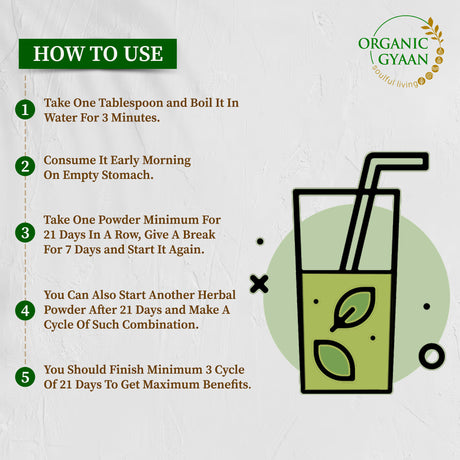
1. Jamun Seed Powder - Contains jamboline and ellagic acid, natural compounds with proven blood sugar-regulating activity. Take one teaspoon in warm water on an empty stomach every morning.
2. Karela (Bitter Gourd) Powder - Contains natural insulin-like compounds that help the body process blood sugar more effectively. Regular use supports steady glucose levels throughout the day.
3. Neem Powder - Supports the body's natural insulin response, improves insulin balance gently, and has powerful blood-purifying and anti-inflammatory properties. Neem helps keep your sugar levels more stable when used regularly alongside clean eating and daily walking.
4. Giloy Powder - A deeply anti-inflammatory Ayurvedic herb. Since chronic inflammation worsens insulin resistance and blood sugar instability, managing it with natural herbs like Giloy makes a meaningful difference over time.
5. Moringa Powder - Rich in Vitamins C and A, antioxidants, and blood sugar-supporting compounds. Studies have shown that Moringa can help lower fasting blood sugar levels with regular use.
A Simple Daily Routine for Stable Blood Sugar
| Time | Habit |
|---|---|
| Morning (empty stomach) | Ayurvedic herb (Jamun / Karela / Neem / Giloy / Moringa) in warm water |
| Breakfast | Millet porridge with flaxseeds + small spoon of A2 Bilona Ghee |
| After breakfast | 15–20 minute walk to reduce post-meal blood sugar spike |
| Shower / Bath | Warm water, not scalding hot. Not immediately after insulin injection. |
| Lunch | Millets + dal + green vegetables + pinch of turmeric |
| Evening | Handful of walnuts or almonds |
| Dinner | Light meal with millets or daliya + cooked vegetables |
| Before bed | Check blood sugar. 7–8 hours of sleep. |
Small, right choices every day create the stable blood sugar foundation that makes your body more resilient to all the little variables - including showers and baths affecting blood sugar - that are simply part of daily life.
Key Takeaways
Here is everything we covered, brought together simply:
- Hot showers and baths do affect blood sugar in people with diabetes - both up and down, depending on the individual, the water temperature, and the timing
- Heat causes vasodilation, which increases circulation and can help muscle cells use more glucose - this is why some people see blood sugar go down after a hot shower
- Heat also triggers stress hormones like cortisol and adrenaline, which can push blood sugar up - this is why others see it rise
- For CGM users, a "false high" during a shower may be caused by heat affecting the interstitial fluid under the sensor - not an actual blood sugar change
- If you use insulin, avoid hot showers immediately after injecting - heat accelerates insulin absorption and can cause an unexpected blood sugar drop
- Keep shower water comfortably warm, not scalding. Always dry feet thoroughly. Do not make dosing decisions during a shower based on CGM alone
- Check your blood sugar before and after bathing to understand your personal response pattern
- Stable daily blood sugar - through millets, Ayurvedic herbs, regular exercise, and good sleep - gives your body the resilience to handle these everyday fluctuations with ease
Take Charge of Your Blood Sugar - Naturally
Understanding that showers and baths affect blood sugar is just one piece of a bigger picture. The real goal is building a daily routine so solid that small variables like bath temperature do not throw your blood sugar off dramatically.
That starts with the right food, the right herbs, and consistent daily habits - all of which makes easier with certified organic Siridhanya millets, Ayurvedic blood sugar herbs, A2 Bilona Ghee, and the complete Diabetes Wellness Bundle.