
Mexican food has a reputation for being heavy, carb-loaded, and off-limits for people with diabetes. But here is the truth that most people do not know: some of the most naturally diabetes-friendly ingredients in the world are staples of traditional Mexican cooking. Black beans. Avocado. Fresh tomato salsa. Chilli peppers. Lime. Coriander. These are not just flavourful - they are genuinely good for blood sugar.
The problem is not Mexican cuisine itself. The problem is how it is often served - with large portions of white rice, flour tortillas, refined chips, and sugary drinks. Strip away those high-carbohydrate additions, build your plate around the vegetables, legumes, healthy fats, and bold spices that are at the heart of authentic Mexican cooking, and you have some of the most satisfying and blood-sugar-friendly food available.
Diabetic Mexican recipes are not about deprivation. They are about smart swaps. And if you cook at home, you have total control over every ingredient - which means you can enjoy the full flavour of Mexican cuisine while keeping your blood sugar exactly where it needs to be.
In this blog, you will find 6 delicious, 100% vegetarian diabetic Mexican recipes - all low in refined carbohydrates, high in fibre and plant protein, and built around ingredients that genuinely support blood sugar management. We will also explore what makes Mexican food for diabetics work (and what to avoid), and how Ayurvedic herbal products complement every meal with natural blood sugar support.
What Makes Mexican Food Diabetes-Friendly or Not?
Before the recipes, a quick guide to the heroes and the villains of Mexican food for diabetics - because understanding this helps you make smart choices both at home and when eating out.
The Blood-Sugar-Friendly Heroes of Mexican Cuisine
1. Black beans and legumes
Black beans are among the most blood-sugar-friendly foods you can eat. They may improve blood sugar management and reduce the risk of developing certain chronic diseases, such as heart disease. Their combination of plant protein, soluble fibre, and resistant starch slows glucose absorption and keeps blood sugar more stable after meals.
2. Avocado and guacamole
Avocado is rich in monounsaturated fats and fibre - both of which reduce the glycaemic impact of a meal and improve satiety. Ask for guacamole on the side to add flavour without too many extra calories. It is one of the best Mexican foods for diabetics in every setting.
3. Fresh tomato salsa and pico de gallo
Fresh salsa is essentially a fibre-rich vegetable condiment with virtually zero carbohydrate impact. Tomatoes, lime, coriander, and capsicum - all low-GI, all anti-inflammatory.
4. Non-starchy vegetables
Capsicum, zucchini, lettuce, cauliflower, tomatoes, cucumbers, and leafy greens are all naturally diabetes-friendly ingredients that appear throughout Mexican cooking.
5. Corn tortillas over flour
Ask for whole wheat or corn tortillas instead of ones made with refined flour. Corn tortillas have fewer carbohydrates, more fibre, and a lower glycaemic impact than flour tortillas.
6. Spices
Cumin, coriander, chilli, smoked paprika, oregano - traditional Mexican spices are anti-inflammatory and add bold flavour without adding sugar or refined carbohydrates.
What to Limit or Avoid
1. White rice
High-GI, rapidly absorbed glucose. Replace with cauliflower rice, millet rice, or simply skip it and fill that plate space with vegetables.
2. Flour tortillas
High in refined carbohydrates. Swap for corn tortillas, lettuce wraps, or millet-flour tortillas.
3. Refried beans (lard-fried)
The beans themselves are healthy - it is the lard they are typically fried in that adds saturated fat. Make your own using a little olive oil instead.
4. Fried chips
Deep-fried refined corn chips cause significant blood sugar spikes. If you want the crunch, try baked corn tortilla strips in very small portions.
5. Sugary drinks
Avoid high-sugar sauces and drinks like horchata. Stick with water, sparkling water with lime, or unsweetened herbal drinks.
6 Vegetarian Diabetic Mexican Recipes
Recipe 1: Black Bean and Avocado Taco Bowl (No Tortilla)
This is the quintessential diabetic Mexican recipe - all the flavour of tacos, none of the refined flour.
Why it is blood-sugar friendly: Black beans provide soluble fibre and plant protein that slow glucose absorption. Avocado adds monounsaturated fat that reduces the meal's overall glycaemic impact. The bowl format eliminates the tortilla carbohydrate load entirely.
Ingredients (serves 2):
- 1 cup cooked black beans (or canned, rinsed well)
- 1 ripe avocado, diced
- 1 cup cherry tomatoes, halved
- 1 cup corn kernels (from 1 small cob, lightly grilled)
- ½ cup diced capsicum (red and yellow)
- Juice of 1 lime
- 1 tsp cumin powder
- ½ tsp smoked paprika
- Fresh coriander leaves
- Salt to taste
- 2 cups shredded lettuce or spinach as the base
Method:
- In a bowl, combine black beans, tomatoes, capsicum, and corn.
- Add cumin, smoked paprika, lime juice, and salt. Toss well.
- Place shredded lettuce or spinach in serving bowls.
- Top with the bean mixture and diced avocado.
- Garnish generously with fresh coriander. Serve immediately.
Blood sugar tip: Eat the greens and avocado first before the beans - fibre first reduces the glycaemic impact of the starchy bean carbohydrates that follow.
Recipe 2: Mexican-Spiced Lentil Soup (Sopa de Lentejas)
Soup is one of the best Mexican foods for diabetics because the liquid slows glucose absorption and the high vegetable content adds fibre at every spoonful.
Why it is blood-sugar friendly: Lentils are one of the lowest-GI legumes available, packed with fibre and plant protein. Red capsicum is rich in Vitamin C - supporting immune function in diabetes. The Mexican spice blend adds anti-inflammatory benefit without adding carbohydrates.
Ingredients (serves 3–4):
- 1 cup red lentils, rinsed
- 2 cups diced tomatoes (fresh or canned, no added sugar)
- 1 cup red and green capsicum, diced
- 1 cup zucchini, diced
- 1 tsp cumin seeds
- 1 tsp smoked paprika
- ½ tsp dried oregano
- ½ tsp coriander powder
- 1 tsp Turmeric Powder
- 1 tbsp cold-pressed olive oil or coconut oil
- Juice of 1 lime
- Fresh coriander to garnish
- Salt to taste
- 4 cups water
Method:
- Heat oil in a deep pot. Add cumin seeds. Sauté 30 seconds.
- Add capsicum and zucchini. Cook 3 minutes.
- Add tomatoes, paprika, oregano, coriander powder, and turmeric. Cook 3 more minutes.
- Add lentils and water. Bring to boil, then simmer for 20 to 25 minutes until lentils are completely soft.
- Adjust salt. Finish with lime juice.
- Serve with a swirl of plain yoghurt and fresh coriander.
Adding Turmeric Powder transforms this soup into an anti-inflammatory, blood-sugar-supporting meal that addresses the systemic inflammation driving insulin resistance.
Recipe 3: Cauliflower Rice Burrito Bowl
This is perhaps the most popular diabetic Mexican recipe swap of the decade - cauliflower rice replaces white rice completely, cutting carbohydrates dramatically while adding Vitamin C, fibre, and anti-inflammatory compounds.
Why it is blood-sugar friendly: Cauliflower rice burrito bowls with black beans, grilled veggies, and a dollop of plain Greek yoghurt are among the best low-carb Mexican options. The combination of cauliflower, black beans, avocado, and fresh salsa covers fibre, healthy fat, plant protein, and Vitamins A, C, and K in a single bowl.
Ingredients (serves 2):
- 2 cups cauliflower, grated into rice-sized pieces
- ½ cup cooked black beans
- ½ cup fresh tomato salsa (tomatoes, lime, fresh coriander, salt)
- ½ avocado, sliced
- ½ cup grilled capsicum and zucchini
- 2 tbsp plain yoghurt or low-fat paneer, crumbled
- 1 tsp cumin powder
- ½ tsp smoked paprika
- 1 tsp olive oil
- Salt and lime juice
Method:
- Heat olive oil in a pan. Add cauliflower rice with cumin, paprika, and salt.
- Cook for 5 to 7 minutes until cauliflower is cooked but not mushy.
- Build bowls: cauliflower rice as the base, then black beans, grilled vegetables, and fresh salsa.
- Top with sliced avocado, a spoon of plain yoghurt, and fresh coriander.
- Finish with a squeeze of lime.
Recipe 4: Mexican Black Bean and Vegetable Soup with Millet Tortillas
A hearty, warming soup that is as satisfying as any traditional Mexican meal - built on the most diabetes-friendly ingredients available, served with millet-flour tortillas that replace refined flour entirely.
Why it is blood-sugar friendly: Black beans provide resistant starch and soluble fibre. The millet tortilla replaces the flour tortilla with a low-GI, high-fibre whole grain alternative. Together, this is one of the most complete Mexican food for diabetics combinations for a main meal.
Ingredients for Soup (serves 3):
- 1½ cups cooked black beans
- 1 cup tomatoes, roughly chopped
- 1 cup capsicum, diced
- ½ cup corn (from 1 small cob)
- 1 tsp cumin
- ½ tsp smoked paprika
- ½ tsp dried chilli flakes (optional)
- 1 tsp Turmeric Powder
- Fresh coriander and lime to finish
- 3 cups water or vegetable broth
- 1 tsp olive oil
For Millet Tortillas (makes 4–6):
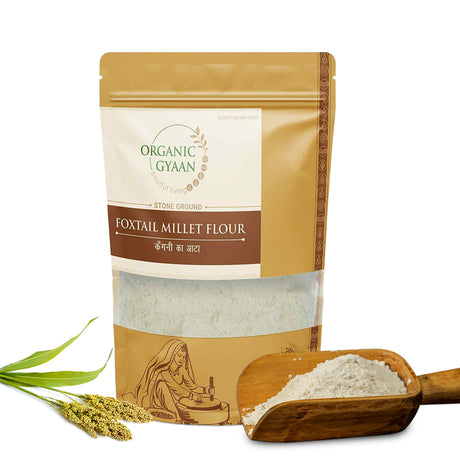
- 1 cup foxtail or barnyard millet flour
- Warm water to knead
- Pinch of salt
- ½ tsp cumin powder
Method (Soup):
- Heat oil. Add cumin and cook 30 seconds.
- Add capsicum and tomatoes. Cook 3 minutes.
- Add paprika, chilli, turmeric, beans, corn, and water/broth.
- Simmer 15 to 20 minutes. Finish with lime juice and fresh coriander.
Method (Millet Tortillas):
- Mix millet flour with salt and cumin. Add warm water gradually and knead into a soft dough.
- Divide into small balls. Roll thin.
- Cook on a hot dry tawa for 1 to 2 minutes per side.
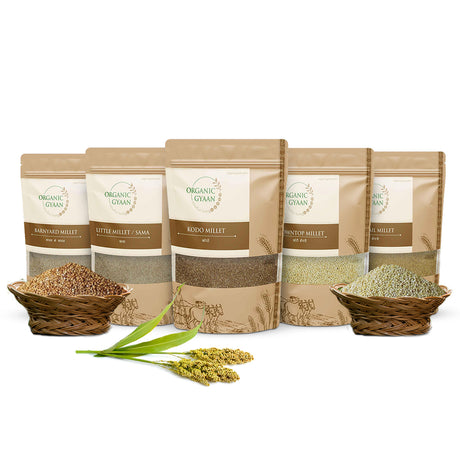
Plant-based meals are great for blood sugar management, especially when they centre on whole grains and diabetic-friendly carbs. Siridhanya Millets are the ideal whole grain for diabetic Mexican recipes requiring a tortilla or bread substitute.
Recipe 5: Mexican Guacamole with Baked Millet Crisps
Guacamole is one of the best Mexican foods for diabetics - avocado's monounsaturated fat and fibre make it extraordinarily blood-sugar-friendly. The problem has always been the deep-fried corn chips it is served with. These baked millet crisps solve that problem entirely.
Why it is blood-sugar friendly: Avocado lowers the glycaemic impact of everything eaten alongside it. Lime juice and tomatoes add Vitamin C. The baked millet crisps replace fried chips with a low-GI, fibre-rich alternative that adds crunch without the blood sugar spike.
Ingredients for Guacamole:
- 2 ripe avocados
- Juice of 1 large lime
- 1 medium tomato, finely diced (seeds removed)
- ½ cup fresh coriander, finely chopped
- ½ tsp cumin powder
- Salt and black pepper to taste
- 1 green chilli, finely chopped (optional)
For Baked Millet Crisps:
- 1 cup kodo or foxtail millet flour
- 2 tbsp water
- ½ tsp cumin
- ½ tsp smoked paprika
- Pinch of salt
- 1 tsp olive oil
Method (Guacamole):
- Mash avocado to your preferred texture.
- Mix in lime juice, tomato, coriander, cumin, salt, pepper, and chilli.
- Cover and refrigerate until ready to serve. Eat within 2 hours.
Method (Millet Crisps):
- Preheat oven to 180°C.
- Mix millet flour with water, oil, and spices. Form a soft dough.
- Roll very thin on baking paper. Score into triangles.
- Bake 15 to 20 minutes until golden and crisp.
- Cool completely before serving with guacamole.
Recipe 6: Zucchini and Black Bean Mexican Stew with Cinnamon
This warming, aromatic stew brings together two powerhouse ingredients - zucchini and black beans - with a cinnamon-forward spice blend that makes it distinctly Mexican in character while also incorporating one of the most documented blood-sugar-supporting spices available.
Why it is blood-sugar friendly: Cinnamon has documented insulin-sensitising properties — research consistently shows it improves insulin receptor activity and reduces fasting blood glucose. Combined with black beans' fibre-protein combination and zucchini's low carbohydrate density, this is a genuinely therapeutic diabetic Mexican recipe.
Ingredients (serves 2–3):
- 1 cup cooked black beans
- 2 medium zucchinis, diced
- 1 cup tomatoes, diced
- ½ cup capsicum, diced
- ½ tsp Cinnamon Powder
- 1 tsp cumin
- ½ tsp smoked paprika
- ½ tsp dried chilli flakes
- 1 tsp Turmeric Powder
- 1 tsp olive oil
- Fresh coriander and lime juice
- Salt to taste
Method:
- Heat oil in a pan. Add cumin - sauté 30 seconds.
- Add capsicum and tomatoes. Cook 4 minutes.
- Add zucchini, paprika, chilli, turmeric, and cinnamon. Cook 3 more minutes.
- Add black beans and ½ cup water. Simmer 10 minutes until zucchini is tender.
- Finish with lime juice, salt, and fresh coriander.
- Serve with a small portion of millet rice or corn tortillas.
Cinnamon Powder turns this ordinary stew into a blood-sugar-targeted meal. Adding Turmeric Powder doubles the anti-inflammatory benefit.
Tips for Making Any Mexican Meal More Diabetes-Friendly
1. Swap white rice for millet rice: Foxtail or kodo millet cooked like rice creates a genuinely satisfying, low-GI base that replaces white rice in any Mexican food for diabetics meal without sacrificing texture or flavour.
2. Build your plate fibre-first: Start every Mexican meal with a salad, fresh salsa, or guacamole before the heavier components. Fibre eaten first slows the glucose absorption of everything that follows.
3. Use corn tortillas, not flour: Choose corn tortillas instead of flour tortillas to increase fibre intake, which can help mitigate blood sugar spikes.
4. Choose black beans over refried beans: Black beans are significantly less processed and contain more resistant starch and fibre than traditional lard-fried refried beans.
5. Add Ayurvedic spices freely: Cumin, coriander, turmeric, cinnamon, and ginger are all traditional cooking spices that simultaneously add authentic flavour and active blood sugar support.
Ayurvedic Herbal Support - The Perfect Complement to Your Diabetic Mexican Recipes
Every meal is more effective when paired with the right daily Ayurvedic habits.
1. Karela Powder (Bitter Gourd)
Half a teaspoon in warm water every morning before breakfast. Karela's natural insulin-sensitising compounds reduce fasting blood sugar and improve cellular insulin response - the metabolic foundation your recipes build on.
2. Jamun Seed Powder
Stir into warm water each morning. Slows post-meal glucose absorption - so every meal, including your Mexican-inspired bowls and soups, produces a gentler blood sugar curve.
3. Fenugreek Seeds (Methi)
Soak overnight, drink in the morning. Soluble fibre that reduces post-meal glucose peaks and supports HbA1c reduction over time.
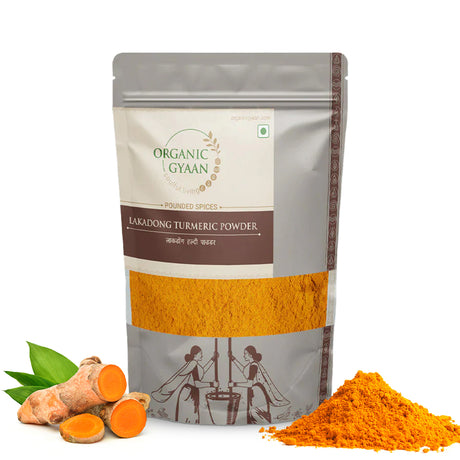
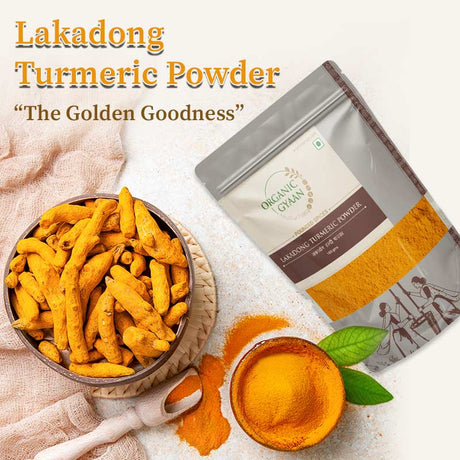
4. Turmeric Powder (Haldi)
Use liberally in cooking and in warm milk before bed. Anti-inflammatory protection that addresses the insulin resistance underlying all blood sugar management challenges.
5. Cinnamon Powder (Dalchini)
Add to Mexican stews, morning tea, or warm water. Insulin-sensitising properties that complement every low-carb, high-fibre Mexican meal you make.
6. Giloy Powder
Daily anti-inflammatory and immunomodulatory support that reduces the systemic inflammation driving insulin resistance.
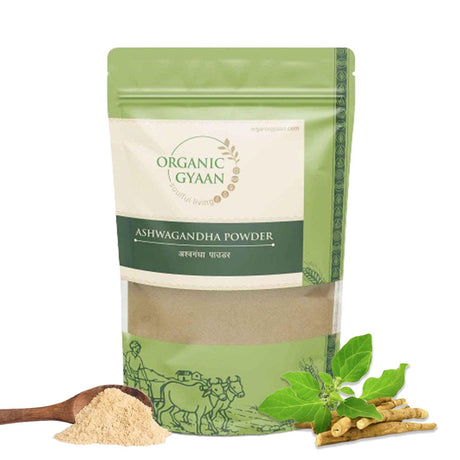
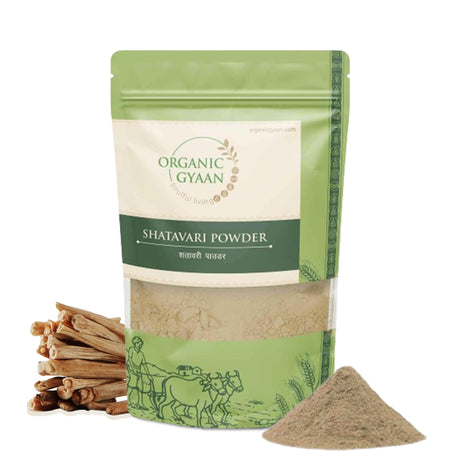
7. Ashwagandha Powder
Cortisol reduction, sleep improvement, and insulin sensitivity support - addressing the stress-blood sugar connection that diet alone cannot reach.
8. Siridhanya Millets - The ideal white rice and flour tortilla replacement for all your diabetic Mexican recipes.
Conclusion
The idea that Mexican food for diabetics is impossible is simply not true. By ramping up healthy fats, lean proteins and fibre that help stabilize blood sugar, Mexican recipes give heart health a boost too. The flavours of Mexico - lime, cumin, coriander, chilli, avocado, black beans - are not just delicious. They are genuinely blood-sugar-friendly when prepared thoughtfully.
The best Mexican food for diabetics is built on what traditional Mexican cooking always centred on before modern portions and processing got involved: fresh vegetables, wholesome legumes, healthy fats from avocado, fibre from beans, and bold spices from the earth.
Cook these diabetic Mexican recipes at home. Use Siridhanya Millets to replace white rice and flour tortillas. Add Turmeric and Cinnamon to your spice-building. Start every morning with Karela water and Fenugreek seeds. And enjoy every bite knowing that your plate is working for your blood sugar - not against it.