जर तुम्हाला तुमच्या उशीवर, केसांच्या ब्रशवर किंवा शॉवर ड्रेनवर जास्त केस दिसले असतील - आणि तुम्हाला मधुमेह असेल तर - तुम्ही कदाचित विचार करत असाल:
"माझ्या मधुमेहामुळे माझे केस गळतात का?"
तुम्ही एकटे नाही आहात. मधुमेह असलेल्या अनेक लोकांना केस पातळ होतात किंवा केसांची वाढ मंदावते. चांगली बातमी अशी आहे की एकदा तुम्हाला त्यामागील कारण समजले की, ते नैसर्गिकरित्या व्यवस्थापित करण्यासाठी तुम्ही काही पावले उचलू शकता.
मधुमेहामुळे केस का गळतात?
केस गळणे हे फक्त तुमच्या डोक्यात काय चालले आहे याबद्दल नसते. ते बहुतेकदा तुमच्या शरीरात काय चालले आहे याचे संकेत असते. मधुमेहामुळे केस गळणे कसे होऊ शकते ते पाहूया.
१. केसांच्या मुळांना रक्तपुरवठा कमी होणे
कालांतराने रक्तातील साखरेचे प्रमाण वाढल्याने तुमच्या शरीरातील लहान रक्तवाहिन्यांना नुकसान होऊ शकते. या रक्तवाहिन्या तुमच्या केसांच्या मुळांना (ज्याला केसांचे कूप म्हणतात) ऑक्सिजन आणि पोषक तत्वे पुरवतात.
जेव्हा रक्तप्रवाह कमकुवत होतो तेव्हा केसांच्या मुळांना निरोगी राहण्यासाठी आवश्यक असलेले रक्त मिळत नाही. यामुळे केसांची वाढ मंदावते किंवा तुमचे केस जलद गळू शकतात.
२. हार्मोनल बदल
मधुमेह इन्सुलिनच्या पातळीवर परिणाम करतो, परंतु त्याचा थायरॉईड आणि हार्मोन्ससारख्या इतर संप्रेरकांवरही परिणाम होतो.
जेव्हा तुमचे हार्मोन्स संतुलित नसतात तेव्हा तुमचे केसांचे वाढीचे चक्र विस्कळीत होते. जास्त केस गळतात आणि कमी केस परत वाढतात.
३. शरीरावर ताण
मधुमेहासोबत जगणे मानसिक आणि शारीरिकदृष्ट्या तणावपूर्ण असू शकते. जेव्हा शरीर तणावाखाली असते तेव्हा टेलोजेन एफ्लुव्हियम नावाचा केस गळण्याचा एक प्रकार होऊ शकतो. असे घडते जेव्हा अचानक खूप केस गळतात.
रक्तातील साखरेचे प्रमाण वाढणे, आजारपण, झोपेचा अभाव किंवा भावनिक ताण यासारख्या गोष्टींमुळे केस गळती होऊ शकते.
४. ऑटोइम्यून केस गळणे (टाइप १ मधुमेहात)
टाइप १ मधुमेह हा एक स्वयंप्रतिकार रोग आहे. याचा अर्थ तुमची रोगप्रतिकारक शक्ती तुमच्या स्वतःच्या शरीरावर हल्ला करते.
टाइप १ मधुमेह असलेल्या लोकांना अॅलोपेसिया एरियाटा सारख्या इतर ऑटोइम्यून समस्या होण्याची शक्यता जास्त असते, ज्यामुळे रोगप्रतिकारक शक्ती केसांच्या मुळांवर हल्ला करते तेव्हा टक्कल पडते.
५. पोषक तत्वांचा अभाव
मधुमेह असलेल्या लोकांना कधीकधी औषधे, खराब पचन किंवा मूत्रपिंडाच्या समस्यांमुळे पोषक तत्वे योग्यरित्या शोषली जात नाहीत.
जर तुमच्या शरीरात लोह, जस्त, व्हिटॅमिन डी किंवा बायोटिन सारख्या पोषक तत्वांची कमतरता असेल तर ते तुमचे केस कमकुवत करू शकते आणि त्यांची वाढ मंदावू शकते.
६. केसांची हळूहळू वाढ
जरी सामान्य कारणांमुळे तुमचे केस गळत असले तरी, मधुमेहामुळे ते पुन्हा वाढण्याची गती कमी होऊ शकते.
कारण तुमच्या पेशींना ग्लुकोज योग्यरित्या मिळत नाही किंवा वापरत नाही आणि केसांच्या पेशींना वाढण्यासाठी (ग्लुकोजपासून) ऊर्जा लागते.
मधुमेहामुळे केस गळण्याची लक्षणे
- तुमच्या संपूर्ण डोक्यावरील केस पातळ होणे
- तुमच्या ब्रशमध्ये किंवा आंघोळ करताना जास्त केस येणे
- टक्कल पडणे (जर ऑटोइम्यून समस्यांमुळे झाले असेल तर)
- केसांची वाढ पूर्वीपेक्षा हळू होते.
- शरीराच्या इतर भागांवर जसे की हात किंवा पायांवर केस गळणे.
जर तुम्हाला यापैकी कोणतीही लक्षणे दिसली तर तुमच्या डॉक्टरांशी बोलणे आणि तुमच्या मधुमेह काळजी योजनेचा आढावा घेणे चांगले.
मधुमेहामुळे केस गळती कशी व्यवस्थापित करावी
चांगली बातमी अशी आहे की: योग्य काळजी घेतल्यास, मधुमेहामुळे होणारे केस गळणे कमी होऊ शकते. कसे ते येथे आहे:
१. तुमच्या रक्तातील साखरेचे प्रमाण नियंत्रित करा
हे सर्वात महत्वाचे पाऊल आहे. केसांच्या समस्यांसाठी रक्तातील साखरेचे प्रमाण वाढणे हे एक मुख्य कारण आहे.
तुमच्या उपचार योजनेला चिकटून राहा, तुमच्या साखरेची पातळी नियमितपणे तपासा आणि निरोगी अन्न निवडी करा.
२. पौष्टिक आहार घ्या
तुमच्या केसांना निरोगी राहण्यासाठी जीवनसत्त्वे, खनिजे आणि प्रथिने आवश्यक आहेत. यामध्ये खालील पदार्थांचा समावेश करा:
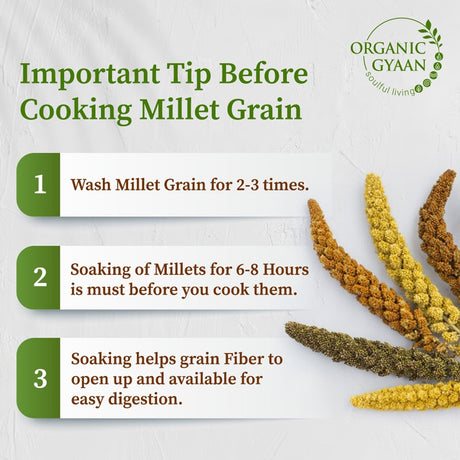
- बाजरी
- पालेभाज्या
- A2 गिर गाय तूप
- बदाम आणि अक्रोड
- पांढऱ्या साखरेऐवजी खजूर गूळ पावडर
- अळशी आणि चिया बियाणे
हे पदार्थ साखरेचे प्रमाण नियंत्रित करण्यास मदत करतात आणि तुमच्या केसांना आवश्यक असलेले पोषक तत्व देखील देतात.
३. तुमचा ताण कमी करा
ताण तुमच्या हार्मोन्स आणि साखरेच्या पातळीवर परिणाम करतो - आणि त्याचा तुमच्या केसांवरही परिणाम होऊ शकतो.
दररोज आराम करण्याचा प्रयत्न करा:
- ध्यान
- योग
- श्वास घेण्याचे व्यायाम
- अश्वगंधा सारखे हर्बल टी
- चांगली झोप (दररोज रात्री ७-८ तास)
४. केसांसाठी नैसर्गिक तेलांचा वापर करा
तुमच्या टाळूला मालिश करा:
- थंड दाबलेले खोबरेल तेल
- आवळा किंवा भृंगराज सारखी हर्बल तेल
- अगदी थोड्या प्रमाणात A2 तूप देखील
हे रक्तप्रवाह सुधारण्यास आणि तुमचे केस मजबूत ठेवण्यास मदत करतात.
५. हर्बल सप्लिमेंट्स (डॉक्टरांच्या सल्ल्याने)
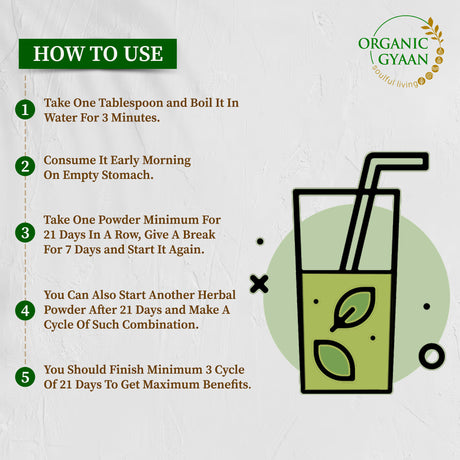
जर तुमच्या शरीरात पोषक तत्वांची कमतरता असेल तर नैसर्गिक औषधी वनस्पती मदत करू शकतात. प्रयत्न करा:
- त्रिफळा पावडर - पचन आणि विषारी पदार्थांपासून मुक्त होण्यास मदत करते
- मोरिन गा पावडर - लोह आणि जीवनसत्त्वांनी समृद्ध
- ब्राह्मी पावडर - ताण आणि रक्तप्रवाहासाठी चांगले
कोणतेही पूरक आहार सुरू करण्यापूर्वी नेहमी तुमच्या डॉक्टरांना विचारा.
डॉक्टरांना कधी भेटायचे
तुम्ही डॉक्टरांशी बोलले पाहिजे जर:
- केस गळणे अचानक किंवा जास्त होते.
- तुम्हाला टक्कल पडलेले ठिपके दिसतात
- केस फक्त डोक्यावरूनच नाही तर शरीरावरूनही गायब होतात.
- तुम्हाला थकवा जाणवतो, वजन कमी होते किंवा इतर असामान्य लक्षणे दिसतात
रक्त तपासणीमुळे हार्मोन असंतुलन किंवा कमी पोषक तत्वांसारखी दुसरी समस्या आहे का हे शोधण्यास मदत होऊ शकते.
निष्कर्ष
मधुमेहासोबत केस गळणे हा एक त्रासदायक आणि निराशाजनक भाग असू शकतो, परंतु चांगली बातमी अशी आहे की - ते कायमचे नसते. हो, मधुमेहामुळे केस गळू शकतात, परंतु एकदा तुम्हाला त्यामागील कारणे समजली की, तुम्ही ते व्यवस्थापित करण्यासाठी सोपी पावले उचलू शकता.
तुमच्या रक्तातील साखरेचे प्रमाण नियंत्रणात ठेवून, पौष्टिक अन्न खाऊन, ताण कमी करून आणि नैसर्गिक उपायांचा वापर करून, तुम्ही तुमच्या शरीराला आधार देऊ शकता आणि कालांतराने तुमचे केस निरोगी आणि मजबूत होण्यास मदत करू शकता.
लक्षात ठेवा, तुमच्या केसांचे आरोग्य तुमच्या एकूण आरोग्याचे प्रतिबिंब आहे. योग्य काळजी घेतल्यास, तुमच्या रक्तातील साखरेचे प्रमाण आणि तुमचे केस दोन्ही संतुलित राहू शकतात.