
Nobody warns you about this part.
When you were first diagnosed with diabetes, you figured out a routine. You watched what you ate. You took your tablets. You checked your blood sugar. And for a while, it mostly worked.
Then, somewhere around your 50s, things started to feel a little different. Your blood sugar started behaving strangely. A medication that worked perfectly for years suddenly seemed to be causing problems. Your energy dropped. Your body was sending you signals you did not quite understand.
Here is the truth that not enough people talk about: Type 2 diabetes after 50 is not the same condition it was at 35 or 40. Your body changes as you get older - your muscles, kidneys, heart, hormones, and even your brain all go through shifts - and every one of these changes affects how diabetes behaves and how you need to manage it.
That does not mean things have to get worse. It just means you need to know what is changing - and why. So let's go through the 7 most important ways Type 2 diabetes after 50 changes, in plain, simple language, so you can stay ahead of it instead of being caught off guard.
Change #1: You Are More Likely to Get Low Blood Sugar - And It Is Harder to Feel It Coming
Most people assume that diabetes means blood sugar goes up. And yes - that is usually the concern. But here is something that often surprises people after 50: your risk of blood sugar going too low actually increases.
Why? Two main reasons.
First, your kidneys are not quite as efficient as they used to be. And your kidneys are responsible for clearing diabetes medication out of your body. When they slow down, medicines stay in your body longer than they should. That can cause them to lower your blood sugar too much - even if you have been taking the same dose for years.
Second, and this one is really important - the warning signs of low blood sugar become quieter as you get older. When you were younger, a low blood sugar episode would bring on shakiness, sweating, and a racing heart pretty quickly. After 50, those signals can become very subtle. You might feel a little off but not realise your blood sugar has already dropped to a dangerous level.
This matters especially if you are taking more than a few medications at once, skipping meals sometimes, or if your kidneys have started showing any signs of strain.
What you can do: Tell your doctor if your lows are happening more often, or if you are not feeling them the way you used to. Your medicine dose might need to come down. Always keep something sweet nearby - a few glucose tablets, a small juice box, a piece of jaggery. And always check your blood sugar before driving or doing any physical activity.
Change #2: The Blood Sugar Target That Was Right Before May Not Be Right Now
Here is something many people do not realise: the HbA1c number your doctor told you to aim for five or ten years ago might not be the right target for you today.
For younger, healthier adults, doctors often aim for an HbA1c below 7%. That is a tight target. But for people over 50 - especially those with kidney issues, memory changes, or other health conditions - chasing that number too hard can actually cause more harm than good. It increases the risk of dangerous low blood sugar episodes that become harder to manage with age.
Guidelines from the American Diabetes Association now say that targets for older adults should be personalised. If you are fit and active with no major complications, keeping tight control still makes sense. But if you are dealing with other health issues or feel that your current target is making you feel unwell, a slightly more relaxed goal - like an HbA1c of around 8% - may actually be safer for you.
What you can do: Have an open, honest chat with your doctor about whether your current targets still make sense for your age and health. There is nothing wrong with adjusting the goal. In fact, it shows wisdom - not failure.
Change #3: Your Muscles Are Getting Smaller - And That Makes Blood Sugar Harder to Control
After the age of 50, most people lose about 1–2% of their muscle every year. It happens quietly, gradually, and most people do not notice it until it starts affecting how they feel and move.
But here is why it matters so much for diabetes: your muscles are one of the main places your body stores sugar after a meal. Think of your muscles as a big glucose reservoir. The bigger the reservoir, the more easily your body can absorb and store blood sugar. When that reservoir shrinks, blood sugar has fewer places to go - and it starts building up in the bloodstream instead.
This means your blood sugar can start creeping up even if you have not changed your diet or your medication at all. It is not because you are doing anything wrong. It is simply because the muscle tissue that used to absorb that sugar is not there in the same quantity anymore.
What you can do: The best thing you can do to slow this down is to use your muscles regularly. Simple strength exercises - bodyweight squats, wall push-ups, light weights, resistance bands - even just 20 minutes a couple of times a week, help preserve muscle and improve your body's response to blood sugar.
Eat enough protein from plant sources - dal, moong, rajma, chickpeas, paneer. And consider Ashwagandha research shows it helps support muscle strength and reduces muscle breakdown, particularly in older adults.
Change #4: Your Heart Needs Extra Attention Now
Diabetes has always increased the risk of heart disease. But after 50, this risk becomes much more significant - and much more urgent.
Here is why. For decades, high blood sugar has been silently stressing the walls of your blood vessels - making them stiffer, narrower, and more prone to blockages. After 50, this process has had much longer to accumulate. Blood pressure also tends to rise with age. Cholesterol levels shift. All of these things together create a much higher chance of a heart attack or stroke compared to someone who is younger.
One thing that particularly affects women over 50: the heart disease symptoms can look very different from the classic "chest pain" most people know about. Women with diabetes after menopause are more likely to experience tiredness, jaw ache, nausea, or upper back pain as signs of a heart problem - and these are easy to dismiss as something minor.
What you can do: Get your blood pressure and cholesterol checked every time you see your doctor for diabetes. Know your numbers. If something feels off - unusual fatigue, shortness of breath, or discomfort anywhere in your upper body - do not wait and see. Tell your doctor the same day. Adding Turmeric and Giloy to your daily routine helps fight the inflammation that quietly damages blood vessels over time.
Change #5: Your Kidneys Are Under More Pressure
Your kidneys do an enormous amount of work every day - filtering your blood, removing waste, and processing the medications you take. And as you get older, they naturally slow down a little. Add diabetes to the mix - which puts its own strain on the kidneys - and after 50 this combination becomes something that genuinely needs watching.
The practical impact of this? Some medications that were perfectly safe for you at 40 may need to be adjusted at 60. One very common diabetes medicine - Metformin - needs to be reduced or stopped when kidney function drops below a certain level. Other medicines can stay in your body longer than intended, which - as we talked about in Change #1 - increases the risk of blood sugar going too low.
None of this means your kidneys are failing. It just means they need regular check-ups and a little more care.
What you can do: Ask your doctor for a kidney function test - specifically an eGFR blood test and a urine test for albumin - at least once a year, more often if there are any signs of trouble. The earlier any changes are caught, the easier they are to manage. Karela powder and Jamun seed powder help keep blood sugar stable day to day - which directly reduces the glucose-driven strain on the kidneys.
Change #6: For Women Menopause Makes Diabetes More Complicated
If you are a woman with Type 2 diabetes after 50, there is a very real and very underappreciated challenge that hits around this time: menopause.
When oestrogen levels drop during menopause, several things happen that make diabetes harder to manage. Fat starts to move toward the belly - and belly fat is the most metabolically harmful type, directly worsening insulin resistance. Cholesterol levels change - LDL goes up, HDL goes down. Sleep becomes disrupted. Mood swings and hot flushes add a layer of daily stress that can push blood sugar up unpredictably.
On top of all that, the hormonal rollercoaster of perimenopause can make blood sugar patterns very erratic for a few years - some days running high, some running low, without any obvious reason.
This is not something many women are told to expect. And when it happens, it can be confusing and demoralising, especially when you feel like you are doing everything right but the numbers still will not cooperate.
What you can do: Start tracking not just your blood sugar but also your sleep, stress levels, and where you are in your cycle - this information is gold when you talk to your doctor. Shatavari is Ayurveda's most important herb for supporting women through hormonal transitions. Ashwagandha supports sleep and stress. Together, they address two of the biggest hidden factors driving blood sugar instability in women over 50.
Change #7: Your Memory and Focus Can Be Affected - And That Makes Management Harder
This is the change that is perhaps the most sensitive to talk about - but also the most important to acknowledge.
Long-term high blood sugar causes gradual damage to the small blood vessels in the brain. Over many years, this can show up as occasional memory lapses, difficulty concentrating, slower thinking, or trouble keeping track of things. These changes are subtle at first and easy to attribute to "just getting older" - but research shows that people with diabetes experience cognitive decline faster than those without.
And here is the cruel irony: managing diabetes well requires a lot of mental work. Remembering tablets. Timing meals. Counting portions. Checking blood sugar. Calculating doses. When your brain is not functioning at its sharpest, all of this becomes harder - and mistakes become more likely.
This is exactly why keeping things simple becomes so important as you get older. The fewer complicated steps in your daily diabetes routine, the better.
What you can do: Use a pill organiser so you never have to remember whether you took your tablets. Set phone alarms for medication times. Keep your glucose meter somewhere visible. If you feel your memory or focus is declining, mention it to your doctor - it deserves attention, not dismissal. Giloy and Ashwagandha both have properties that support brain health and protect against the inflammation that drives cognitive decline in people with long-term diabetes.
How Organic Gyaan's Ayurvedic Products Support You After 50
Each of the seven changes we have talked about has a natural Ayurvedic herb that can help.
1. Karela Powder (Bitter Gourd) Works like nature's own blood sugar helper - its natural compounds help your cells absorb glucose more effectively, so blood sugar stays more stable throughout the day. Half a teaspoon in warm water every morning before breakfast is all it takes.
2. Jamun Seed Powder Slows down the rush of sugar into your bloodstream after meals - which means gentler, more manageable blood sugar curves after every meal. It also supports kidney health - important for everyone over 50 with diabetes. Stir into warm water each morning.
3. Fenugreek Seeds (Methi) Contains a natural fibre that slows down how fast sugar from your food enters your blood. It has also been shown to lower HbA1c over time and support healthy cholesterol levels. Soak overnight and take first thing in the morning.
4. Giloy Powder One of Ayurveda's most powerful anti-inflammatory herbs. Reduces the inflammation that drives heart damage, worsening insulin resistance, and brain fog - all three of which become more relevant after 50. A truly comprehensive herb for older adults with diabetes.
5. Ashwagandha Powder Does several things at once - reduces stress hormones that raise blood sugar, supports muscle strength, improves sleep quality, and helps protect the brain. If there is one herb that addresses the widest range of changes that come with Type 2 diabetes after 50, Ashwagandha is it.
6. Turmeric Powder (Haldi) The curcumin in turmeric is one of the best natural anti-inflammatories available. It protects blood vessels, kidney tissue, and brain cells from the slow damage that decades of diabetes can cause. A pinch in warm milk at night - every single day - is a simple but genuinely protective habit.
7. Neem Powder Helps your body respond better to insulin, supports blood purification, and boosts immune defence - all of which matter more after 50, when immune function naturally starts to slow down.
8. Shatavari Powder For women going through menopause, Shatavari is one of Ayurveda's most valued herbs. It supports the hormonal transition, helps with hot flushes and sleep disruption, and addresses the belly fat and insulin resistance changes that menopause brings.
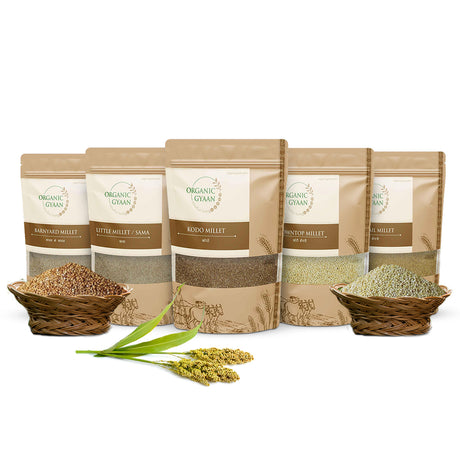
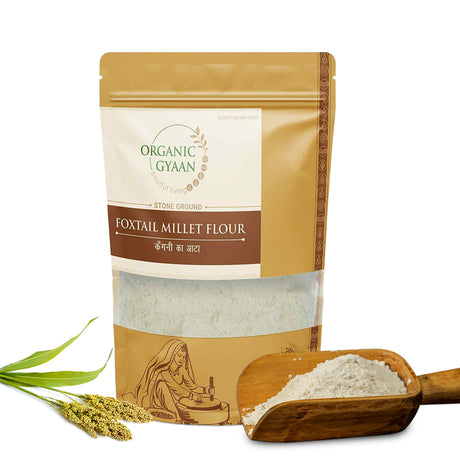
9. Siridhanya Millets (Positive Millets) These are grains - foxtail, barnyard, little, kodo, and browntop millet - that release sugar slowly into your bloodstream. Swap out white rice or maida for these and your post-meal blood sugar stays dramatically more stable. This is not a supplement. This is a daily food choice that makes a genuine, lasting difference.
Just a gentle reminder: These herbs support your body alongside your prescribed medicines - they are not a replacement. Always talk to your doctor before adding any new supplement to your routine, especially if you are on diabetes medication, as some herbs do affect blood sugar.
Conclusion
Getting older with Type 2 diabetes is not a downward slide - it is a transition that asks you to pay closer attention, adjust your approach, and take better care of yourself than ever before.
The seven changes we have talked about are all real. Low blood sugar becomes more of a risk. Targets need revisiting. Muscles shrink. Heart risk grows. Kidneys need more care. Menopause adds complexity. Memory needs protecting.
But here is what matters most: none of these changes are unstoppable. Each one can be managed, slowed, or supported with the right knowledge and the right daily habits.
Work with your doctor to adjust your plan as your body changes. Keep moving. Eat foods that are gentle on your blood sugar - millets instead of white rice, dal and vegetables instead of refined snacks. Manage your stress. Sleep well. And support your body with the natural Ayurvedic herbs that have been used for centuries to support exactly the kind of metabolic health you need after 50.
Your best years are not behind you. They are ahead - and managing your diabetes wisely is how you make sure of that.