Sucralose, a popular artificial sweetener, is often used as a sugar substitute. But does it really impact blood sugar levels in diabetics? Here's what research reveals and how you can use it effectively.
Understanding Sucralose: A Brief Overview
Sucralose is a zero-calorie artificial sweetener derived from sugar through a chemical process that replaces certain hydroxyl groups with chlorine, rendering it about 600 times sweeter than sugar. Known for its ability to retain sweetness without calories, it is often found in sugar-free and low-calorie products like baked goods, beverages, and dairy products. Despite its widespread usage, questions about its impact on health, especially in diabetics, persist due to varying individual responses and scientific findings.
Historical & Cultural Context of Sweeteners in India
In India, traditional sweeteners like jaggery and honey have been used for centuries, revered not just for their taste but also for their health benefits as per Ayurveda. The entry of artificial sweeteners like sucralose into the Indian market reflects global dietary shifts towards low-calorie consumption. India's rich culinary history often favors natural ingredients, rooting its practices in holistic wellness and sustainability, emphasizing moderation and balance. Traditional Indian festivals like Diwali and Holi, which celebrate with sweets, have gradually included recipes using sweetener substitutes, allowing those with dietary restrictions to partake in celebrations unhampered.
Ayurvedic Perspective on Sweetness
Ayurveda classifies foods based on their taste (rasa) and effects on the doshas (Vata, Pitta, Kapha). The sweet taste is said to pacify Vata and Pitta but can aggravate Kapha if consumed excessively. Natural sweetness derived from fruits, grains, and traditional sweeteners is believed to nourish and strengthen, whereas artificial sweeteners are not typically recommended due to their processed nature. However, for those managing conditions like diabetes, a balance between traditional wisdom and modern health guidelines is crucial to maintaining health and lifestyle satisfaction.
Scientific Insights: Sucralose and Blood Sugar Levels
Research has shown that sucralose does not significantly impact blood glucose or insulin levels, making it a safer alternative for diabetics compared to sugar. Nevertheless, individual responses can vary, with some studies suggesting that regular consumption might alter gut microbiota, potentially affecting glucose metabolism[NIN 2022]. A study by the Indian Council of Medical Research (ICMR) supports this, indicating safe consumption levels but recommending moderation to avoid unforeseeable effects over a prolonged period. Additionally, the role of a balanced diet incorporating fiber-rich foods and traditional grains is emphasized to support healthy digestion and metabolic health.
Myths vs. Facts: Clearing Misconceptions
- Myth 1: Sucralose causes weight gain.
- Myth 2: Sucralose is toxic to your body.
- Myth 3: Sucralose completely eradicates your food's nutritional value.
- Myth 4: Sucralose leads to sugar cravings.
- Myth 5: Sucralose affects nutrient absorption.
Fact: Sucralose, being calorie-free, does not contribute to weight gain when used in place of caloric sweeteners. It can be a part of a calorie-controlled diet plan that may help with weight maintenance or loss, particularly when combined with regular physical activity and a balanced diet.
Fact: Numerous safety studies, including those by global food safety authorities like the U.S. FDA and India's FSSAI, have declared sucralose safe for human consumption within recommended limits, refuting claims of toxicity. Over 100 studies have concluded its safety for all ages, including children and pregnant women.
Fact: Sucralose itself does not alter the nutritional content of foods but merely replaces sugar without calories. It allows diabetics to enjoy a range of tastes without compromising on dietary restrictions, often enhancing dietary adherence and satisfaction.
Fact: There is no conclusive evidence linking sucralose with increased sugar cravings. In fact, it helps reduce sugar consumption by offering a lower-calorie option without the addictive properties of sugar.
Fact: Sucralose does not interfere with nutrient absorption. It passes through the body unchanged, making it a suitable option for those needing to manage blood sugar levels while maintaining nutritional intake.
Practical Use Cases for Diabetics
- Weight Management: Sucralose can aid in reducing caloric intake, helpful for diabetics aiming to manage their weight. By replacing sugar, it allows for sweeter food without excess calories. This can be particularly beneficial during traditional festivities, allowing indulgence without guilt.
- Blood Sugar Control: It is broadly used for maintaining stable blood sugar levels without the spikes caused by sugar, promoting better glycemic control in diabetics. Incorporating sucralose into a diabetic-friendly diet ensures the enjoyment of sweetness without compromising blood glucose levels.
- Versatility in Recipes: Ideal for diabetics seeking sweetness in beverages and desserts without compromising health goals. It can be incorporated into traditional as well as modern recipes, offering flexibility and creativity.
- Everyday Use: From morning tea to evening snacks, sucralose can seamlessly replace sugar, offering a guilt-free sweetening option. With an increasing number of products incorporating sucralose, from canned juices to dairy, it is easily accessible for everyday use.
Engaging Anecdote: A Diabetic’s Success Story
Anita's Journey: Anita, a 45-year-old homemaker from Mumbai, was diagnosed with type 2 diabetes last year. Initially overwhelmed by dietary restrictions, she discovered sucralose as an alternative for her sweet cravings. By replacing sugar with sucralose in her beloved recipes, like homemade laddoos and masala chai, Anita managed to keep her blood sugar stable while indulging in her favorite foods. This empowered her to sustain her cultural food habits without adverse health impacts, demonstrating how strategic dietary adjustments can harmonize traditional practices with modern health necessities.
Recipes Incorporating Sucralose
Sucralose-Sweetened Coconut Ladoo
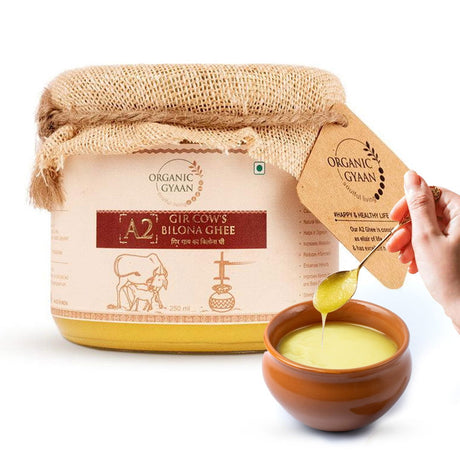
Embrace traditional Indian sweets without sugar. Combine desiccated coconut, a spoonful of Organic Gyaan’s A2 Ghee, and sucralose in moderation for a delightful treat.
- Grate 1 cup of desiccated coconut.
- Add 1 tablespoon of A2 Ghee in a pan over low heat, toast the coconut until lightly golden.
- Stir in sucralose as per taste, mix well, and form into small balls.
- Allow to cool before serving.
Sucralose-Infused Chai
Brew your regular chai with aromatic spices, replacing sugar with sucralose for a guilt-free indulgence. Ideal for a warm start to your day.
- Boil water with cardamom, ginger, and tea leaves.
- Add milk and simmer.
- Stir in sucralose until sweetened to your liking.
- Strain and serve hot.
Sucralose Fruit Salad
Indulge in a refreshing fruit salad sweetened with sucralose, offering a blend of natural and artificial sweetness that complements each other.
- Chop seasonal fruits like mango, banana, and pomegranate.
- Toss in a dash of sucralose to taste.
- Sprinkle with powdered cinnamon for an added twist.
- Chill before serving for a refreshing dessert or snack.
Sucralose in a Modern Indian Lifestyle
With the prevalence of diabetes on the rise in India, integrating sucralose into everyday dietary practices offers a practical solution for maintaining traditional tastes while ensuring health consciousness. Modern Indian diets increasingly focus on balancing taste with health, and sucralose allows seamless adaptation, making it a useful ally in the diabetic diet plan. The key is moderation and mindful consumption, aligning with traditional values of restraint and thoughtful living.
Additional Tips for Effective Use of Sucralose
- Check Labels: Always read product labels to identify the presence of sucralose and ensure no additional sugars are mixed.
- Combine with Natural Ingredients: Use sucralose alongside other natural flavors like cardamom, saffron, and vanilla to enhance the overall taste profile.
- Experiment in Cooking: Try sucralose in different cooking methods, such as baking or roasting, to discover new tastes and texture benefits.
- Monitor Body Response: Keep track of how your body responds to sucralose over time, noting any digestive changes or health concerns, and consult healthcare professionals as necessary.
Buying and Using Sucralose Safely
- Certification: Choose products with FSSAI approval, confirming safety standards. Look for brands that are transparent about their production processes and ingredient sources.
- Storage: Keep sucralose in a cool, dry place to maintain its potency. Ensure the container is airtight to prevent moisture infiltration, which can degrade quality.
- Usage Guidelines: Moderation is key. While safe, it’s best used sparingly, complementing natural flavors. Avoid over-dependence; instead, blend it with natural ingredients to balance sweetness and health.
Conclusion: Should Diabetics Use Sucralose?
Sucralose can be a helpful tool for managing diabetes, offering sweetness without the caloric burden of sugar. However, it’s important to use it judiciously, understanding your body's responses. Explore Organic Gyaan’s informative blogs to discover more on healthy sweetener alternatives and make informed dietary choices. Balancing tradition with modern nutrition science, diabetics can enjoy culinary pleasures responsibly, ensuring wellness and satisfaction.
FAQ
Is sucralose bad for diabetics?
No, sucralose is considered safe for diabetics as it does not significantly affect blood sugar levels. However, individual responses can vary. Always consult with a healthcare professional if unsure.
How does sucralose affect insulin response?
Sucralose typically does not alter insulin response in the majority of people, making it a popular choice among diabetics seeking sugar substitutes that do not compromise insulin sensitivity.
Can sucralose be used in cooking and baking?
Yes, sucralose is heat-stable and suitable for cooking and baking, allowing diabetics to enjoy sweet dishes without health concerns, thus opening avenues to merge culinary tradition with health priorities.