How to Use Moringa Powder
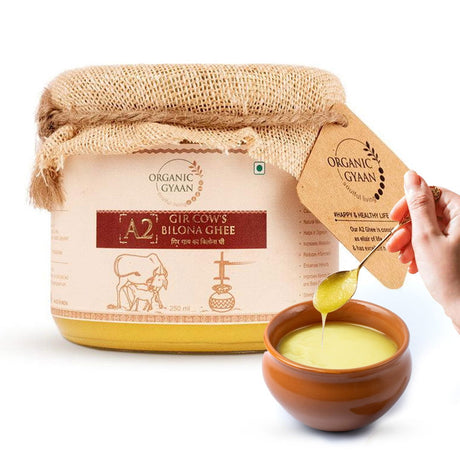
Use moringa powder like a daily “green add-on”: start with ¼–½ tsp, take it with a meal, and mix it into foods that are warm—not boiling. If you want a simple Indian pairing, add it to dal/khichdi and finish with a little A2 ghee so it sits better and supports absorption of fat‑soluble nutrients.
A) What is moringa powder?
Moringa powder is made by drying and grinding moringa leaves (Moringa oleifera). In Indian kitchens, it behaves like a concentrated leafy green—strong flavour, small dose. Treat it as a food, not a medicine, and build it into meals you already eat.
B) Moringa Powder Uses (practical ways)
- Dal/sambhar/kadhi: stir in after switching off the flame.
- Curd/chaas: mix with roasted jeera and rock salt.
- Roti dough: add a pinch to the flour for 3–4 rotis.
- Chutney: mix in just before serving.
- Warm water: optional if you prefer a drink; avoid boiling water.
C) How much moringa powder should you take?
A steady, food-like dose works better than a large one. Start low and increase only if your digestion feels comfortable.
- Week 1: ¼ tsp daily (or every other day if you’re sensitive).
- Week 2 onward: ½–1 tsp daily.
- Practical upper limit: many adults stay around 1–2 tsp/day unless a clinician advises otherwise.
D) Best time to take moringa powder
There’s no single “best” time. For most people, taking moringa with lunch or with breakfast is easiest on the stomach and easiest to remember.
- Morning: with curd, millet porridge, or chutney.
- Afternoon: mixed into dal/khichdi after cooking.
- Night: avoid if you notice it feels too stimulating for you.
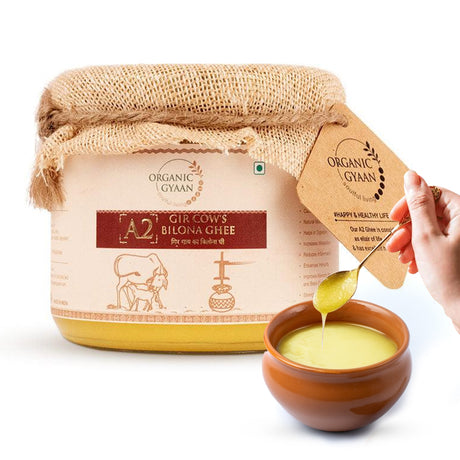
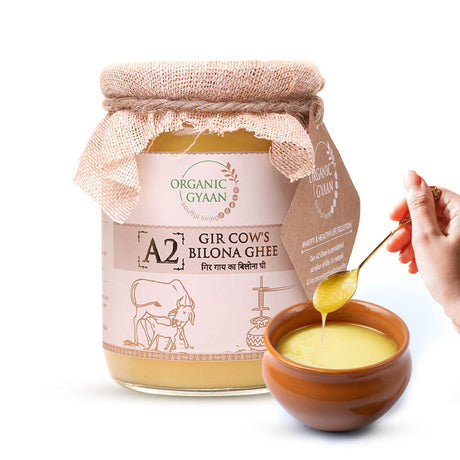
E) How to take moringa powder with A2 ghee (simple pairing)
Moringa leaves provide carotenoids and other plant compounds. Many carotenoids are better absorbed when eaten with some dietary fat.[NIH, 2022] In a sattvic routine, A2 ghee is a small, traditional way to add that fat without refined oils.
Try: mix ½ tsp moringa into a bowl of warm khichdi or dal-rice and add ½ tsp A2 ghee on top. Keep the food warm, not steaming hot, to preserve taste.
Read more: A2 Ghee
F) What does science say about moringa?
Nutrition density (Strong for “nutrient contribution”)
As a dried leaf powder, moringa can add micronutrients and phytochemicals to the diet—similar to how adding extra greens improves diet quality. Indian dietary guidance still prioritises variety (dal, grains, vegetables, fruit, dairy) over reliance on any single “superfood.”[ICMR-NIN, 2020]
Blood sugar markers (Moderate evidence)
Human studies suggest moringa leaf preparations may modestly improve blood sugar markers in some groups, but results are not consistent across trials. If you use diabetes medicines, combining them with glucose-lowering supplements can increase the risk of low blood sugar—so clinician guidance matters.[PubMed, 2020][NIDDK, 2023]
Cholesterol and heart-related markers (Emerging to Moderate evidence)
Some clinical research reports improvements in lipid markers (like total cholesterol or LDL) with moringa leaf intake, but study sizes are often small and the exact dose/form varies. Think of moringa as a supportive add-on alongside core habits: fibre from dals/sabzi, less ultra-processed food, and regular activity.[PubMed, 2021][WHO, 2020]
Antioxidants and inflammation (Moderate evidence)
Moringa contains polyphenols with antioxidant activity. Antioxidants are most meaningful when they come from an overall plant-rich diet (seasonal vegetables, fruits, legumes), not from one ingredient alone.[NIH, 2022]
Ayurveda perspective (Traditional use; complementary)
Ayurvedic tradition values leafy greens and balanced meals to support agni (digestive fire). If moringa feels too “dry” or bitter for your constitution, pairing it with warm food and a little ghee is a common kitchen adjustment. Use this as a complementary food practice—not as treatment.[AYUSH, 2016]
G) How to use moringa powder in real Indian life
For a working professional’s tiffin (no-fuss, repeatable)
If your lunch is a tiffin of 2 rotis + dal + sabzi, the simplest place is the dal. Keep a small jar at home, and stir ¼–½ tsp into the dal portion after cooking, right before packing. If you carry curd, moringa also mixes well into curd with roasted jeera—just pack it separately so it doesn’t turn watery.
During festival meals (Diwali/Navratri/pooja thali)
On festival days, meals often get heavier—more fried snacks, sweets, and late dinners. Instead of skipping moringa, keep it gentle: add a pinch to curd or a bowl of moong dal khichdi earlier in the day. It’s a small way to keep greens in the routine without fighting the festive menu.
For a budget-conscious kirana shopper
If you’re choosing between fancy mixes and basics, buy a small pack of plain moringa leaf powder with clear batch and date details (FSSAI licence on label). Use tiny amounts daily so it lasts. This approach keeps costs predictable and reduces waste from oxidised, old powder.[FSSAI, 2011]
Regional variations (so it fits your food)
- South: stir into sambhar after turning off the stove; mix into coconut chutney for idli.
- North: add to kadhi or moong dal; pinch into atta for rotis.
- West: mix into chaas; add to bajra/jowar bhakri dough in small quantity.
- East: add to simple dal and rice; mix into mustard-free (sattvic) coriander chutney.
Mini scenario (grounded, realistic)
Neha, a 32-year-old IT professional in Bengaluru, usually eats canteen lunch and feels she “never gets enough greens.” She starts carrying a small steel dabba with roasted jeera and a ½ tsp spoon, and adds ¼ tsp moringa into her curd at lunch three days a week. The first week, she notices the taste is strong if she adds too much, so she keeps it to a pinch and takes it with her meal instead of on an empty stomach. After two weeks, it becomes a routine she can maintain—no dramatic change, just a consistent way to add greens even on busy days.
H) Safety, side effects, and who should avoid it
Moringa leaf is commonly used as food, but concentrated powders can still cause stomach upset in some people. Stop and seek medical advice if you get allergy symptoms, persistent nausea, or diarrhoea.
- Pregnancy/breastfeeding: consult a clinician before use.
- Diabetes on medication: discuss first, as it may lower glucose further.[NIDDK, 2023]
- Kidney disease: check with your nephrologist/dietitian (minerals and restrictions vary).
- Thyroid conditions: consult if you are on thyroid medication.
- Children under 12: take paediatric guidance.
Supplement safety varies by product quality and labelling. Prefer brands with clear sourcing, testing, and compliant labels.[NHS, 2023][FSSAI, 2011]
I) Easy recipes & tips (sattvic, repeatable)
Tip 1: Dal finish-in (least bitterness, easiest habit)
Why it works: Dal masks moringa’s bitterness, and adding it after cooking reduces harsh taste.
Ingredients (1 serving): 1 bowl cooked moong/masoor dal, ¼–½ tsp moringa powder, ½ tsp A2 ghee, rock salt to taste.
- Cook your dal as usual (no onion/garlic/hing).
- Switch off the flame and let it rest 2–3 minutes.
- Stir in moringa powder until fully mixed.
- Add A2 ghee on top and eat warm.
One swap: No ghee? Use 1 tsp cold-pressed coconut oil (only if it suits you) or eat with a small bowl of curd.
Portion guidance: Start with ¼ tsp moringa per bowl; increase to ½ tsp if taste and digestion feel fine.
Tip 2: Jeera-moringa chaas (summer-friendly)
Why it works: Chaas is light; roasted jeera softens the “green” flavour and makes it more drinkable.
Ingredients (1 glass): 200 ml chaas, ¼ tsp moringa powder, ½ tsp roasted jeera powder, a pinch of rock salt.
- Whisk chaas until smooth.
- Add moringa, jeera, and rock salt.
- Whisk again to avoid clumps.
- Drink with lunch.
One swap: If you avoid dairy, mix the same quantities into thin coconut milk + water (taste will differ).
Portion guidance: Keep moringa at ¼ tsp per glass initially; too much can taste grassy.
Tip 3: Chutney boost (for idli/dosa/cheela)
Why it works: Chutney’s herbs and tang balance bitterness, so you can use a pinch daily.
Ingredients (2 servings): 4 tbsp coconut or coriander chutney, ¼ tsp moringa powder, 1 tsp lemon juice (optional).
- Keep chutney ready (fresh is best).
- Add moringa powder right before eating.
- Mix well; add lemon if you like a brighter taste.
- Serve with idli/dosa or millet cheela.
One swap: If you don’t have chutney, mix moringa into 2–3 tbsp curd as a dip.
Portion guidance: Use 2 tbsp chutney per person with a pinch of moringa; don’t exceed ¼ tsp per person in one sitting.
Tip 4: Atta pinch for rotis (family-friendly)
Why it works: Spreading a small amount across multiple rotis makes taste subtle and easy for the whole family.
Ingredients (for 4 rotis): 1.5 cups whole wheat atta (or jowar/bajra mix), ½ tsp moringa powder, water as needed, 1 tsp A2 ghee for serving.
- Mix atta and moringa powder evenly before adding water.
- Knead into a soft dough; rest 10 minutes.
- Roll and cook on tawa as usual.
- Finish with a small dab of A2 ghee on each roti.
One swap: For gluten-free, use jowar atta; keep moringa to ¼ tsp initially.
Portion guidance: With ½ tsp in the whole dough, each roti gives roughly ⅛ tsp—ideal for beginners.
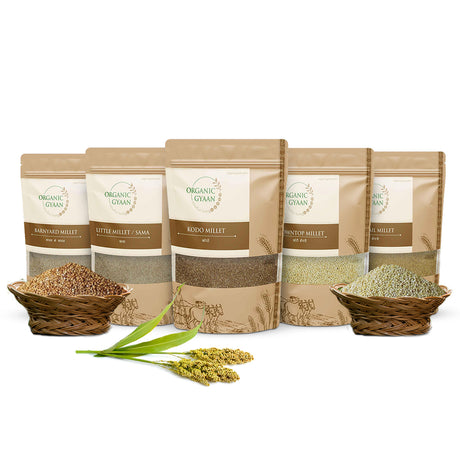
Want a balanced sattvic base for daily meals? Try our millets as a rotation with rice and wheat.
J) Key takeaways
- Start small: ¼–½ tsp daily is a practical beginner dose; increase only if digestion stays comfortable.
- Best use: mix into warm (not boiling) dal/khichdi/curd to reduce bitterness and make it repeatable.
- Pair with fat: carotenoids are better absorbed with dietary fat, so a little A2 ghee with meals is a useful pairing.[NIH, 2022]
- Evidence is supportive, not magical: research suggests potential benefits for glucose and lipids in some people, but results vary and it does not replace treatment.[PubMed, 2020][PubMed, 2021]
- Safety first: if pregnant/breastfeeding, on diabetes/BP medicines, or managing kidney/thyroid disease, consult a clinician before regular use.[NIDDK, 2023][NHS, 2023]
For more sattvic staples, explore cold-pressed oils for everyday cooking (alongside ghee).
K) Medical disclaimer
This content is for general education and does not replace medical advice. Consult a qualified clinician or registered dietitian if you are pregnant/breastfeeding, have a chronic condition, take regular medication, or are planning changes for a child.
L) Sources
[ICMR-NIN, 2020] ICMR–National Institute of Nutrition. Dietary Guidelines for Indians.
[FSSAI, 2011] Food Safety and Standards Act & relevant labelling/licensing regulations.
[NIDDK, 2023] National Institute of Diabetes and Digestive and Kidney Diseases. Diabetes medicines & hypoglycaemia guidance.
[NHS, 2023] National Health Service. Food supplements: safe use and cautions.
[NIH, 2022] National Institutes of Health. Fat-soluble nutrients and absorption basics.
[WHO, 2020] World Health Organization. Healthy diet and cardio-metabolic risk guidance.
[PubMed, 2020] PubMed-indexed systematic review/clinical trials on Moringa oleifera leaf and glycaemic outcomes.
[PubMed, 2021] PubMed-indexed clinical studies on Moringa oleifera leaf and lipid/oxidative stress markers.
[AYUSH, 2016] AYUSH resources on Ayurvedic dietary principles (complementary use).